Epithelantha

Epithelantha, featuring unique cacti like Epithelantha micromeris and Epithelantha bokei, is perfect for succulent enthusiasts. Thriving in well-draining Epithelantha soil, these hardy plants require minimal watering and full sunlight, making them ideal for dry conditions. Epithelantha propagation through seeds is straightforward, and their small, delicate flowers add charm to any collection. Buy Epithelantha cacti to enhance your garden or indoor decor with resilient, low-maintenance beauty.

Collection: Epithelantha

Discover the Charm of Epithelantha

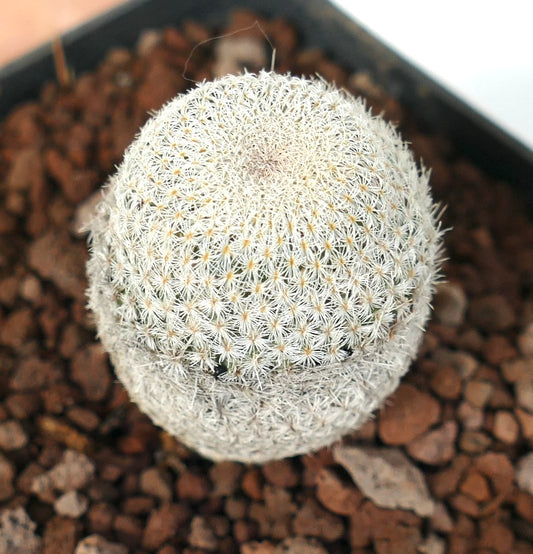
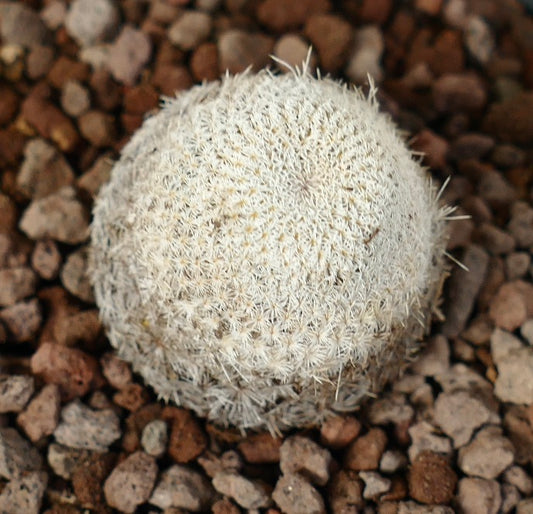
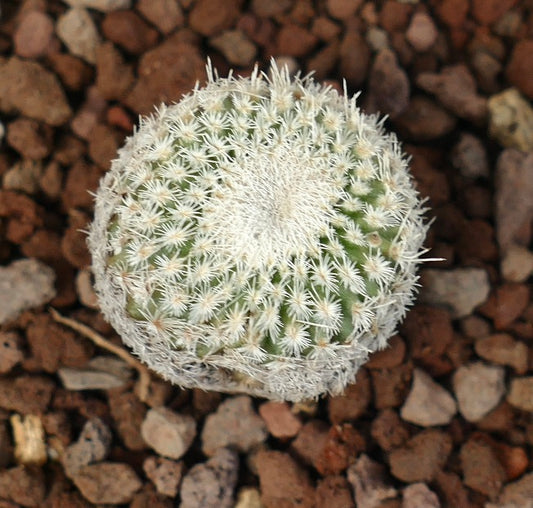
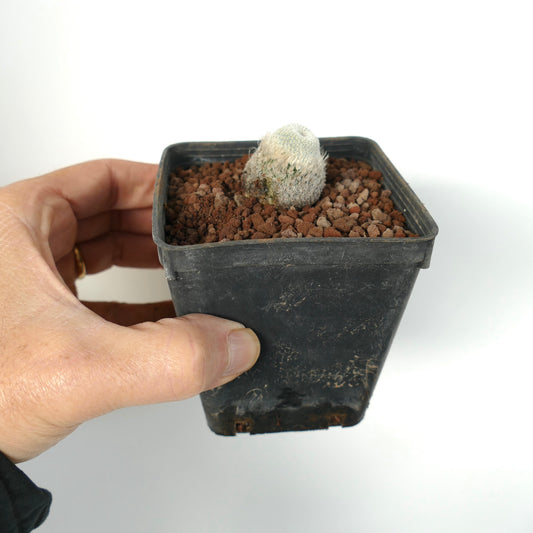
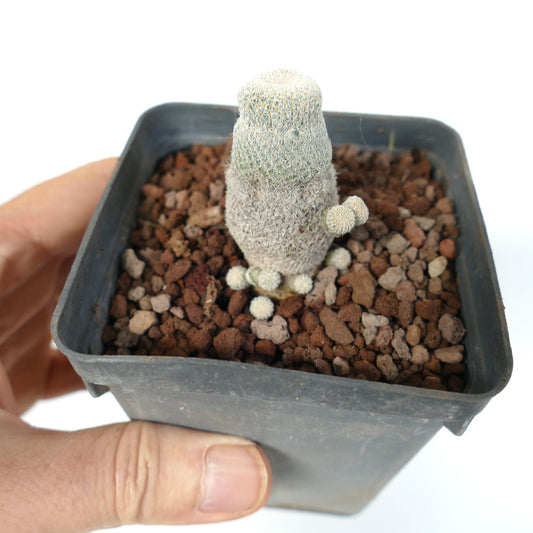
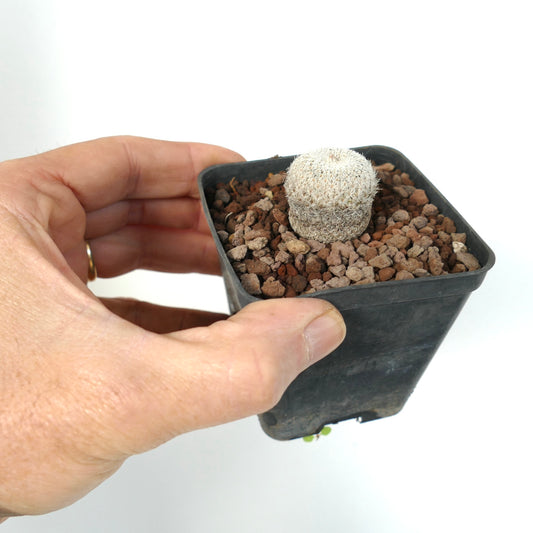
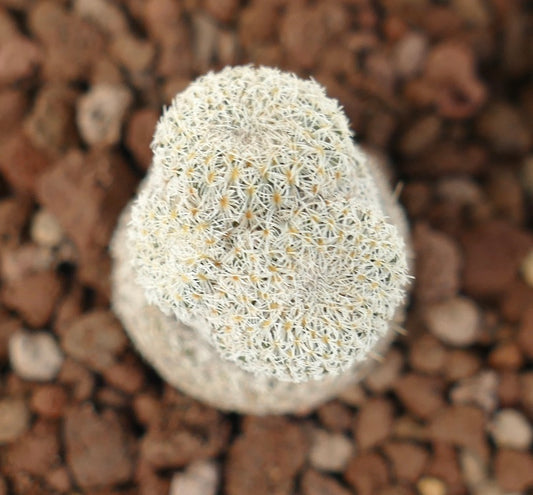
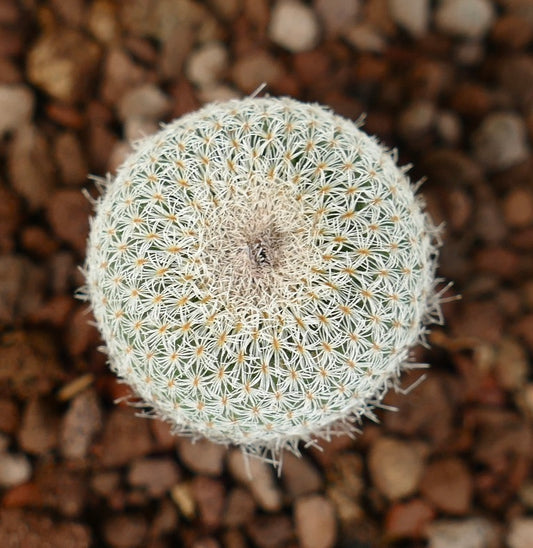
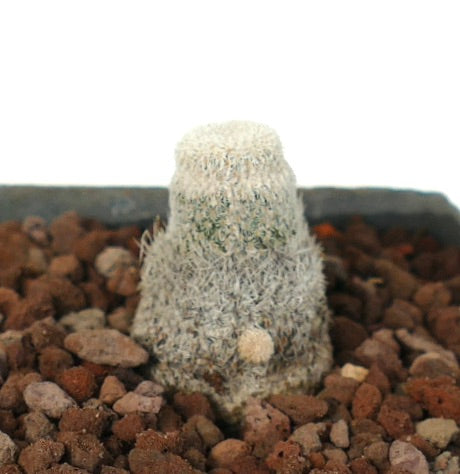
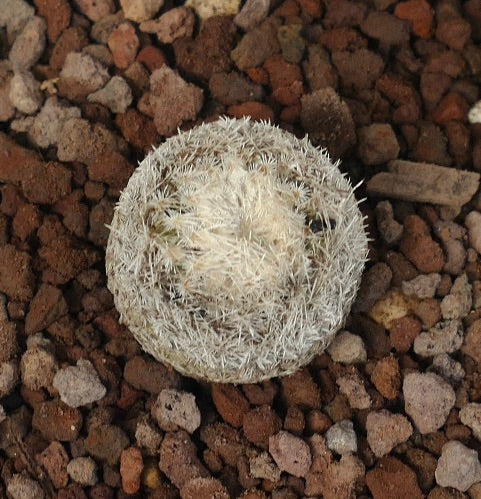
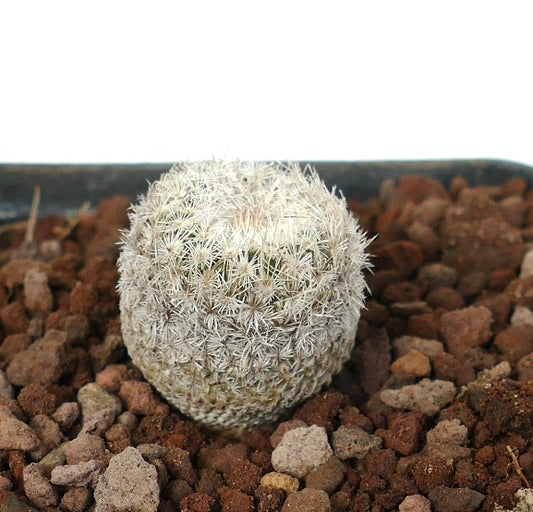
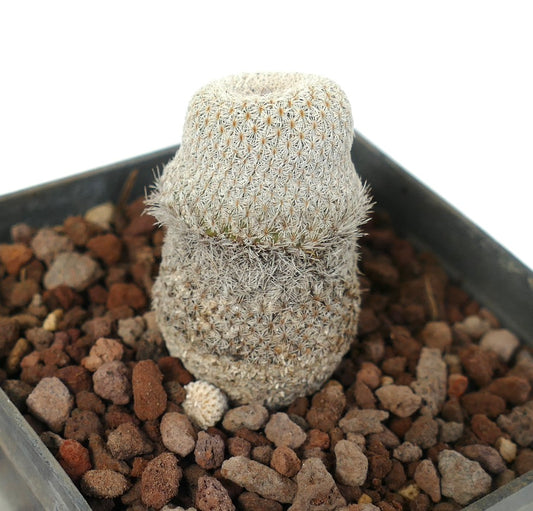
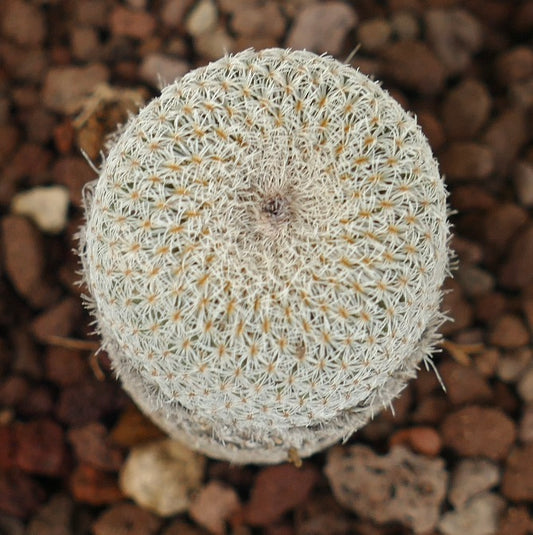
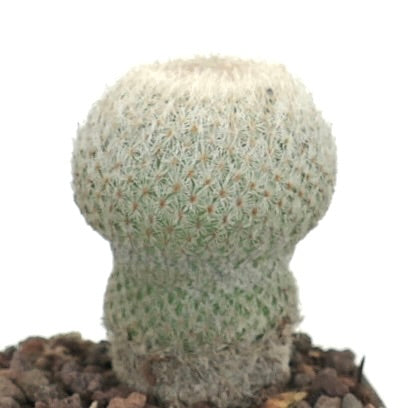
Epithelantha comprises a fascinating genus of small cacti native to the arid regions of the southwestern United States and northern Mexico. These cacti display a unique morphology with tiny, globe-shaped bodies densely covered by tubercles and short spines. This structure minimizes water loss and protects them from herbivores, which are vital adaptations for surviving in harsh desert climates. Their modest size and distinctive appearance set Epithelantha apart within the diverse Cactaceae family, attracting interest from both botanists and ecologists.

Explore Unique Epithelantha Species

The genus Epithelantha includes several species, such as micromeris, bokei, greggii, and ilariae. These species show subtle differences in spine arrangement, size, and flower coloration. Typically, they inhabit limestone-rich soils in desert scrublands and rocky outcrops, environments characterized by intense sunlight and scarce water. Their small flowers, ranging from white to pale pink, bloom near the stem apex and develop into bright red, berry-like fruits. These fruits attract birds and insects, which aid in seed dispersal and support the biodiversity of desert ecosystems. Consequently, Epithelantha plays an important role in maintaining ecological balance within its native habitats.

Representative examples of Epithelantha species include:

  • E. micromeris: Noted for its tiny, rounded form with dense spination that reduces water loss.
  • E. bokei: Larger with more pronounced tubercles, adapted to similar arid conditions.
  • E. greggii: Found at higher elevations and distinguished by unique floral patterns.
  • E. ilariae: Compact and well-adapted to rocky substrates, showing remarkable resilience.

Master the Art of Epithelantha Care

Successfully cultivating Epithelantha requires replicating its natural environment. These cacti thrive in well-draining soils composed mainly of sandy or rocky materials, which prevent root rot under dry conditions. They need abundant sunlight to maintain their compact form and vibrant spines, essential for their survival. Watering must be minimal and carefully timed, since excessive moisture harms their delicate roots. During colder months, Epithelantha enters dormancy and requires even less water. Their dense spination and small surface area effectively reduce transpiration, enabling them to endure temperature extremes and prolonged drought.

Propagate and Grow Epithelantha

Propagation mainly occurs through seeds, which germinate best under warm, dry conditions that resemble their native habitat. Seeds require exposure to light and consistent warmth to optimize germination rates. Gardeners typically sow seeds in shallow trays filled with well-draining soil mixtures while maintaining moderate humidity until seedlings appear. Although Epithelantha grows slowly, its resilience and charming flowers reward patient cultivation. Additionally, grafting onto hardy rootstocks can enhance growth speed and improve survival rates. Their small flowers attract pollinators like bees, which play a crucial role in their reproductive cycle and genetic diversity.

Buy and Cultivate Epithelantha

Obtaining Epithelantha species allows enthusiasts to observe their remarkable desert adaptations firsthand. These cacti suit xeriscaping due to their low water needs and tolerance to high temperatures. Moreover, cultivating Epithelantha helps conserve wild populations by reducing collection pressure in natural habitats. Overall, Epithelantha cacti offer valuable insights into desert plant adaptations, ecological relationships, and horticultural techniques. Their compact size, distinctive morphology, and minimal care requirements make them significant for both scientific research and succulent collections.