Abies

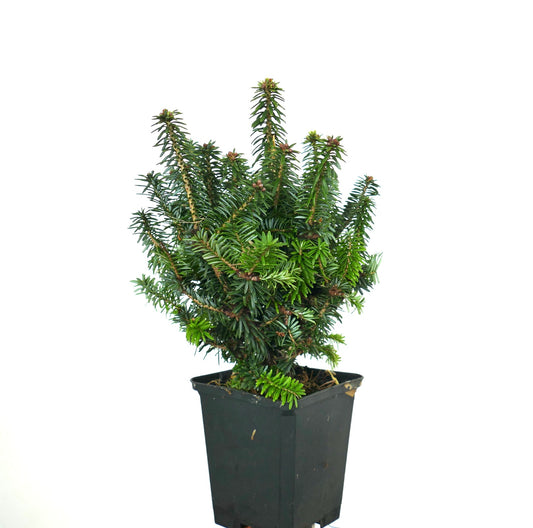
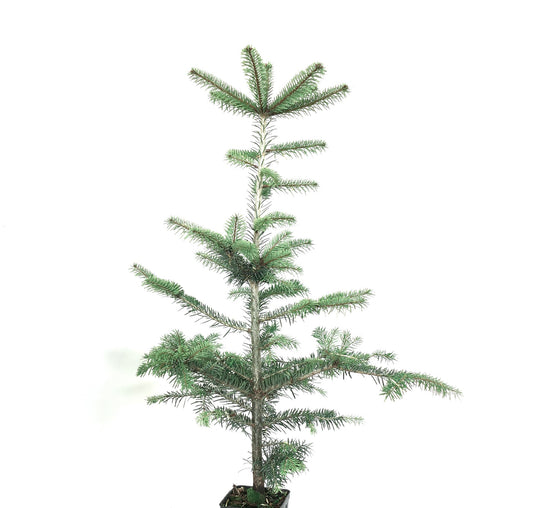
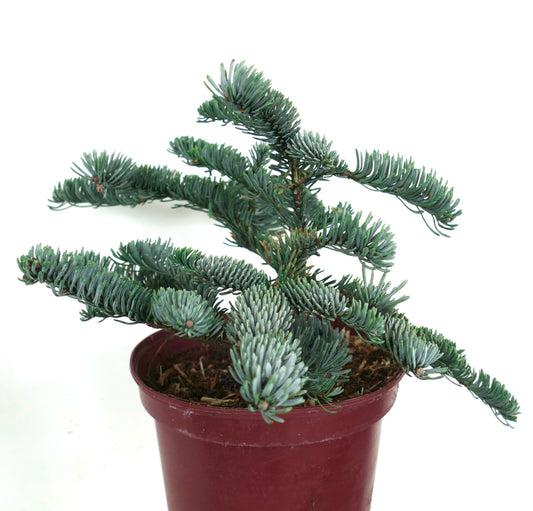
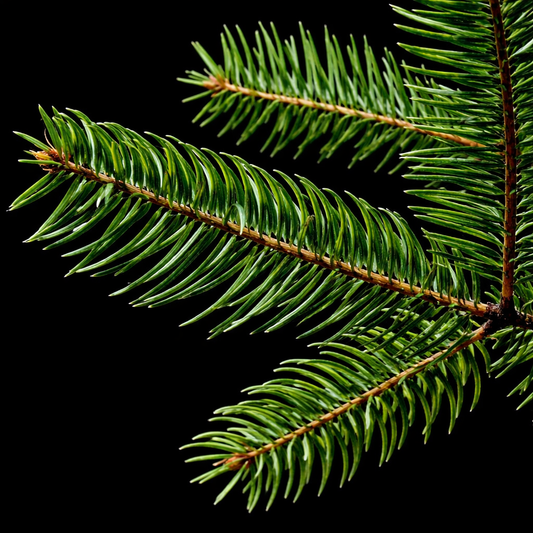
Explore our Abies collection, featuring majestic fir trees celebrated for their symmetrical forms, evergreen foliage, and distinctive cones. Native to temperate regions across the Northern Hemisphere, Abies species are known for their strong, pyramidal shapes and soft, needle-like leaves that vary in shades of green, silver, or blue. These trees are commonly used as ornamental plants in large landscapes and are famous as traditional Christmas trees. Thriving in well-draining, slightly acidic soils and full to partial sun, Abies are ideal for creating stately, year-round greenery.

Collection: Abies

Abies: The Majestic Fir Trees

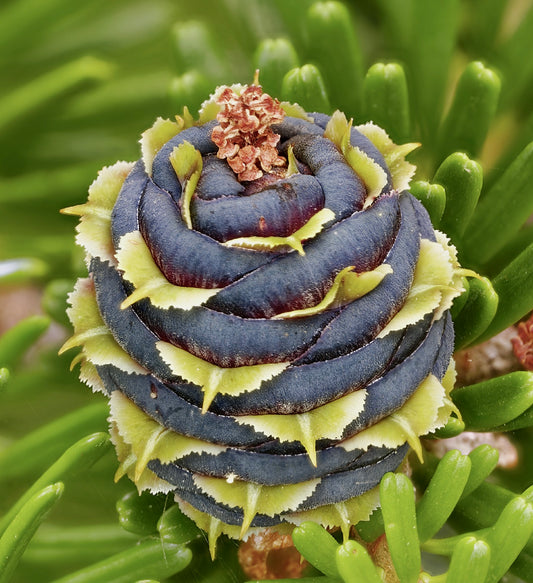
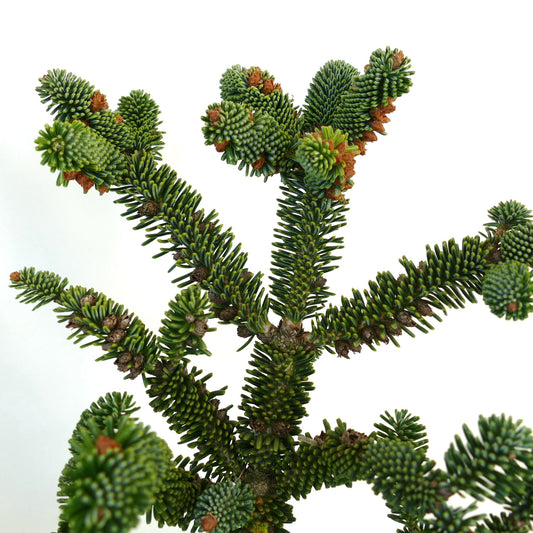
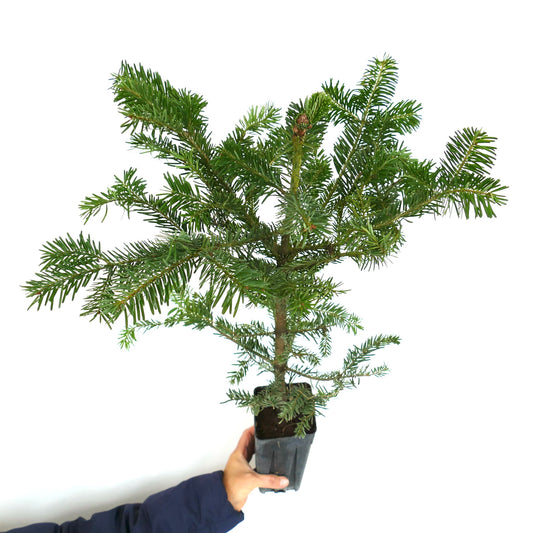
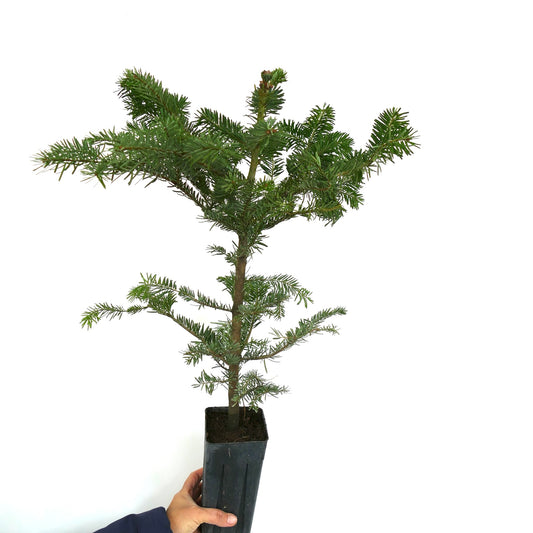
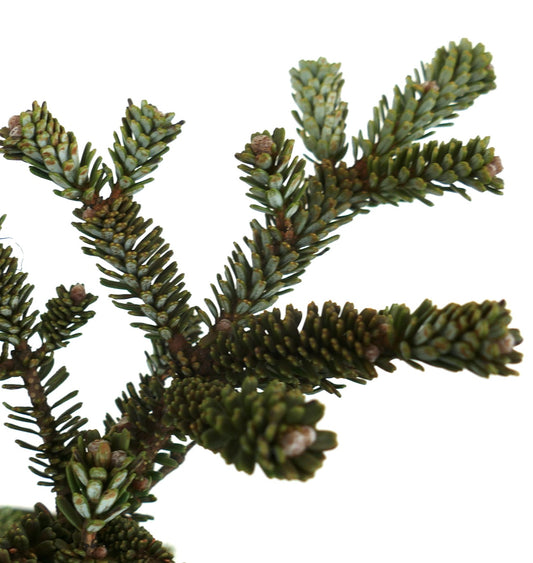
The Abies genus, commonly known as fir trees, encompasses numerous species valued for their aesthetic appeal and practical uses. These evergreen conifers belong to the Pinaceae family and thrive primarily in mountainous regions of the Northern Hemisphere. For example, the abies koreana tree is renowned for its striking blue cones and compact form, making it a popular ornamental species. Similarly, the abies nordmanniana tree stands out for its dense foliage and widespread use in landscaping. Fir trees adapt well to cool climates and often grow in mixed coniferous forests, where they contribute significantly to ecosystem stability and soil retention.

Christmas Trees and Beyond

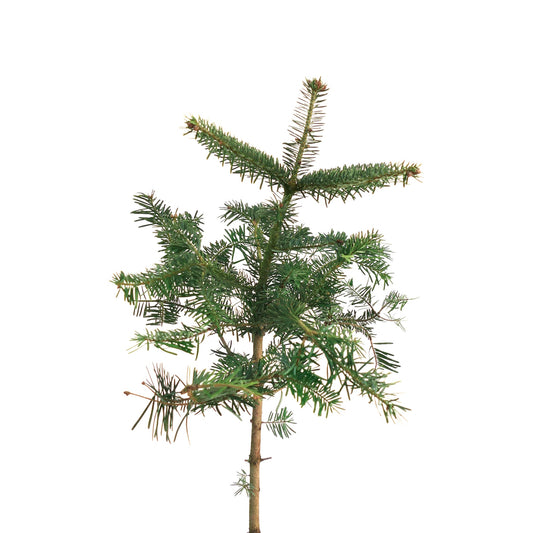
Several Abies species serve as traditional Christmas trees, including the abies grandis christmas tree and the abies fraseri christmas tree. These trees are favored for their symmetrical shape, lush needles, and pleasant scent, which enhance festive atmospheres. Ecologically, firs provide shelter and food for various wildlife, such as birds and small mammals, which utilize the dense branches and seeds. Their ability to grow in diverse soil types and elevations further contributes to their popularity in both natural and cultivated environments.

Unique Features of Abies Species

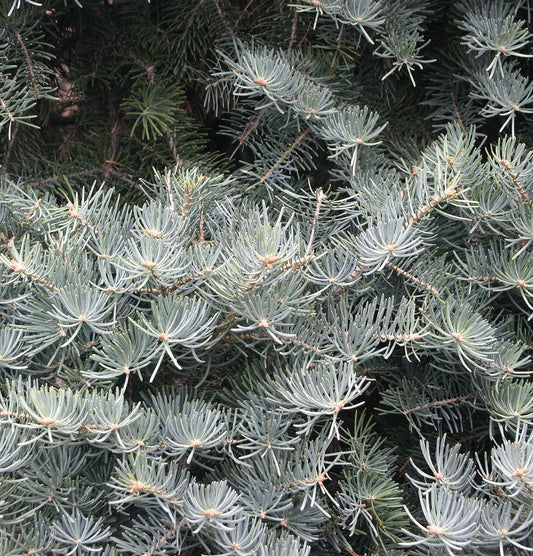
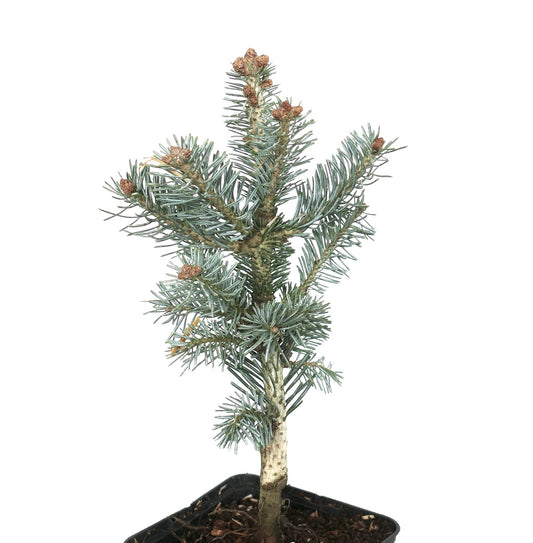
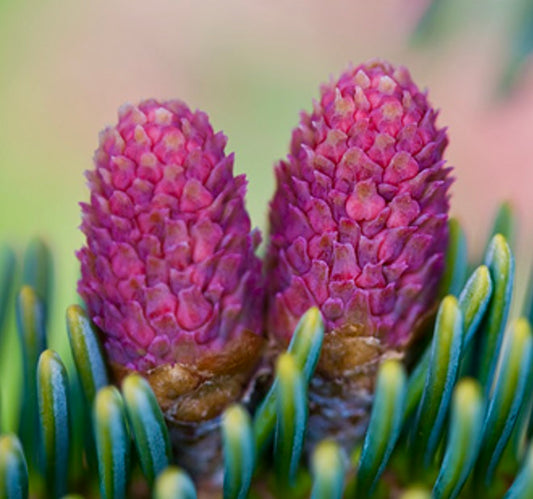
The diversity within the Abies genus includes species like the abies concolor christmas tree and the abies balsamea tree, each exhibiting unique morphological traits. For instance, the abies concolor is distinguished by its silvery-blue needles and elongated cones, adapting well to dry, high-altitude habitats. The abies balsamea thrives in colder climates and produces aromatic resin used in traditional medicine. Notably, the abies koreana korean fir tree is highly regarded for its ornamental cones and slow growth, which make it ideal for garden cultivation. These firs display adaptations such as needle shape and bark texture that help them survive harsh winters and resist pests.

Fir Tree Care and Uses

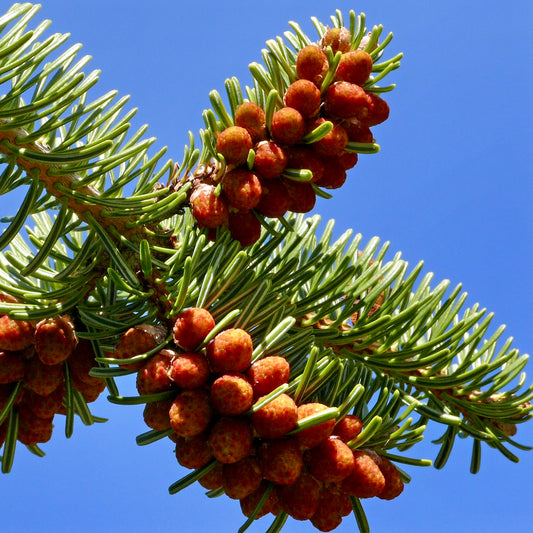
Planting and maintaining fir trees like the abies nobilis tree and the abies alba tree require understanding their ecological preferences. They favor well-drained, acidic soils and benefit from regular watering during dry periods. Fir cones, including abies nordmanniana cones, are often collected for decorative crafts due to their sturdy structure and aesthetic appeal. Ecologically, firs play a role in carbon sequestration and provide habitat for numerous organisms, contributing to forest biodiversity. Their wood is used in construction and paper industries, reflecting their economic importance beyond ornamental uses.

In summary, abies trees represent a vital group of evergreens with ecological, ornamental, and economic significance. Their wide distribution across temperate zones, combined with distinct adaptations, makes them a fascinating subject for botanical study and conservation efforts.

  • Adapted to mountainous and cool temperate regions worldwide
  • Provide essential habitat and food sources for forest wildlife
  • Exhibit diverse cone structures and needle morphologies
  • Play a significant role in forest ecosystems and carbon cycling
  • Used extensively in landscaping, festive decorations, and timber industries