Paulownia: The Versatile Wonder Tree
The Paulownia genus, commonly known as the Empress Tree or Foxglove Tree, includes fast-growing deciduous trees native to East Asia. These trees are renowned for their striking large leaves and rapid growth rate, which can exceed several feet per year under optimal conditions. Notably, species such as Paulownia tomentosa and Paulownia elongata have adapted well to various environments, demonstrating remarkable resilience and ecological versatility.
What Makes Paulownia Unique?
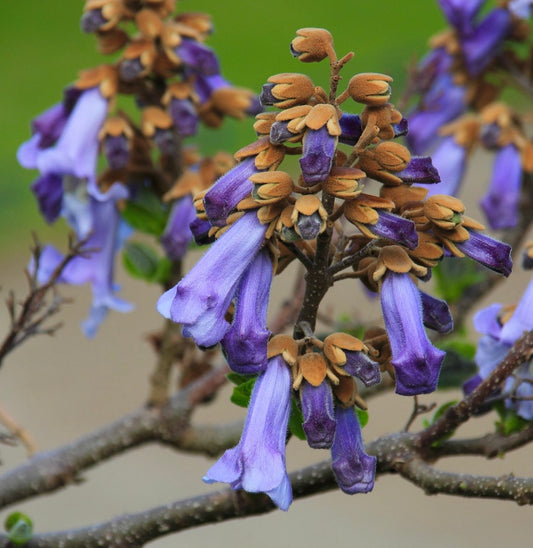
The Paulownia stands out due to its combination of lightweight yet strong timber and its ecological characteristics. Its wood is highly valued for furniture, construction, and artisanal crafts because it balances durability with ease of workability. Morphologically, Paulownia trees develop large, heart-shaped leaves that provide extensive shade and contribute to rapid biomass accumulation. Their flowers, which bloom in spring, are tubular and resemble those of foxgloves, attracting numerous pollinators such as bees and butterflies. These traits enhance their role in supporting local biodiversity and promoting healthy ecosystems.
Benefits of Growing Paulownia
Planting Paulownia offers multiple environmental and economic benefits. Ecologically, these trees excel in carbon sequestration due to their rapid growth and large leaf surface area, which increases photosynthetic capacity. They also facilitate fast reforestation and soil stabilization, especially in degraded or disturbed lands. The species Paulownia tomentosa thrives across a wide range of climatic zones, from temperate to subtropical regions, making it suitable for diverse reforestation projects. Moreover, its vibrant flowers support pollinator populations, which are crucial for ecosystem health and agricultural productivity.
Within one paragraph, the ecological and practical advantages of Paulownia include:
- Rapid growth enabling quick biomass production and carbon uptake
- Adaptability to varied soil types and climates, including poor or eroded soils
- Provision of habitat and food resources for pollinators and wildlife
- Production of lightweight, durable wood favored in sustainable forestry
- Use in agroforestry systems to improve soil quality and microclimate
Care and Cultivation of Paulownia
Cultivating Paulownia requires attention to several key factors to ensure healthy growth and optimal timber quality. These trees prefer full sunlight and well-draining soils with moderate fertility. They tolerate drought once established but benefit from regular watering during the early growth stages. Proper spacing is essential to accommodate their expansive canopy and deep root systems. Additionally, pruning encourages stronger branches and improves wood density, which is particularly important for commercial timber production. Paulownia trees can reach maturity within 7 to 10 years, making them a sustainable choice for forestry and land reclamation efforts.
Where to Find Paulownia Trees
Reliable sources offer Paulownia seeds and saplings, including varieties such as Paulownia elongata, prized for its fast growth and excellent wood characteristics, and Paulownia tomentosa, favored for ornamental planting due to its attractive flowers. These trees are cultivated in nurseries worldwide, especially in regions focused on sustainable forestry and ecological restoration. When selecting planting material, consider local climate compatibility and intended use, whether for timber, shade, or ecological purposes.