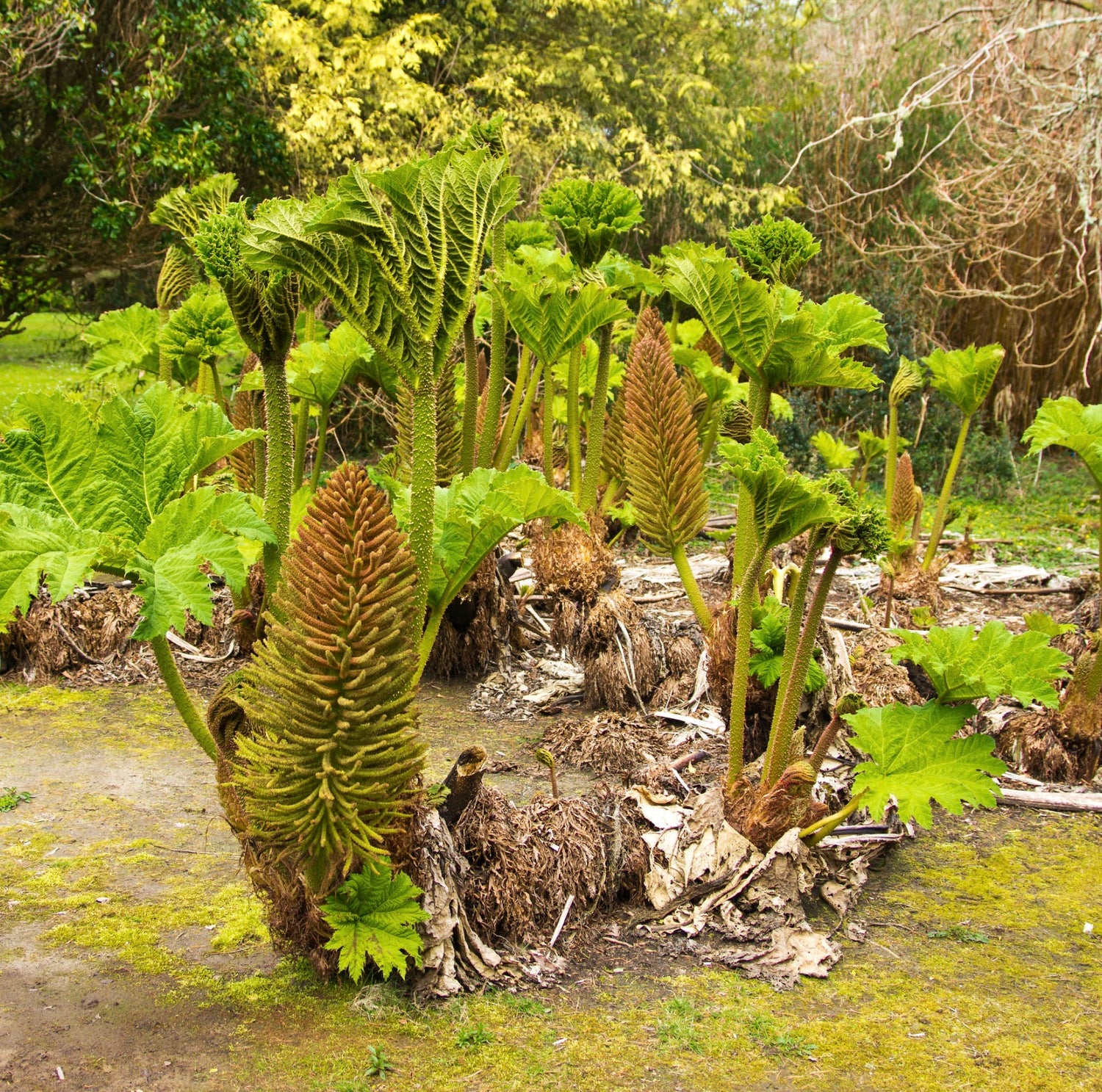
Discover the allure of Pilosocereus
Pilosocereus is a fascinating genus of cacti native primarily to Central and South America. These columnar cacti are known for their striking blue-green stems, often covered in dense, woolly hairs that protect them from intense sunlight and water loss. Adapted to arid and semi-arid environments, Pilosocereus species play a vital ecological role by providing shelter and food for various desert animals, including birds and insects. Their nocturnal flowers attract specific pollinators such as bats and moths, ensuring their reproduction in harsh climates.
The unique charm of Pilosocereus pachycladus
Pilosocereus pachycladus stands out with its robust, thick stems and vibrant green coloration accented by silvery hairs. This species thrives in rocky, well-drained soils and tolerates full sun exposure, making it well-suited to dry habitats. Its large, tubular flowers bloom at night, attracting nocturnal pollinators and contributing to the biodiversity of its native regions. Gardeners appreciate this cactus for its architectural form and resilience, often using it as a focal point in xeriscapes and succulent collections.
Growing and caring for Pilosocereus azureus
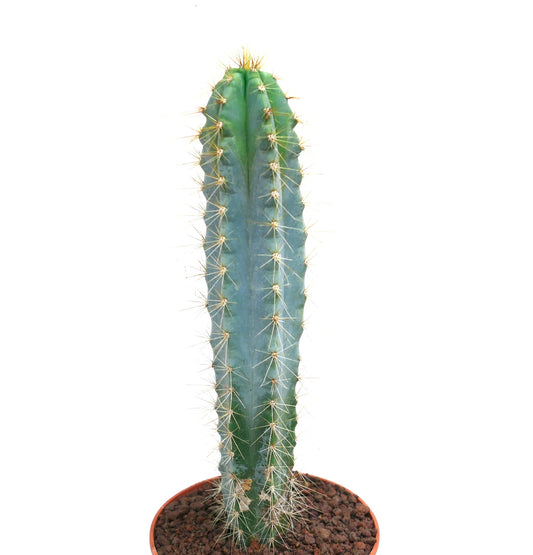
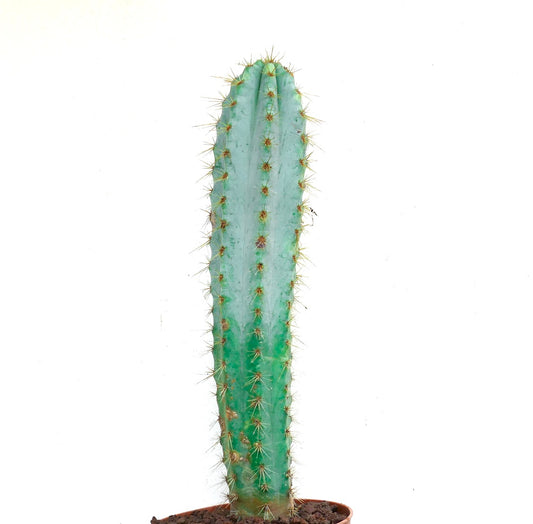
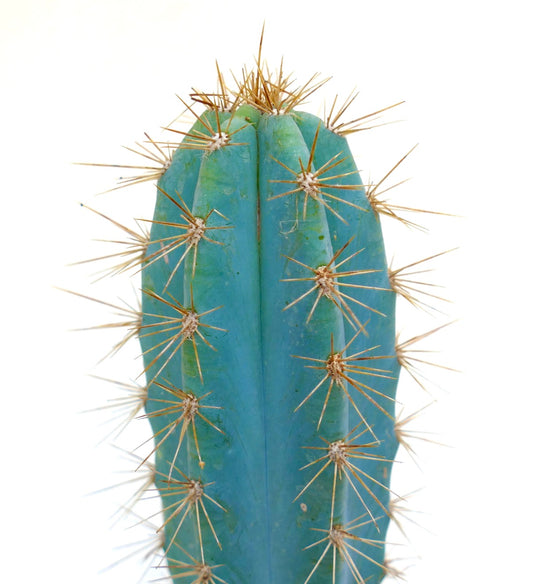
Pilosocereus azureus, commonly known as the blue torch cactus, displays a captivating blue hue due to a waxy coating that reduces water loss and reflects sunlight. It requires well-drained soil and ample sunlight to maintain its coloration and health. Regular watering during the growing season supports its development, while minimal water in winter prevents root rot. This species adapts well to container cultivation, making it accessible for enthusiasts who wish to replicate its natural dry habitat conditions. Its striking appearance also contributes to its popularity among collectors and botanical gardens.
Rare species of the Pilosocereus genus
Several rare species within the Pilosocereus genus, such as Pilosocereus millspaughii and Pilosocereus glaucescens, exhibit unique adaptations and localized distributions. Pilosocereus millspaughii is distinguished by its slender stems and dense spination, thriving in specific microhabitats that require conservation attention. Meanwhile, Pilosocereus glaucescens is known for its glaucous, or bluish-gray, stem coloration, which helps it survive intense sunlight and drought. These species illustrate the genus's diversity and evolutionary responses to different ecological niches. Their rarity makes them valuable for scientific study and conservation efforts.
Decorate with Pilosocereus cacti
Pilosocereus cacti offer versatile options for decoration due to their sculptural forms and striking colors. Whether incorporated into mixed cactus arrangements or displayed as solitary specimens, species like the Pilosocereus azureus blue torch cactus provide visual interest and texture. These cacti complement xeriscaping designs and indoor botanical collections, requiring minimal maintenance while enhancing environmental aesthetics. Their ability to thrive in dry conditions also makes them suitable for sustainable gardening practices. Additionally, a few key characteristics include:
- Adaptation to arid and semi-arid climates with water-efficient features.
- Provision of habitat and nourishment for desert fauna.
- Distinctive nocturnal flowers that support specialized pollinators.
- Structural forms that prevent soil erosion in native habitats.
- Resistance to pests and diseases common in dry environments.


 Sold out
 Sold out
 Sold out