Pachycereus: The Giant Cactus Genus
The Pachycereus genus comprises some of the most impressive and towering cacti native to arid and semi-arid regions, primarily in Mexico and the southwestern United States. These cacti exhibit remarkable adaptations to survive in harsh desert environments, such as their thick, fleshy stems that store water efficiently and their extensive root systems that maximize moisture absorption. Often reaching remarkable heights, Pachycereus species play a vital ecological role by providing habitat and food for various desert fauna, including birds, bats, and insects.
Pachycereus Pringlei and Cardon
Pachycereus pringlei, commonly known as the Cardon cactus, holds the distinction of being the tallest cactus species globally. It can exceed heights of 20 meters, making it a dominant feature in the Sonoran Desert landscape. The Cardon exhibits a robust, columnar form with multiple arms and produces large, nocturnal white flowers that attract pollinators such as bats. Its thick, ribbed stems minimize water loss and protect it from intense sunlight. Ecologically, the Cardon provides shelter and nourishment for numerous desert animals and serves as an essential component of its native ecosystem.
Pachycereus Marginatus: The Mexican Fence Post
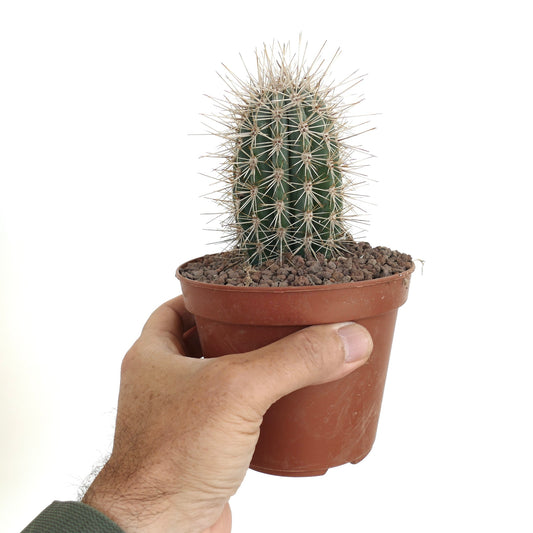
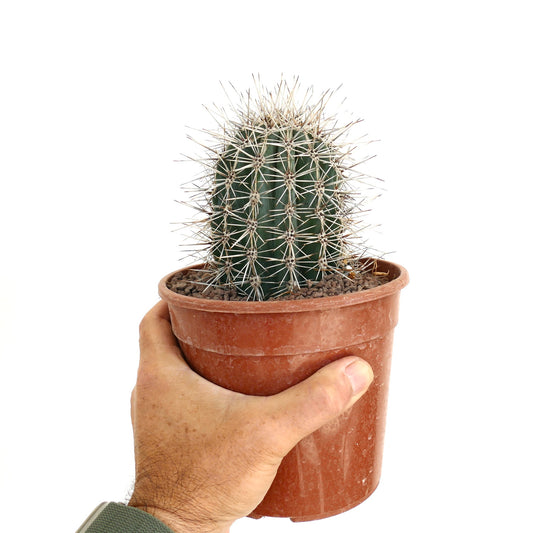
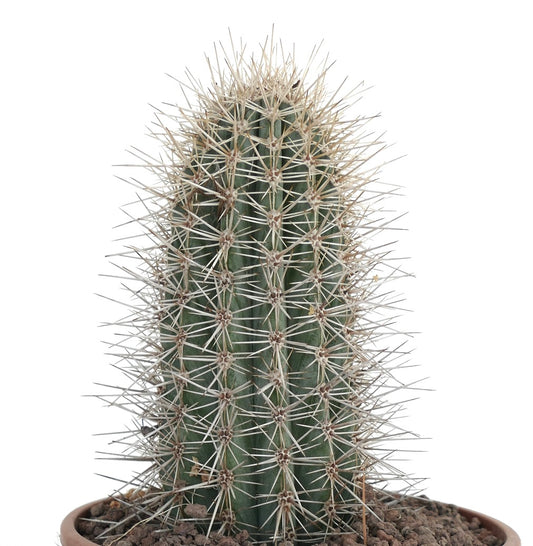
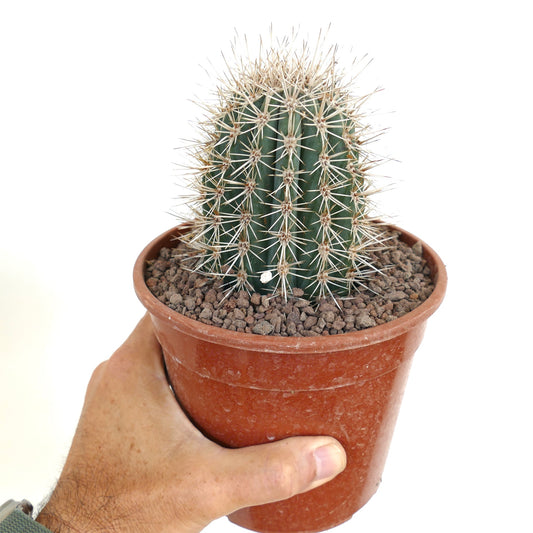
The Pachycereus marginatus, also known as the Mexican Fence Post cactus, is distinguished by its clean, upright, and columnar growth habit, making it a natural choice for use as living fences or boundary markers. Native to northeastern Mexico, it thrives in rocky, well-drained soils and tolerates drought conditions effectively. This species features narrow ribs and sharp spines that deter herbivores while allowing it to conserve water. Its adaptability to various soil types and climates has made it popular beyond its native range, often cultivated for ornamental purposes and landscape design.
Rare Varieties and Care
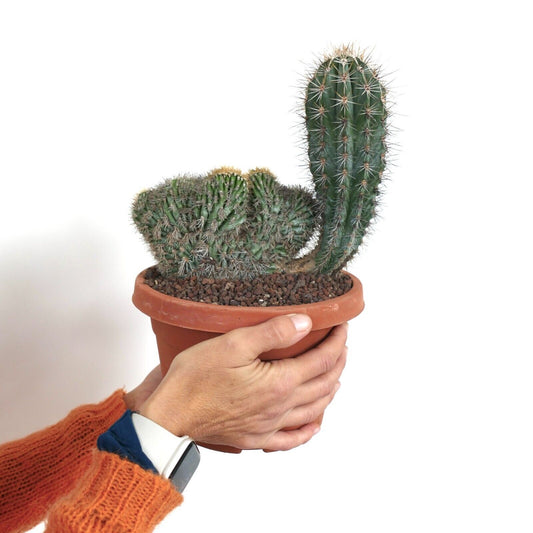
Beyond the well-known species, the Pachycereus genus includes rarer varieties such as Pachycereus schottii, Pachycereus pecten-aboriginum, and Pachycereus weberi. These species exhibit diverse forms and ecological niches but share common adaptations to desert life, including efficient water storage and sun protection. They require well-draining soils to prevent root rot and benefit from minimal watering schedules, mimicking their natural dry habitats. Bright sunlight is essential for their growth and flowering cycles, which often occur at night to coincide with specific pollinators. Proper care involves understanding their native environments and replicating those conditions to support longevity and healthy development.
- Adapted to arid, rocky, or sandy soils
- Engage in mutualistic relationships with desert fauna
- Display nocturnal flowering to attract specific pollinators
- Possess water-storing stems with protective spines
- Contribute to desert ecosystem stability and biodiversity
Overall, the Pachycereus genus represents a fascinating group of cacti that combine impressive stature with ecological significance. Their resilience and distinctive morphology make them valuable subjects for botanical study and essential components of desert landscapes.


 Sold out