Psidium: The Guava Genus
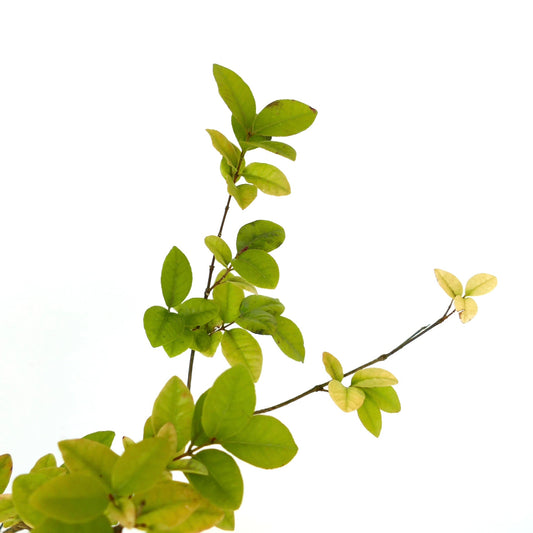
The Psidium genus includes a diverse group of tropical fruiting plants known primarily as guavas. This genus comprises several species, such as Psidium guajava (common guava) and Psidium cattleianum (strawberry guava), which are valued for their flavorful fruits and aromatic leaves. Native to the tropical and subtropical regions of the Americas, Psidium species thrive in warm climates and contribute significantly to local ecosystems by providing food for various animals and insects.
Psidium Guajava: The Common Guava
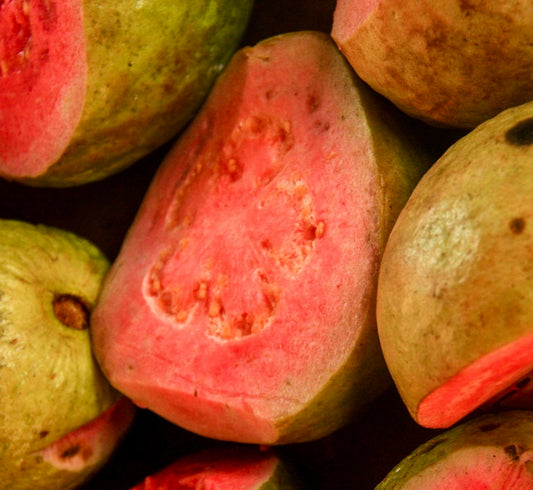
The Psidium guajava species is widely cultivated for its sweet and nutrient-rich fruits, which are consumed fresh or processed into juices, jams, and desserts. This species exhibits morphological adaptations such as leathery leaves and a sturdy trunk, enabling it to withstand dry periods. The fruit is particularly high in vitamin C, antioxidants, and dietary fiber, making it an important food source for both humans and wildlife. Additionally, Psidium guajava trees often play a role in agroforestry systems, promoting soil stability and biodiversity.
Strawberry Guava and Lemon Guava
Psidium cattleianum, commonly known as strawberry guava, produces smaller fruits with a tangy flavor that differ from the common guava. These fruits attract birds and mammals, which aid in seed dispersal. The lemon guava, another species within the genus, offers a distinctive citrus-like taste, expanding the culinary uses of Psidium. Both species adapt well to subtropical environments and can tolerate a range of soil types, demonstrating the genus's ecological versatility.
These species share several traits, including evergreen foliage and the ability to flower and fruit multiple times per year, which enhances their ecological role in native habitats.
- They provide nectar and pollen to pollinators like bees and butterflies.
- The fruits serve as a food source for various birds and mammals.
- The dense foliage offers shelter for small animals.
- They contribute to soil enrichment through leaf litter decomposition.
- Their root systems help prevent soil erosion in tropical landscapes.
Health Benefits of Guava Leaves
Guava leaves have been used traditionally for their medicinal properties. Scientific studies indicate that extracts from these leaves support digestion, improve skin health, and assist in regulating blood sugar levels. The leaves contain bioactive compounds such as flavonoids and tannins, which exhibit antioxidant and anti-inflammatory effects. In many cultures, guava leaves are brewed into teas or used in topical applications, reflecting their therapeutic value and cultural significance.
Growing and Caring for Psidium Plants
Psidium species grow best in warm, frost-free climates with well-draining soils. They tolerate moderate drought but benefit from regular watering during dry spells. These plants prefer full sun exposure to maximize fruit production. Pruning helps maintain their shape and encourages healthy growth. Because of their resilience and adaptability, species like Psidium guajava and Psidium cattleianum are widely cultivated not only in home gardens but also in commercial orchards across tropical and subtropical regions.
Overall, the Psidium genus combines ecological importance, nutritional value, and medicinal uses, making it a significant group within tropical flora.

 Sold out