Eucalyptus: The Versatile Evergreen
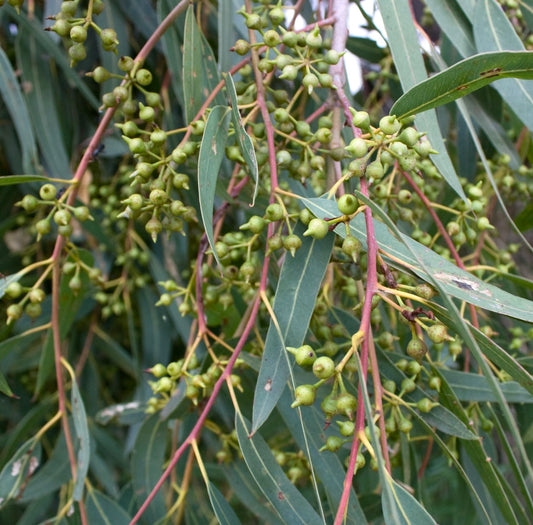
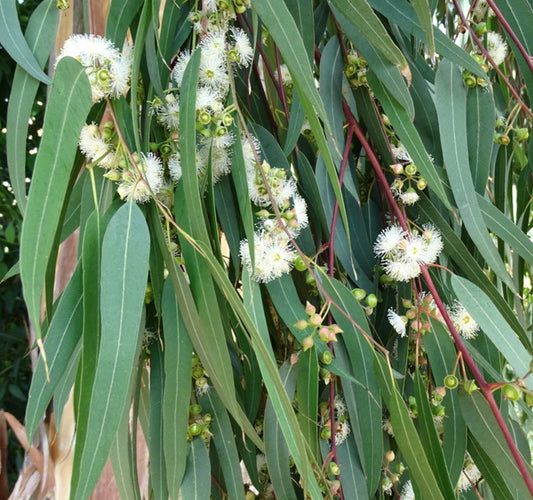
The Eucalyptus genus includes over 700 species of flowering trees and shrubs, mostly native to Australia and nearby islands such as Tasmania and New Guinea. These plants are renowned for their aromatic leaves rich in essential oils and can reach impressive heights, often forming dominant forest canopies. They thrive in diverse habitats ranging from dry, nutrient-poor woodlands to moist, temperate forests, demonstrating remarkable adaptability. Ecologically, eucalyptus species support a wide array of wildlife, contribute to soil nutrient cycling, and influence fire regimes in their native ecosystems.
Eucalyptus Trees: A Natural Wonder
Eucalyptus trees, including notable species like the rainbow eucalyptus (deglupta), are admired for their smooth, multicolored bark and fast growth. These trees possess specialized oil glands within their leaves that produce volatile compounds, which help deter herbivores and reduce water loss through transpiration. They typically grow in well-drained soils and can withstand prolonged droughts, an adaptation critical in fire-prone Australian landscapes. Furthermore some forests provide essential habitat and food sources for many animals, most famously koalas, which feed almost exclusively on the leaves due to their unique detoxification abilities.
Many eucalyptus species exhibit a remarkable fire-adaptive regeneration strategy called epicormic resprouting, allowing them to recover quickly after bushfires. This adaptation plays a key role in maintaining forest structure and biodiversity in fire-affected regions.
Eucalyptus Oil: A Natural Remedy
Eucalyptus oil, predominantly extracted from the leaves of species such as globulus, contains bioactive compounds like cineole (eucalyptol). These compounds exhibit antimicrobial, anti-inflammatory, and expectorant properties. Traditionally and in modern medicine, eucalyptus oil serves as a treatment for respiratory conditions, muscle aches, and skin irritations. Aromatherapy uses this oil to promote relaxation and help clear nasal passages, enhancing respiratory comfort.
In addition to medicinal applications, the oil functions as a natural insect repellent, reflecting the plant’s ecological interactions by protecting itself and influencing insect behavior in its environment.
Caring for Eucalyptus Plants
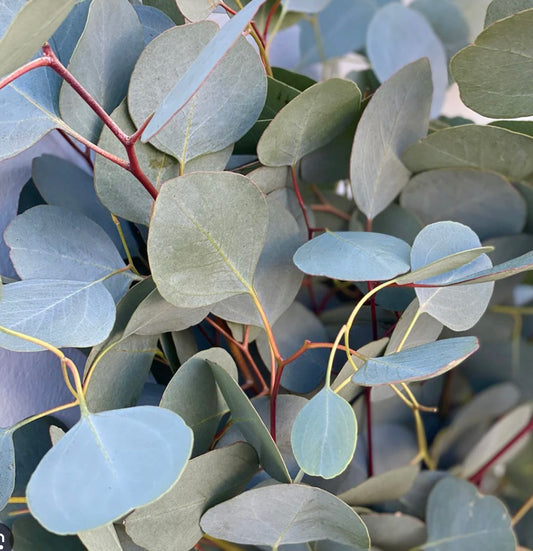
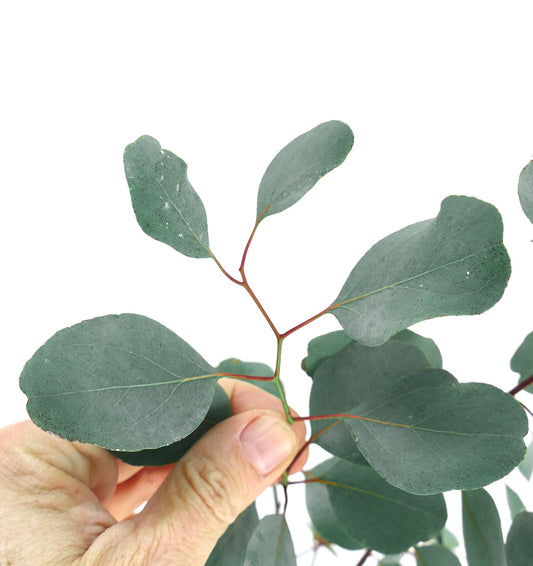
Successful cultivation of eucalyptus plants requires well-drained soil and full exposure to sunlight. These plants prefer temperate to warm climates but can adapt to a range of environmental conditions. Young plants need consistent watering to develop robust root systems, whereas mature trees tolerate drought effectively. Species like eucalyptus cinerea, known as silver dollar, are popular in horticulture due to their distinctive round leaves and use in floral arrangements.
In garden settings, eucalyptus enhances biodiversity by attracting pollinators such as bees and birds. Their leaf litter contributes to soil enrichment and nutrient cycling, promoting healthier ecosystems.
Overall, this genus offers significant ecological, horticultural, and practical benefits, making it a valuable component of both natural and managed landscapes.
Key characteristics of eucalyptus include:
- Native distribution mainly in Australia, Tasmania, New Guinea, and surrounding islands
- Adaptations such as oil glands in leaves and fire resilience through epicormic resprouting
- Ecological roles including provision of habitat, food for specialized fauna, and soil enrichment
- Medicinal uses of oil for respiratory support, anti-inflammatory effects, and insect repellency
- Popular species for cultivation, including silver dollar (Eucalyptus cinerea) and rainbow eucalyptus (Eucalyptus deglupta)