Discover the Unique Beauty of Edgeworthia
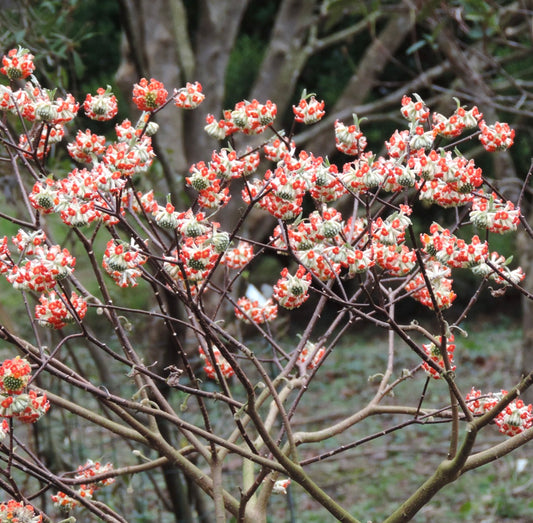
Edgeworthia is a genus of flowering plants belonging to the Thymelaeaceae family, well known for its distinctive fragrant yellow flowers and ornamental appeal. Native to the woodlands of the Himalayas and parts of East Asia, this genus includes species that have adapted to thrive in temperate climates with well-drained soils. The Edgeworthia plant typically grows as a deciduous shrub, reaching heights of 1 to 3 meters, with clusters of tubular flowers that bloom in late winter or early spring. These blooms attract various pollinators, playing an important ecological role in their native habitats.
Meet the Iconic Edgeworthia chrysantha
Among the species, Edgeworthia chrysantha stands out for its striking golden-yellow flowers and strong fragrance, which earned it the common name paperbush plant. This species has been traditionally valued in East Asia, especially in Japan and China, where its bark fibers are used to make high-quality paper. The plant’s morphology includes leathery, lance-shaped leaves and flower heads composed of numerous small florets. It prefers shaded to partially shaded environments, often found under forest canopies, where it benefits from protection against harsh sunlight.
Tips for Proper Edgeworthia Care
Cultivating Edgeworthia requires attention to soil, moisture, and light. The shrub thrives in acidic to neutral, rich, and well-drained soils that retain moisture without becoming waterlogged. It benefits from consistent watering during dry periods but does not tolerate prolonged drought. Regarding light, Edgeworthia prefers partial shade, especially in regions with intense summer sun, which helps prevent leaf scorch and encourages healthy flowering. This balance of light and moisture promotes vigorous growth and abundant blooms.
Gardeners should consider the following care aspects:
- Plant in sheltered locations to protect from strong winds
- Use organic mulch to maintain soil moisture and temperature
- Apply balanced fertilizers during the growing season to support flowering
- Ensure good air circulation to reduce fungal diseases
Pruning and Propagation of Edgeworthia
Pruning Edgeworthia shrubs helps maintain their shape and promotes new growth. It is best to prune immediately after flowering, removing old or weak stems to encourage vigorous shoots for the next season. Propagation is commonly achieved through semi-hardwood cuttings taken in late summer or by layering, which allows new plants to establish roots while still attached to the parent. Seed propagation is less common due to slower and less predictable germination.
Enhance Your Garden with Edgeworthia
With its textured bark, fragrant flowers, and attractive foliage, the Edgeworthia shrub adds seasonal interest and ecological value to gardens and landscapes. It is especially useful in woodland gardens or shaded borders where it complements spring bulbs and shade-loving perennials. Because it supports pollinators and provides early nectar sources, it contributes positively to garden biodiversity.