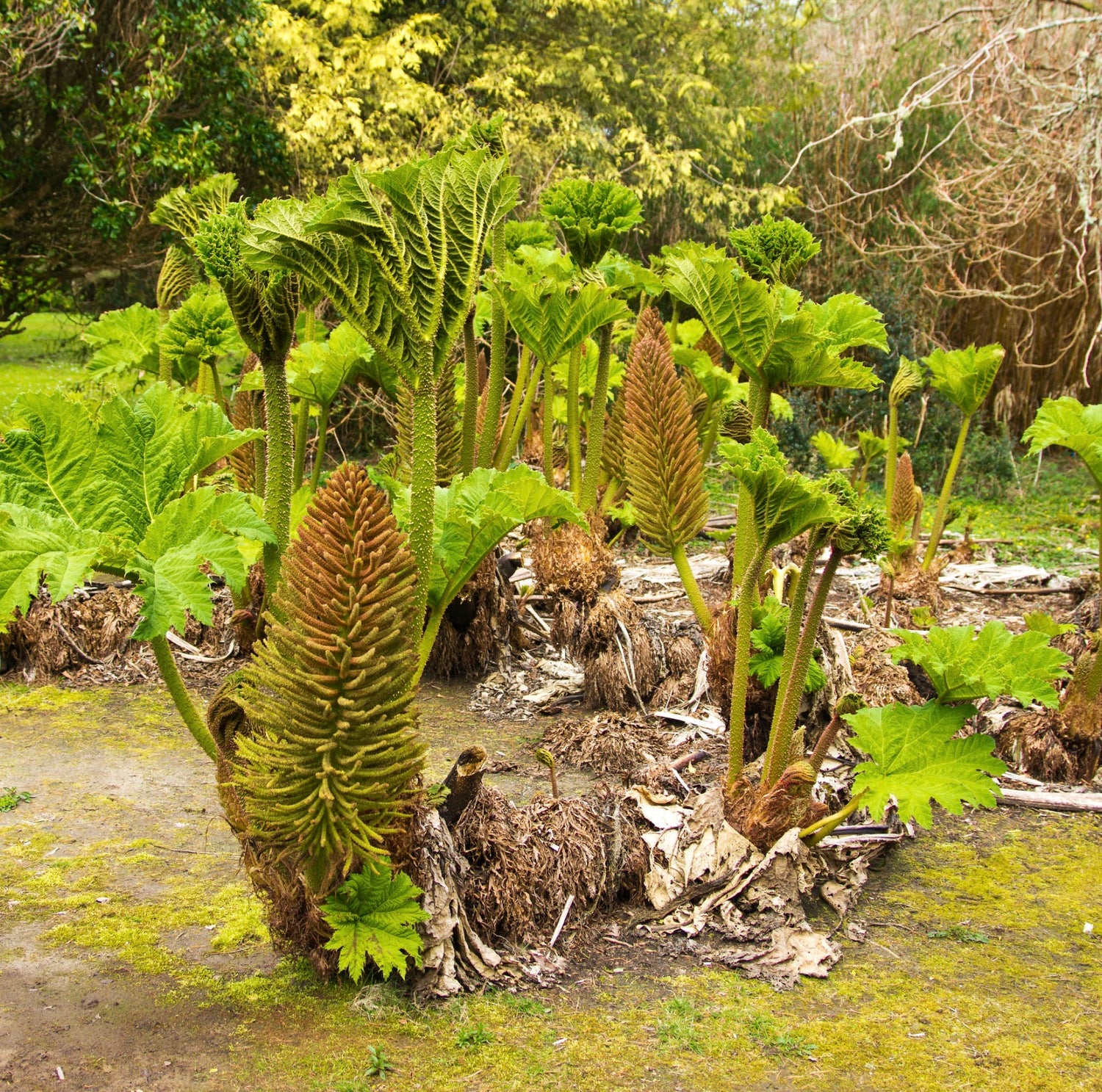
Aralia: Ornamental Plants with Exotic Elegance
What Is Aralia
Aralia is a diverse genus of flowering plants that includes shrubs, small trees, and perennial herbs. It belongs to the family Araliaceae and is native mainly to temperate and tropical regions of Asia and North America. These plants exhibit lush foliage characterized by large, often compound or deeply lobed leaves, which contribute to their ornamental appeal. Notable species include Aralia japonica (Fatsia japonica), known for its broad, glossy leaves; Aralia spinosa, commonly called the devil's walking stick, recognized for its spiny stems; and the elegant Ming aralia (Polyscias fruticosa), prized for its delicate, finely divided leaves. Aralia plants produce small, clustered flowers arranged in umbels, which attract various pollinators, playing an important ecological role in their habitats. Their evergreen or semi-evergreen nature ensures year-round greenery, making them valuable in both natural and cultivated landscapes.
Ornamental and Garden Value
Aralia plants serve multiple ornamental purposes due to their striking foliage and architectural form. Gardeners use them as ornamental shrubs to add texture and height to shaded borders and woodland gardens. Larger species, such as Aralia spinosa, function as garden trees that provide unique visual interest with their stout, spiny trunks and airy flower clusters. Popular indoor varieties like false aralia (Schefflera elegantissima) and Ming aralia bring tropical charm into homes and offices, thriving in pots with proper care. Their leaves vary from broad and glossy to finely dissected, offering versatility in design from traditional to contemporary settings. Ecologically, these plants support local fauna by providing shelter and food resources, especially through their nectar-rich flowers and berries that attract birds and insects.
Common uses and features include:
- Adding lush greenery to shaded or semi-shaded garden areas
- Serving as focal points with distinctive leaf shapes and textures
- Supporting pollinators and bird species through their flowers and fruits
- Adapting well to container cultivation for indoor environments
- Enhancing biodiversity in garden ecosystems
Growing and Care
Aralia care involves understanding their natural preferences. These plants thrive in well-draining soil rich in organic matter and require consistent moisture without waterlogging. They favor partial shade or indirect sunlight, mimicking their native understory habitats. Hardy species like Aralia spinosa endure colder climates and can grow outdoors in temperate zones, while tropical types such as Ming aralia need warmer, humid conditions best provided indoors or in frost-free gardens. Pruning encourages bushier growth and maintains shape. Pests and diseases are generally minimal but monitoring for scale insects and spider mites helps preserve plant health. Seasonal blooming produces small white flowers, followed by berries that contribute to wildlife food chains. Overall, aralia shrubs and trees reward careful gardeners with year-round foliage interest and occasional floral displays.
Aralia at Botanical Archive
At Botanical Archive, the selection of aralia plants reflects their botanical diversity and ornamental value. From the classic japonica to rare and exotic forms like false aralia, the collection supports enthusiasts, landscapers, and researchers. These plants embody a combination of resilience, adaptability, and aesthetic appeal, making them an excellent choice for enhancing green spaces and indoor environments. Their ecological interactions and morphological adaptations highlight their importance beyond decoration, contributing to garden biodiversity and environmental balance.