Puya: The Striking and Resilient Bromeliad Genus
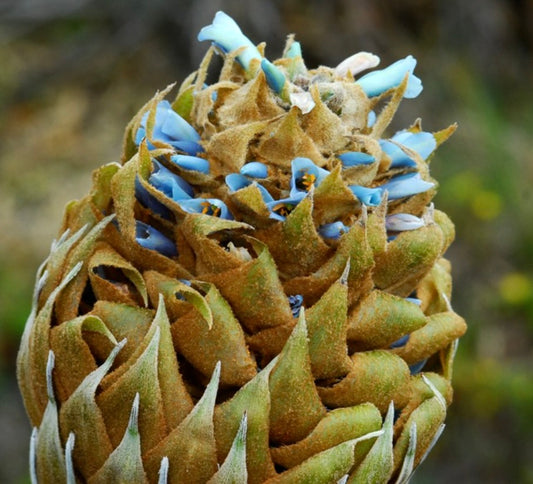
The Puya genus, belonging to the Bromeliaceae family, includes terrestrial bromeliads native to varied regions across South America. These plants display remarkable adaptations that enable them to thrive in harsh, arid, and mountainous environments. Their distinctive features include spiky foliage that minimizes water loss and impressive flower spikes that attract specialized pollinators. For example, Puya raimondii is renowned as the largest bromeliad species, producing towering inflorescences, whereas Puya alpestris is admired for its vivid turquoise flowers. Similarly, Puya berteroniana is valued for its ornamental appeal in cultivation.
What is Puya?
Puya species predominantly inhabit high-altitude zones, especially the Andes mountain range, where they endure extreme conditions such as intense sunlight, drought, and rocky soils. Their morphological adaptations include tough, spiny leaves coated with waxy surfaces that reduce transpiration. These plants typically grow in well-drained, mineral-rich but nutrient-poor soils, reducing competition from other plants. Ecologically, Puya species play a vital role by providing food and shelter for insects and birds, notably hummingbirds, which serve as their primary pollinators. This mutualistic relationship ensures effective pollination and sustains the biodiversity of their native ecosystems. Additionally, some Puya species form dense rosettes that help stabilize soil and prevent erosion in mountainous habitats.
How to Grow and Care for Puya
To cultivate Puya successfully, recreate conditions similar to their natural environment. These plants prefer well-drained soils with low fertility and thrive under full sun exposure. Their high drought tolerance means watering should be infrequent, preventing root rot caused by excessive moisture. Puya species are well-suited for xeriscaping, rock gardens, and dry landscapes where their architectural form complements other drought-adapted plants. Notably, species like Puya raimondii exhibit a prolonged juvenile phase, often taking several decades to produce flowers. This slow growth reflects their adaptation to nutrient-poor and challenging climates. Proper care involves ensuring good drainage, avoiding overwatering, and providing ample sunlight to promote healthy development.
Puya in Landscaping and Ornamental Use
The unique and striking appearance of Puya plants makes them popular in desert gardens and botanical collections around the world. Their architectural growth and spiny leaves add visual interest to landscapes, while species such as Puya alpestris are cultivated for their vibrant blue-green flowers. Furthermore, Puya species support ecological landscaping by attracting native pollinators like hummingbirds, thereby enhancing local biodiversity. Their resilience and minimal maintenance requirements suit sustainable gardening practices in arid and semi-arid regions. These plants also provide habitat niches for various insects and small animals, contributing to ecosystem complexity.
Common Issues and Maintenance Tips
Although Puya plants generally resist pests, their sharp, spiny leaves require careful handling to avoid injury. The most frequent cultivation challenge is overwatering, which can lead to root rot; therefore, ensuring excellent soil drainage is crucial. These bromeliads tolerate poor soils and infrequent care, reflecting their evolution in resource-scarce environments. Selecting appropriate planting sites with good sunlight and drainage enhances their growth and longevity. Regular monitoring for signs of fungal infections or pests will maintain plant health.
Key characteristics of Puya include:
- Adaptation to high-altitude, arid environments
- Spiny, drought-resistant foliage that minimizes water loss
- Extended lifespan with delayed flowering in some species
- Ecological importance in supporting pollinators such as hummingbirds
- Use in xeriscaping and low-maintenance, sustainable gardens