Discover the Beauty and Benefits of Diospyros Trees
What is Diospyros?
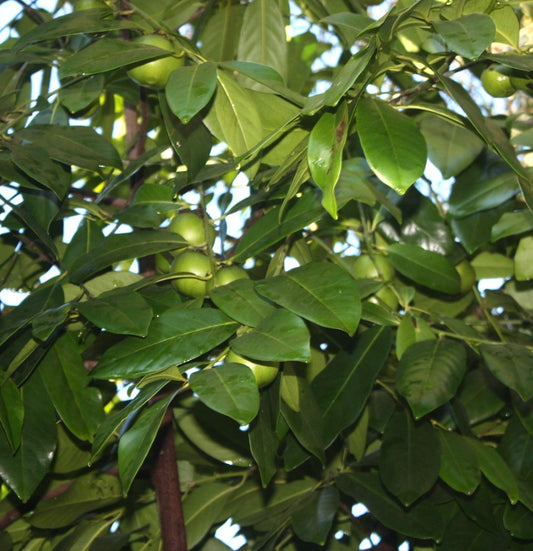
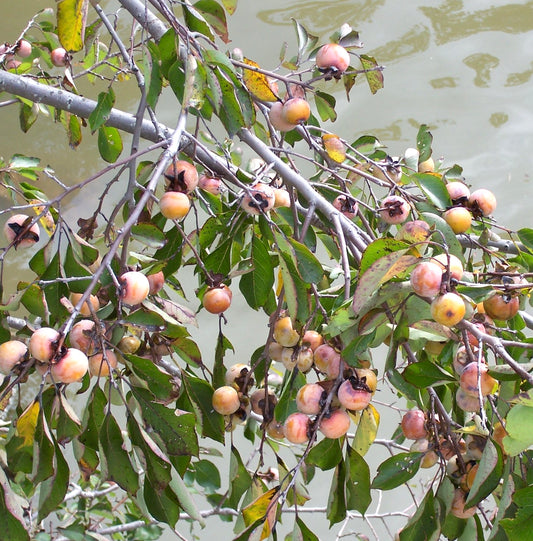
Diospyros, a genus of fruiting trees, includes varieties like diospyros virginiana (American persimmon) and diospyros digyna (black sapote). These trees are known for their edible fruits and striking beauty.
The genus belongs to the Ebenaceae family and encompasses over 700 species distributed across temperate and tropical zones. While some are famous for their glossy, orange or ebony-black fruits, others are cherished for their ornamental foliage, upright growth habits, and resilience in varied climates. In addition to their fruit-bearing appeal, many species such as diospyros lotus and diospyros texana are used as rootstocks or in reforestation programs, thanks to their adaptability and robust root systems.
Notably, the genus includes the source of ebony wood, renowned for its deep black color and density, prized in fine woodworking and instrument making. This dual heritage—offering both edible and valuable timber types—makes Diospyros one of the most multifaceted and economically important tree genera worldwide.
Why Grow Diospyros?
Whether you're looking for a productive fruit tree or an ornamental addition, diospyros delivers. From the sweet persimmons of diospyros kaki to the rich pulp of black sapote, these trees offer variety and charm.
Gardeners value these trees for their dense, dark-green foliage, striking autumn colors, and elegant, rounded crown structure. The fruits themselves vary widely in texture, sweetness, and culinary use—from the honeyed, jelly-like consistency of a ripe persimmon to the smooth, chocolate-pudding-like flesh of black sapote.
These trees are excellent for home orchards, mixed edible gardens, and even formal landscape designs where their seasonal color change adds visual interest. In cooler regions, American persimmon trees can handle light frost, while tropical varieties like diospyros digyna require a consistently warm environment. Some cultivars are self-fertile, while others need cross-pollination—adding another layer of planning and curiosity for the enthusiast grower.
Beyond aesthetics and flavor, the fruits are rich in antioxidants, fiber, and vitamins A and C, making them a nutritious addition to the diet. Their wildlife value is also notable: birds, deer, and pollinators are attracted to the tree throughout its life cycle.
Caring for Diospyros
Proper diospyros care involves regular watering, well-draining soil, and occasional pruning. These tropical fruit trees thrive in warm climates or with suitable indoor conditions.
Young trees should be watered consistently to establish strong root systems, especially during the first two years. Once mature, most species are moderately drought-tolerant but benefit from deep watering during dry spells, especially when fruiting. Avoid overly wet soils, as this can lead to root rot—opt for sandy-loam or well-amended clay that drains easily.
Sunlight is crucial. Full sun ensures healthy photosynthesis and optimal fruit development. In less sunny environments, flowering and fruiting may be reduced. A slow-release, balanced fertilizer can be applied in spring to support new growth.
Pruning should be light but regular, focusing on shape, deadwood removal, and airflow within the canopy. Late winter or early spring is the ideal time. Some species may benefit from structural pruning in early years to form a strong central leader. Pest issues are rare but can include scale insects, aphids, or fungal leaf spot—most of which are manageable with organic treatments or proper airflow.
Container growing is possible for dwarf or tropical species, especially in colder zones where they can be overwintered indoors. Choose a deep, breathable pot and rotate regularly for balanced light exposure.
Planting and Growing Diospyros
Learn growing diospyros techniques to cultivate these remarkable trees. With the right approach to propagation and pest management, you’ll enjoy healthy, fruit-bearing trees for years.
Propagation can be achieved through seed, grafting, or air layering, depending on the species and purpose. Seed-grown plants often take several years to fruit and may not resemble the parent, while grafted trees produce faster and more predictably. Many commercial cultivars are grafted onto hardy rootstocks to improve disease resistance and climate tolerance.
Planting should occur in spring or early fall, giving roots time to establish before extreme temperatures arrive. Dig a hole twice as wide as the root ball, amend with compost if needed, and water deeply after planting. Adding a mulch ring helps conserve moisture and suppress weeds, but it should be kept a few centimeters away from the trunk to prevent rot.
Over time, these trees form a balanced structure with little intervention. With care and patience, you'll be rewarded with reliable harvests and an attractive landscape element that matures beautifully over decades. Companion planting with bee-friendly herbs or groundcovers can enhance pollination and enrich the surrounding soil.
Whether you're interested in the historical uses of Diospyros lotus or the rich culinary appeal of diospyros kaki 'Fuyu', there's a species perfectly suited to your garden vision.