Ruta: The Resilient and Medicinal Genus of Herbs
The Ruta genus encompasses hardy, aromatic herbs widely recognized for their medicinal properties and ornamental appeal. Commonly called rue, these plants have a long history of cultivation due to their distinctive fragrance and diverse applications in herbal medicine and traditional practices. They belong to the Rutaceae family and exhibit unique adaptations that allow them to thrive in challenging environments.
Understanding the Ruta Genus
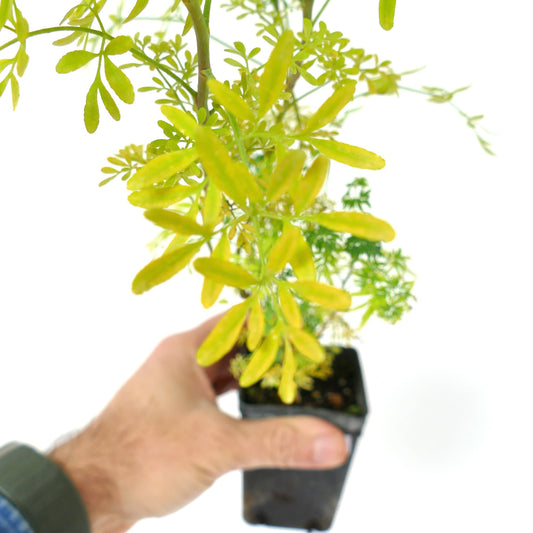
Several species within the Ruta genus, such as Ruta graveolens and Ruta chalepensis, feature characteristic blue-green foliage and small, bright yellow flowers arranged in clusters. These plants are native to the Mediterranean region but have spread to various temperate areas worldwide. Their morphological traits, including finely divided leaves with glandular dots, help reduce water loss, making them well suited for dry, rocky soils. Moreover, their strong aroma serves as a natural deterrent against herbivores and some insect pests.
Key Features of Ruta Plants
Ruta species display considerable resilience, tolerating drought and poor soil conditions that limit other plants' growth. They often grow in scrublands, rocky slopes, and disturbed habitats, showcasing ecological versatility. These adaptations include a deep root system to access water and a waxy leaf surface to minimize transpiration. The small yellow flowers attract various pollinators, such as bees and butterflies, contributing to local biodiversity.
Growing and Caring for Ruta Plants
To cultivate Ruta plants successfully, provide well-drained soil and full sun exposure, as they require ample sunlight for optimal growth. These herbs demand minimal watering once established, reflecting their drought-resistant nature. Gardeners often use them in herbal gardens, rock gardens, or as border plants due to their compact form and aromatic foliage. However, caution is necessary when handling Ruta leaves, as they contain compounds that can cause skin photosensitivity or irritation, especially under direct sunlight.
Key cultivation tips include:
- Planting in soil with good drainage to prevent root rot
- Ensuring exposure to at least six hours of sunlight daily
- Watering sparingly to mimic their natural dry habitats
- Using gloves when pruning or harvesting to avoid skin reactions
- Pruning after flowering to maintain shape and encourage new growth
Traditional and Modern Uses of Ruta
Throughout history, Ruta species have held significant roles in herbal medicine, culinary uses, and even pest control. Traditional remedies utilize rue for its digestive, anti-inflammatory, and antimicrobial effects, although its use requires caution due to potential toxicity in large doses. Some cultures incorporate small amounts of rue leaves or seeds in cooking for flavoring, while others use extracts as natural insect repellents. Scientific studies continue to explore the bioactive compounds in Ruta that contribute to its medicinal potential.
Ecologically, Ruta plants also support pollinators and serve as host plants for certain butterfly species, enhancing ecosystem health. Their presence in gardens can promote biodiversity and reduce the need for chemical pesticides.