Picea

Discover our Picea collection, featuring hardy, evergreen conifers known for their dense, needle-like foliage and symmetrical, conical shape. Commonly known as Spruce Trees, Picea species are native to the cooler regions of the Northern Hemisphere and include popular varieties like Norway Spruce and Blue Spruce. These trees are valued for their vibrant green or blue foliage and resilience to cold climates. Thriving in full sun and well-draining soil, Picea is ideal for landscaping, windbreaks, and adding year-round structure and greenery to large gardens and parks.

Collection: Picea

Picea: The Majestic Spruce Trees

The Picea genus, commonly known as spruce, includes a wide variety of coniferous trees valued for their aesthetic appeal, durability, and ecological adaptability. These trees belong to the Pinaceae family and are widely distributed across the cool temperate and boreal regions of the Northern Hemisphere. Their evergreen needles and distinctive conical shapes contribute significantly to forest ecosystems, providing habitat and food for numerous wildlife species.

Picea Abies: The Norway Spruce

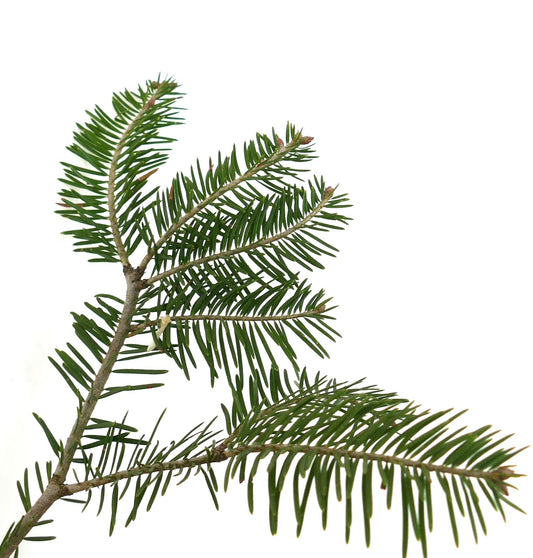
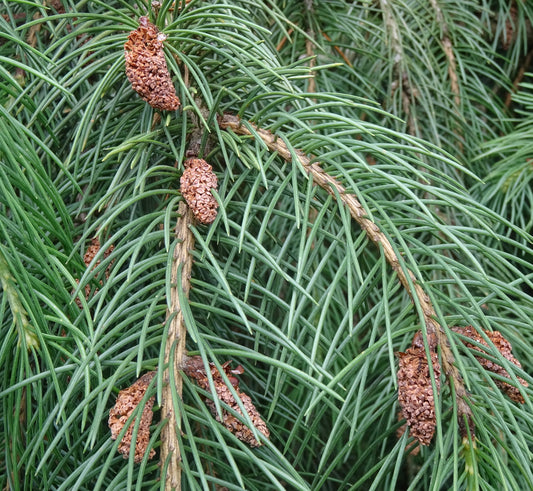
The Picea abies, or Norway spruce, is a prominent evergreen species native to Europe. It features a symmetrical form with dense, dark green needles that grow on pendulous branches. This species adapts well to various soil types but prefers moist, well-drained soils. Ecologically, it plays a crucial role in forest succession and offers shelter to birds and mammals. The Norway spruce is extensively used in landscaping, timber production, and as Christmas trees due to its fast growth and attractive appearance.

Picea Glauca: The White Spruce

Known as the white spruce, Picea glauca thrives in cold, northern climates, particularly across Canada and parts of the northern United States. This species is characterized by its light green to bluish needles and slender, conical crown. Its ecological role includes stabilizing soils and supporting boreal forest biodiversity. The compact cultivar, Picea glauca conica, is especially valued in horticulture for small gardens and bonsai due to its slow growth and dense form.

Picea Pungens: The Colorado Blue Spruce

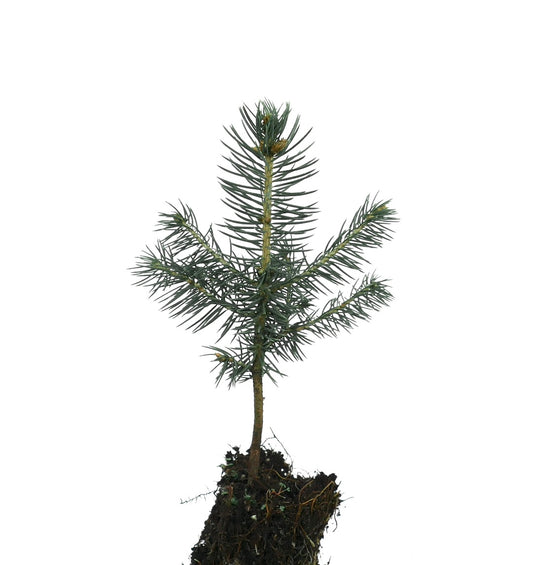
The Colorado blue spruce (Picea pungens) stands out for its striking silvery-blue needles, which result from a waxy coating that reduces water loss. Native to the Rocky Mountains, it thrives in mountainous, well-drained soils and endures cold temperatures and dry conditions. This species supports local wildlife by providing cover and nesting sites. Its ornamental qualities make it a popular choice for gardens and parks, adding color contrast and texture.

Caring for Picea Trees

Picea trees generally require minimal maintenance when planted in suitable environments. They prefer full sunlight and well-draining, slightly acidic to neutral soils. These conifers exhibit resilience to harsh weather, including cold winters and moderate drought. Species such as Picea sitchensis (Sitka spruce) and Picea mariana (black spruce) are adapted to coastal and wetland habitats, respectively, demonstrating the genus's ecological versatility. These species contribute to carbon sequestration and soil conservation in their native ecosystems.

  • Adaptation to diverse habitats, from mountainous regions to wetlands
  • Importance in supporting forest wildlife and biodiversity
  • Resistance to environmental stresses like cold and drought
  • Use in reforestation and soil stabilization projects
  • Varieties suitable for ornamental horticulture and bonsai cultivation

Exploring the genus Picea reveals its botanical diversity and ecological significance. Whether for natural landscapes, conservation efforts, or horticultural pursuits, spruce trees contribute vital functions and enduring beauty to their environments.