
Pinus
-
Pinus aristata
Regular price From €85,00 EURRegular price -
Pinus attenuata (Baja California, MEXICO)
Regular price From €60,00 EURRegular price -
Pinus banksiana
Regular price From €62,00 EURRegular price -
Pinus banksiana cv ARKTIS
Regular price From €72,00 EURRegular price -
Pinus brutia var. pityusa
Regular price From €165,00 EURRegular price -
Pinus bungeana
Regular price From €170,00 EURRegular price -
Pinus cembra
Regular price From €58,00 EURRegular price -
Pinus cembra COMPACT GLAUCA
Regular price From €78,00 EURRegular price -
Pinus cembra cv SARTORI
Regular price From €64,00 EURRegular price -
Pinus cembra form GLAUCA
Regular price From €75,00 EURRegular price -
Pinus contorta
Regular price From €60,00 EURRegular price -
Pinus contorta SPAAN'S DWARF
Regular price From €74,00 EURRegular price -
 Sold out
Pinus cooperi
Regular price From €200,00 EURRegular price -
 Sold out
Pinus cubensis
Regular price From €175,00 EURRegular price -
Pinus densiflora cv 'TAMOYOSHO COMPACTA'
Regular price From €65,00 EURRegular price -
Pinus densiflora cv ALICE VERKADE
Regular price From €65,00 EURRegular price -
Pinus densiflora cv OCULIS DRACONIS VARIEGATED
Regular price From €85,00 EURRegular price -
Pinus densiflora cv RAINBOW VARIEGATED
Regular price From €85,00 EURRegular price -
Pinus densiflora cv UMBRACULIFERA
Regular price From €74,00 EURRegular price -
Pinus densiflora var. pendula
Regular price From €65,00 EURRegular price -

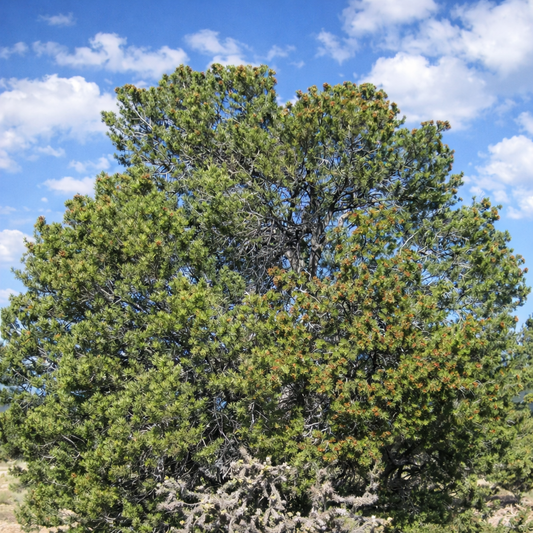 Sold out
Pinus edulis
Regular price From €180,00 EURRegular price -
Pinus elliottii
Regular price From €180,00 EURRegular price -
 Sold out
Pinus fenzeliana
Regular price From €180,00 EURRegular price -
Pinus flexilis
Regular price From €80,00 EURRegular price


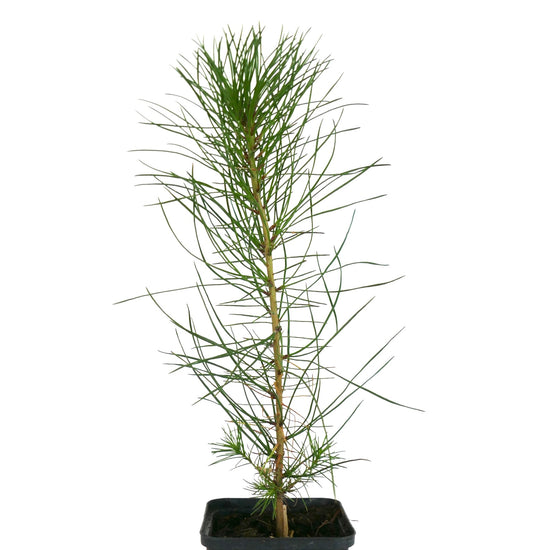

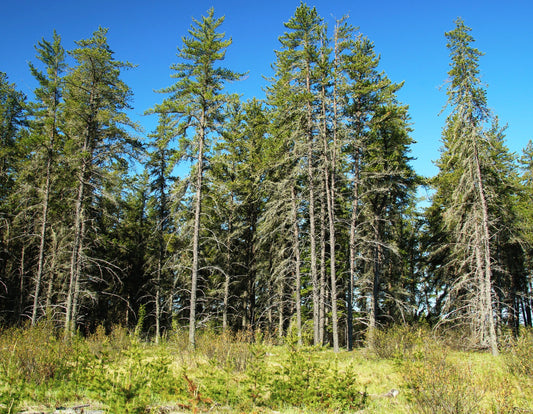


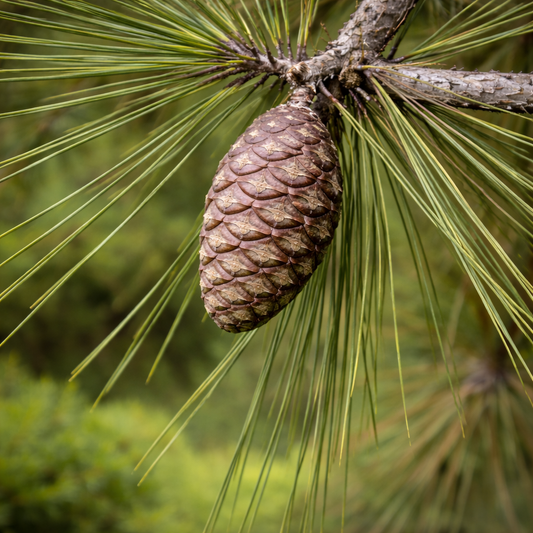

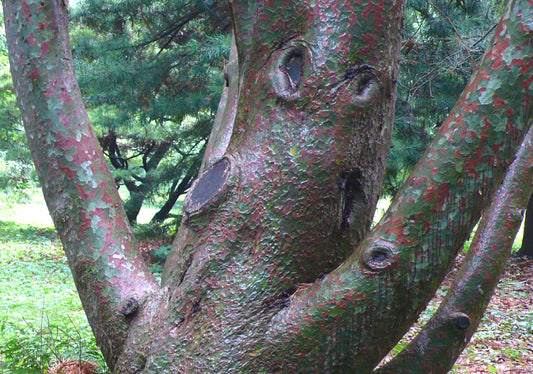


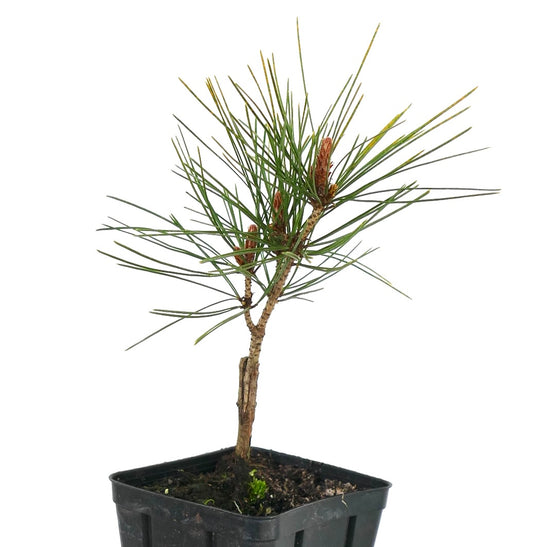

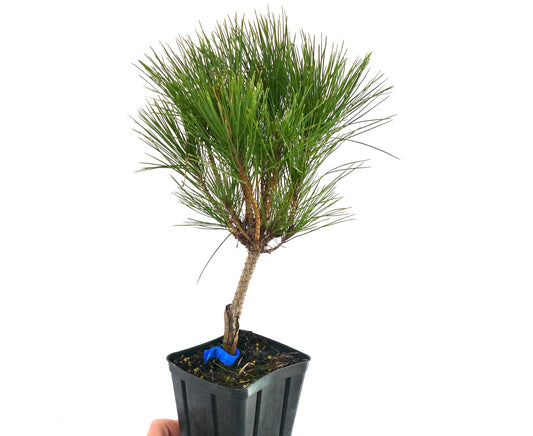

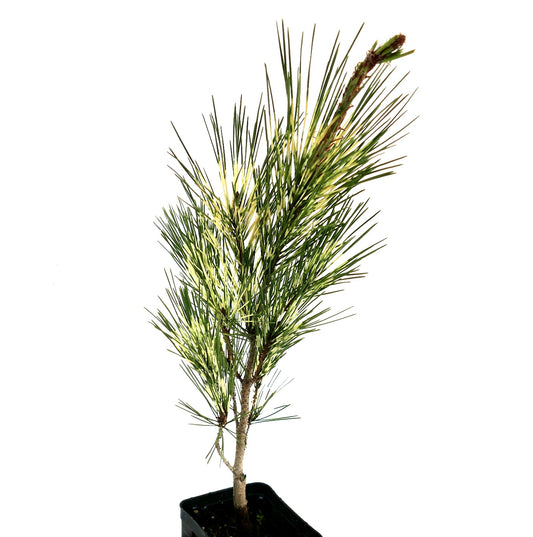


Collection: Pinus
Pinus: The Iconic Pine Trees
The Pinus genus, commonly known as pine trees, includes some of the most well-known and versatile conifers. These trees are celebrated for their evergreen needles, adaptable nature, and numerous uses in landscaping, construction, and as decorative elements.
In ecological terms, they play a key role in temperate forest ecosystems, contributing to biodiversity by supporting countless insects, birds, and small mammals that rely on them for shelter, nesting, and food.

White Pine and Eastern White Pine
The white pine (Pinus strobus) is a classic species prized for its tall stature and soft needles. Its subspecies, the eastern white pine, is highly sought after for its rapid growth and aesthetic appeal, making it ideal for both ornamental and practical purposes.
With its symmetrical form and delicate needle clusters, it is also a favorite in historical gardens and arboretums. Its timber is valued for construction and carving, while its canopy offers cool shade in parks and open landscapes. In mixed plantings, it contrasts effectively with deciduous trees and broadleaf evergreens.

Pinus Sylvestris and Pinus Ponderosa
Known as the Scots pine, Pinus sylvestris is a hardy and adaptable species perfect for diverse climates. Similarly, the Pinus ponderosa, or ponderosa pine, is admired for its majestic height and thick, aromatic bark.
Both species are widely used in habitat restoration projects due to their deep roots, which help prevent erosion and stabilize soil in sloped or degraded areas. Their cones serve as seasonal food for native fauna, while their bark layers support lichen, mosses, and fungi important for microhabitats.
Caring for Pine Trees
Pine trees, including species like Pinus taeda and Pinus banksiana, thrive in well-draining soil and full sunlight. Their resilience and low maintenance make them an excellent choice for gardens, reforestation projects, and as windbreaks.
Regular mulching helps retain soil moisture and suppress weeds without affecting airflow. In areas prone to drought or fire, their natural adaptations—such as thick bark or high canopies—offer advantages for both survival and environmental safety. These characteristics make them useful in fire-wise landscaping and dryland forestry initiatives.

Common Applications and Landscape Uses
-
Long-lived structural elements in designed landscapes
-
Reforestation and ecological rehabilitation projects
-
Year-round visual interest through needle color and cone form
-
Support for local biodiversity through habitat and food sources
-
Windbreaks, soil retention, and microclimate creation in rural zones
-
Timber, resin, and aromatic oil harvesting in managed woodlots
With their stately presence and broad ecological value, these trees remain a cornerstone in both ornamental horticulture and environmental planning. Their adaptability to varied soils and climates—along with their visual and functional contributions—ensures their continued relevance in sustainable land management and landscape architecture.
Other Collections in the Archive
-

Specimen Plants
Specimen Plants in our Store Specimen Plants captivate plant enthusiasts with their...
-
Catalogue Plants
Catalogue plants provide a wide variety of options to elevate your garden...
-

Gardening Tools & Soils
Gardening tools – essentials for healthy soils and thriving plants Building a...


