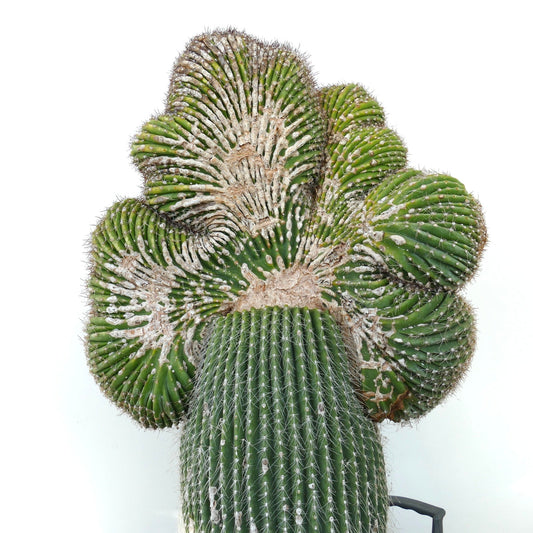
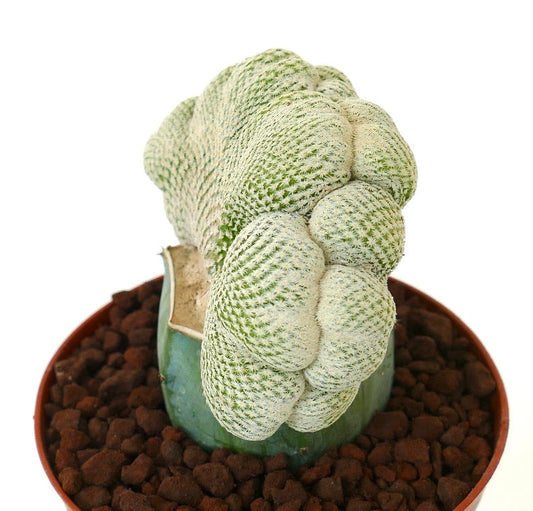
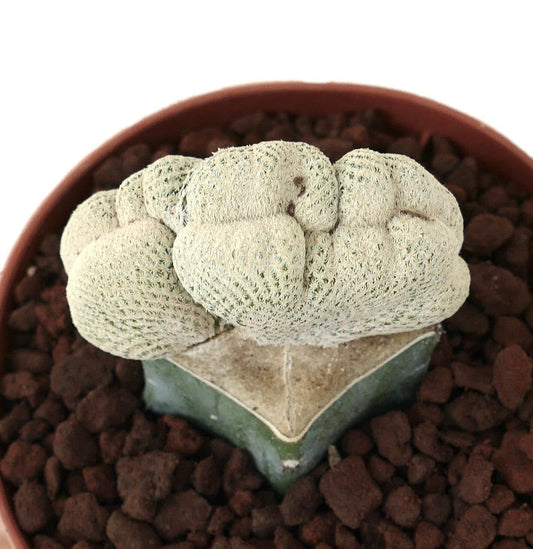
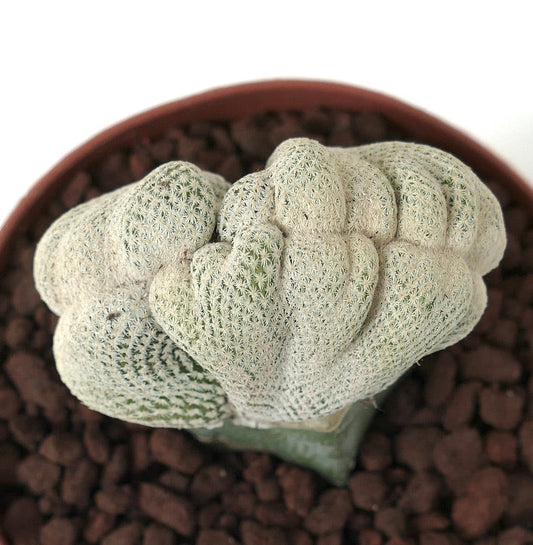
Discover the Unique Beauty of Crested Plants
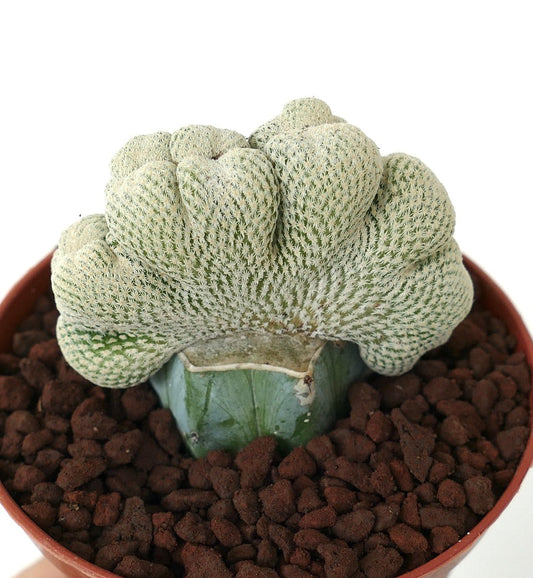
Crested plants exhibit fascinating growth patterns, making them a must-have for plant collectors.
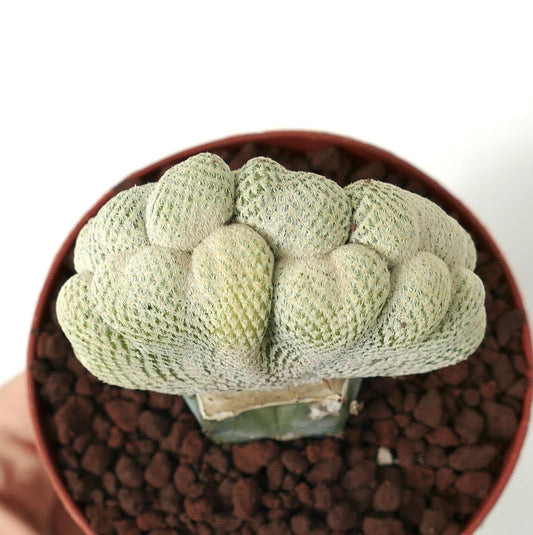
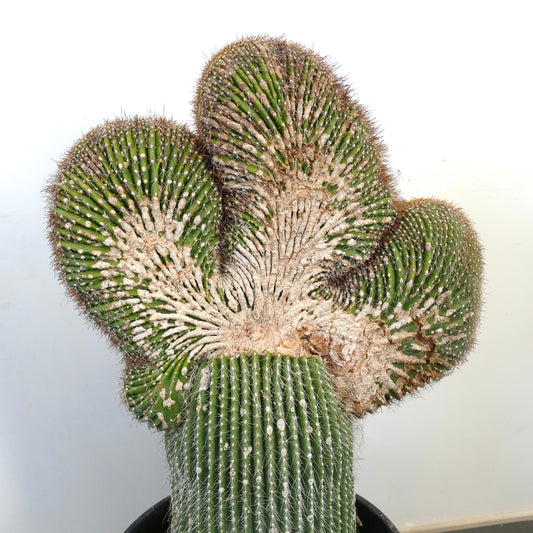
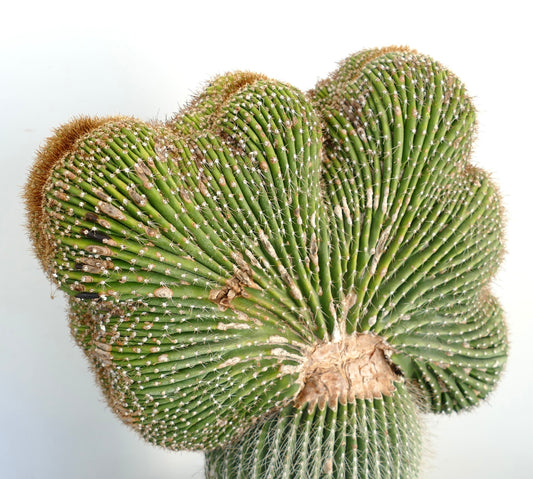
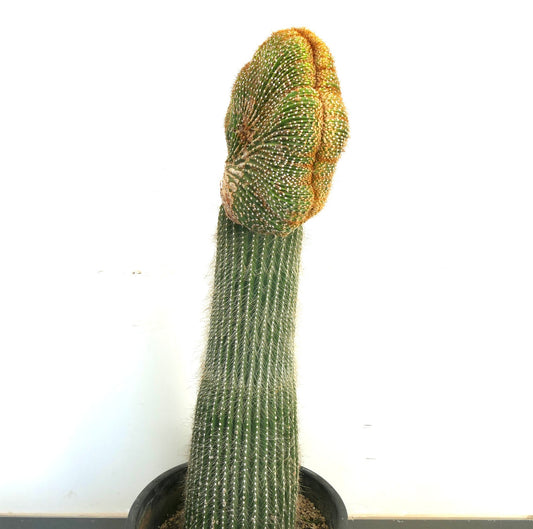
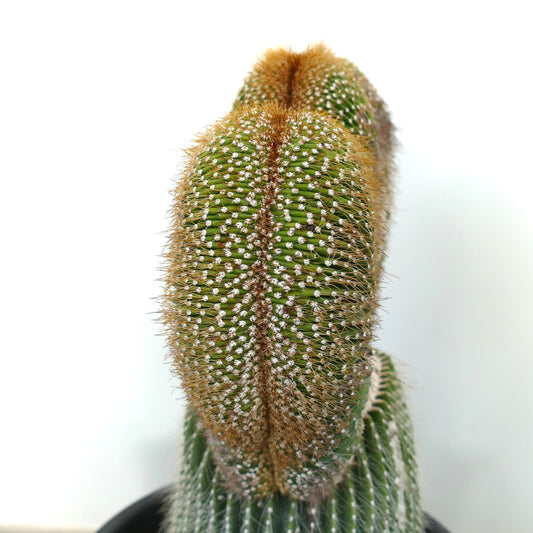
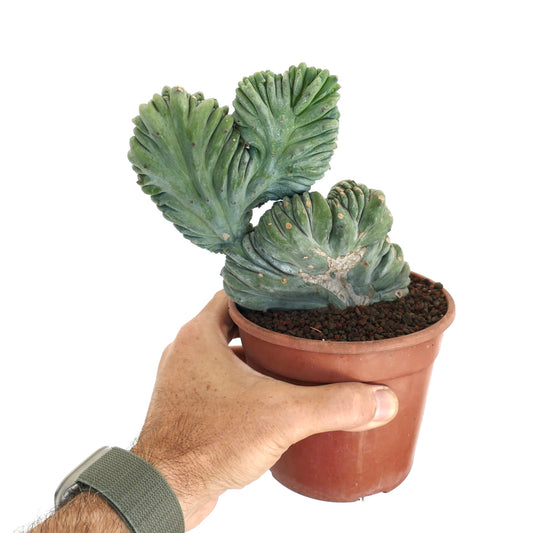
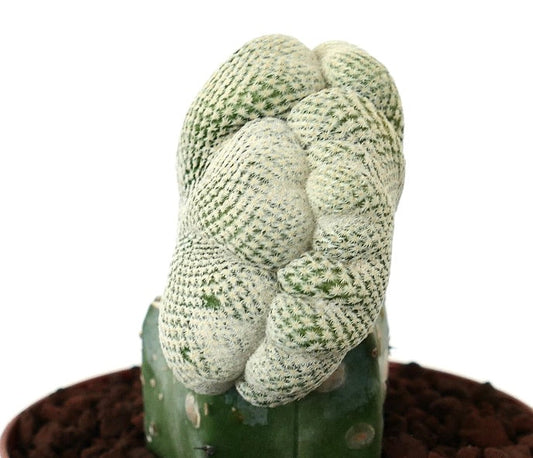
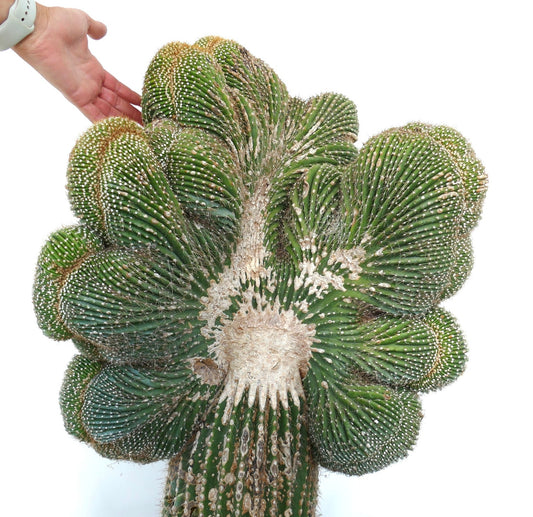
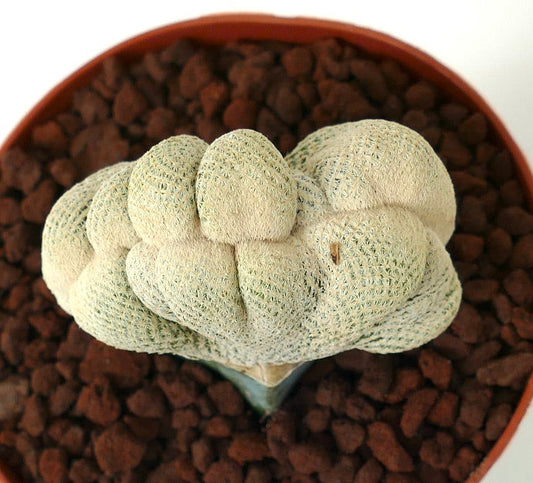
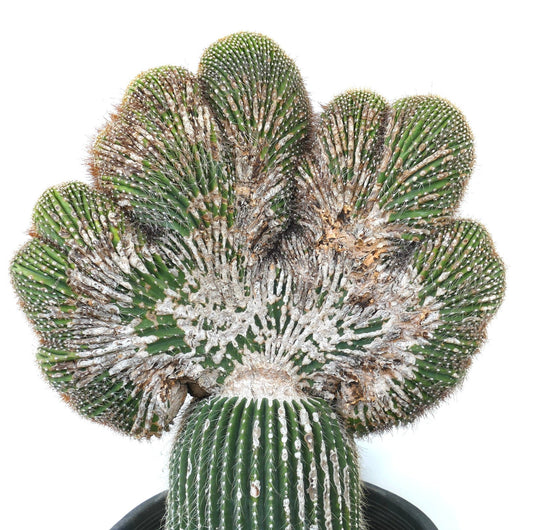
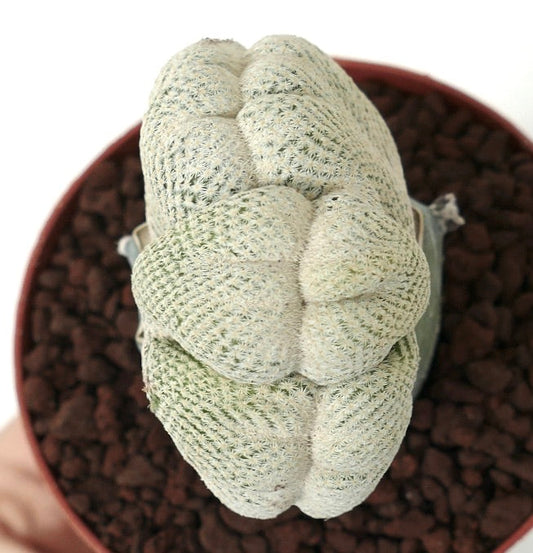
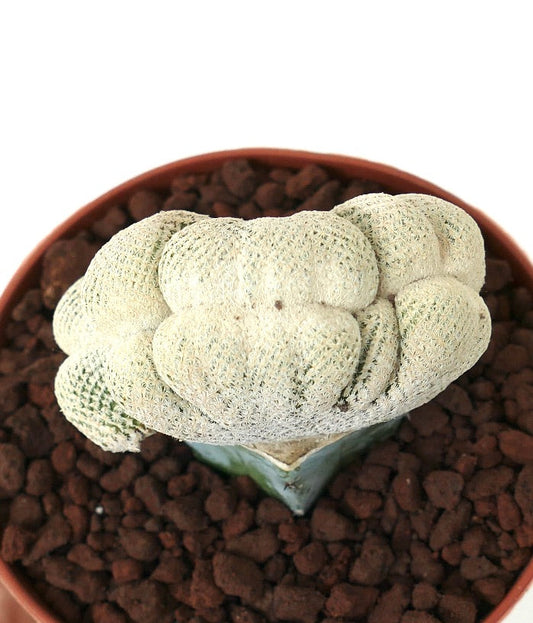
These rare botanical mutations occur when the plant’s apical meristem—its primary growth point—divides or flattens unexpectedly, resulting in fan-shaped, undulating, or contorted growth that defies traditional plant symmetry. Crested cactus and crested euphorbia are among the most popular forms, showcasing mesmerizing ridges, swirls, and coral-like structures that can resemble abstract sculptures. Each specimen is unique, evolving its own distinct silhouette over time, which adds to its value and allure. These plants are naturally occurring oddities, yet they thrive under the right conditions, making them not just collector’s curiosities but living works of art. Whether used as dramatic focal points in minimalist interiors or featured in eclectic xeriscapes, indoor crested plants and outdoor crested plants bring a surreal beauty to any setting. From the subtle curves of a crested echeveria to the bold fans of a crested myrtillocactus geometrizans, these plants capture the imagination and elevate botanical design.

Caring for Crested Cactus and Succulents
Proper crested plant care involves using a well-draining crested cactus soil, maintaining the right watering schedule, and ensuring proper sunlight exposure.
Because of their unusual growth structure, crested plants can be slightly more sensitive to environmental changes than their standard forms. The key to success is creating a stable, arid microclimate that promotes slow, healthy development without excess moisture. Use a gritty, mineral-rich mix with pumice or perlite to improve aeration and drainage. Water sparingly, only when the soil is completely dry—generally every 2 to 4 weeks, depending on the season. Overwatering can quickly lead to rot, especially along the crested growth lines where water can collect. Full to partial sun is ideal; bright indirect light is preferred indoors, while outdoor plants can handle several hours of direct sun daily. While many low-maintenance crested plants like the crested saguaro cactus or crested euphorbia lactea are drought-tolerant, they still appreciate consistent light and protection from frost or sudden humidity spikes. Fertilize lightly during the growing season using a diluted cactus fertilizer, and avoid disturbing the plant’s crest, which can be fragile. Repot only when necessary, ideally in shallow containers that allow the sculptural shape to be admired from multiple angles.

Best Crested Plants for Your Home and Garden
Decorate with potted crested plants, design an exotic crested garden, or create a crested plant arrangement.
From indoor shelves to outdoor rockeries, crested plants offer endless design possibilities. For indoor use, opt for compact varieties like crested echeveria, crested haworthia, or crested aloe, which thrive in decorative pots and require minimal care. Their dramatic, wave-like crests make them ideal conversation starters and sculptural centerpieces. Outdoors, more robust options like crested myrtillocactus, crested euphorbia ingens, or crested trichocereus can be used to anchor arid landscape beds or raised planters, especially in Mediterranean and desert-inspired gardens. Mixing different species creates captivating contrasts in texture, height, and color—perfect for a dedicated crested garden or part of a xerophytic plant arrangement. Whether displayed individually or as part of a composition, these rare crested cactus varieties and unusual crested succulents infuse your space with an avant-garde botanical aesthetic that defies expectation. Each plant brings not only beauty but also a narrative of natural mutation and rarity, making them ideal for collectors and designers alike.