Collection: Cercis Seeds
Cercis Seeds: Cultivate Stunning Ornamental Trees
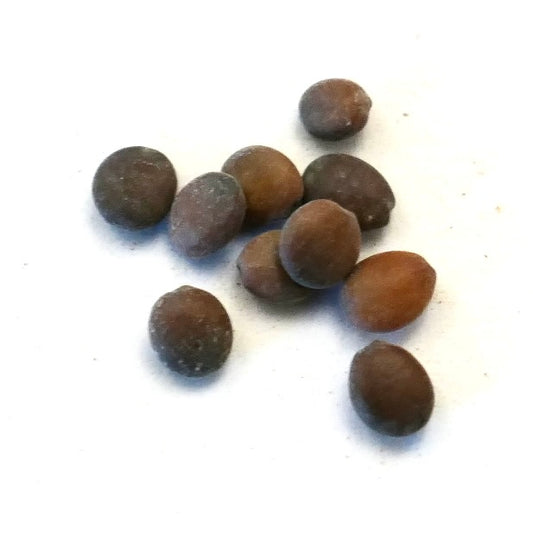
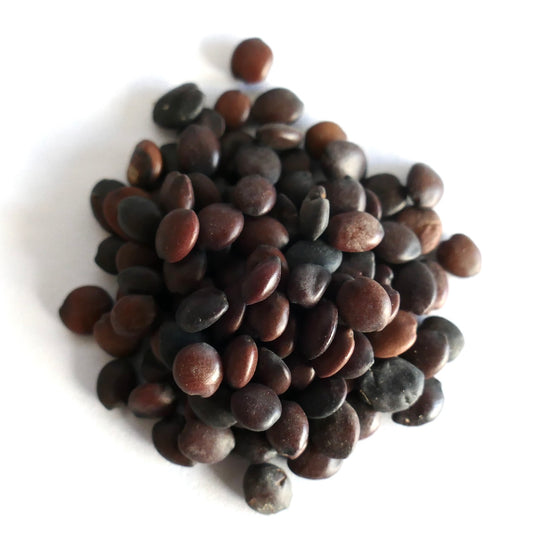
Cercis seeds produce trees renowned for their vibrant flowers and distinctive heart-shaped leaves. These trees enhance gardens with their ornamental value and contribute ecologically by supporting pollinators. They adapt well to various environments, making them an excellent choice for both urban and rural landscapes.
Cercis Canadensis: The Eastern Redbud
The Cercis canadensis, commonly called the Eastern Redbud, displays striking pink blossoms and attractive foliage in spring. Growing this species from Cercis seeds offers gardeners a reliable way to introduce a visually appealing tree that fits well in small yards and larger parks. This species naturally occurs across eastern North America, thriving in woodlands and along streams, where it plays a role in local ecosystems by providing nectar for bees and habitat for birds.
Variety and Versatility
The genus Cercis includes several varieties such as Cercis siliquastrum (Judas Tree) and Cercis 'Rising Sun', each with unique characteristics. For example, the Judas Tree is native to Southern Europe and western Asia and is known for its deep purple flowers and distinctive seed pods. These trees adapt to different climatic zones, from temperate to Mediterranean regions, demonstrating their versatility. They also improve soil quality by fixing nitrogen, which benefits surrounding plants.
These trees provide multiple ecological benefits, including attracting pollinators like bees and butterflies. Additionally, their seeds serve as food for certain bird species, establishing important ecological relationships. Gardeners value these trees not only for their ornamental appeal but also for their role in supporting biodiversity.
Easy to Grow and Maintain
Cercis seeds germinate best in well-drained soils with access to full sun or partial shade. These trees show drought tolerance once established and require minimal pruning. Their growth habit suits various landscape designs, and they rarely suffer from serious pests or diseases.
In cultivating Cercis seeds, consider the following key points:
- Select a planting site with good drainage and moderate sunlight.
- Scarify or soak seeds before planting to improve germination rates.
- Water young plants regularly until well established.
- Provide occasional mulch to conserve soil moisture and regulate temperature.
- Monitor for common pests, though infestations are uncommon.
Overall, Cercis seeds offer an accessible way to grow beautiful, ecologically valuable trees that enhance landscapes with their colorful flowers and unique foliage.