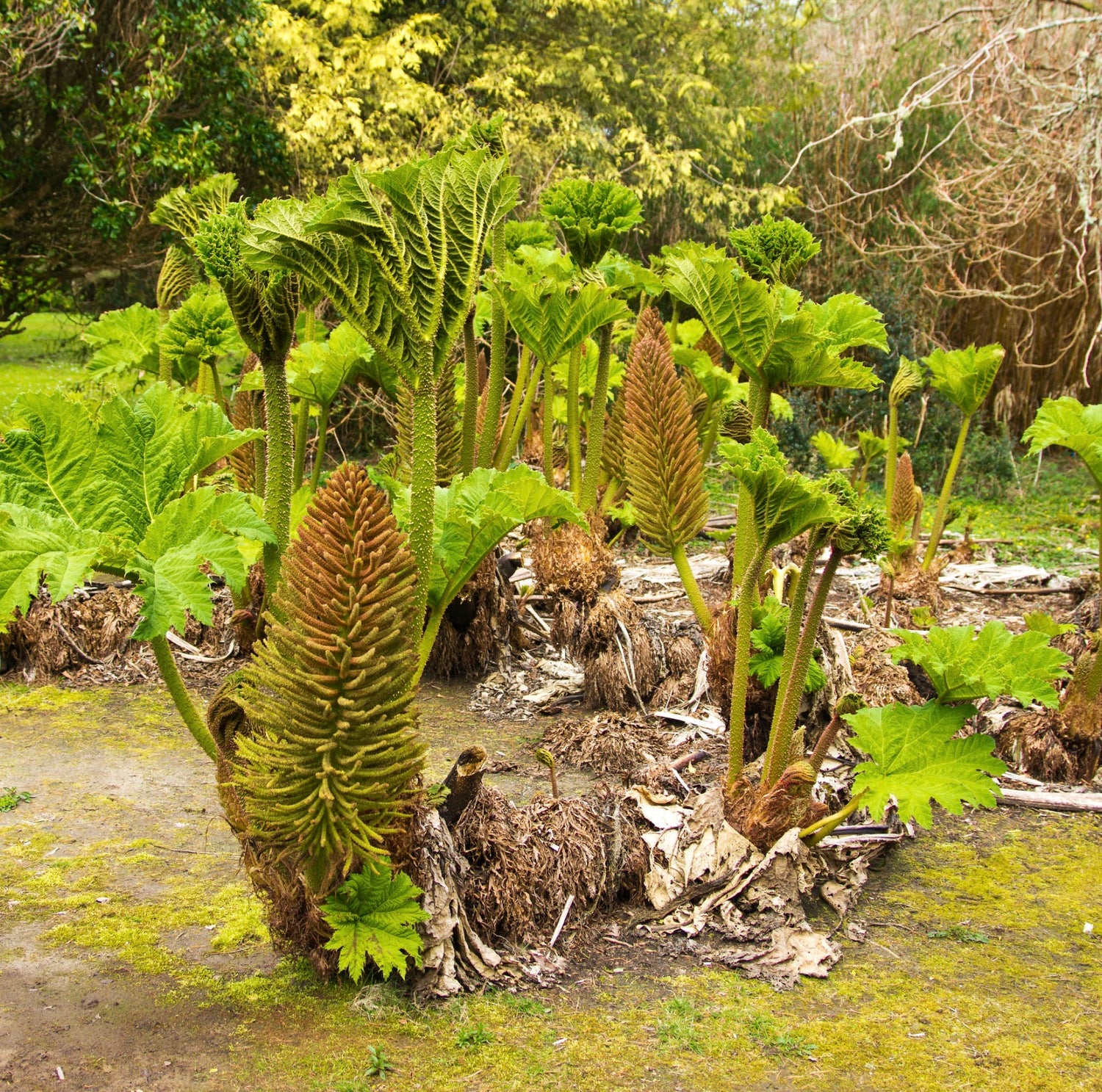
Callicarpa Plant Care and Information
The Callicarpa, also known as Beautyberry, is a genus of deciduous and evergreen shrubs famed for its clusters of vibrant purple berries and dense green foliage. Species such as Callicarpa americana, native to the southeastern United States, and Callicarpa bodinieri, found in East Asia, add remarkable color and texture to gardens throughout the year. These plants belong to the family Lamiaceae and are well-regarded for their ornamental and ecological qualities.
Introduction to Callicarpa
The Callicarpa genus comprises around 140 species distributed mainly across Asia, Australia, Madagascar, and the Americas. They typically grow in forest edges, open woodlands, and scrublands, adapting to a range of climates from temperate to subtropical regions. Morphologically, these shrubs feature opposite, ovate leaves and produce small, tubular flowers in late spring to summer, which develop into striking clusters of berries in late summer and autumn. These berries serve as an important food source for various bird species, aiding in seed dispersal and supporting local ecosystems.
Caring for Beautyberry Plants
Cultivating Callicarpa is straightforward due to its adaptability. The plants prefer well-draining soils rich in organic matter and flourish in full sun to partial shade. Consistent watering during the initial growing season establishes strong root systems, while mature plants tolerate some drought. Pruning after flowering encourages vigorous new growth and enhances berry production, especially in species like Callicarpa americana. Additionally, these shrubs exhibit moderate resistance to pests and diseases, making them suitable for low-maintenance gardens.
- Provide well-drained, fertile soil for optimal growth.
- Plant in locations receiving at least partial sunlight daily.
- Water regularly during dry spells, especially in the first year.
- Prune annually after berrying to maintain shape and promote fruiting.
- Monitor for common pests like aphids and treat as needed.
Benefits and Uses of Callicarpa
Besides their ornamental value, Callicarpa shrubs play a significant ecological role. Their berries attract birds such as thrushes and waxwings, which rely on the fruit during migration and winter months. The dense foliage provides shelter for small mammals and insects. Intriguingly, some studies indicate that extracts from Callicarpa bodinieri berries have insect-repellent properties, which may benefit surrounding plants by reducing pest populations. Gardeners often use these shrubs in naturalistic plantings, hedgerows, and wildlife gardens to enhance biodiversity.
Why Choose Callicarpa for Your Garden?
The Callicarpa offers a combination of aesthetic appeal and ecological advantages, making it an excellent choice for diverse garden settings. Its vivid berries create visual interest well into autumn and early winter, while its moderate size suits both small and large landscapes. The plant's adaptability to different soil types and light conditions further increases its versatility. Moreover, by supporting local fauna and contributing to habitat complexity, Callicarpa enriches garden ecosystems naturally.