Nolina: The Stunning and Resilient Plant
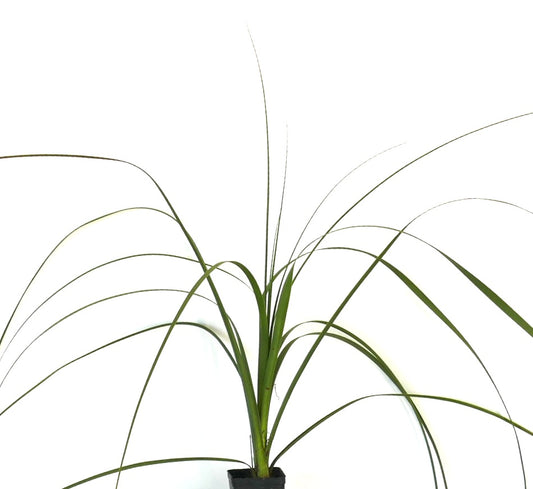
Nolina is a diverse genus of perennial plants native mainly to the arid and semi-arid regions of North and Central America. These plants have evolved to thrive in dry, often harsh environments by developing succulent-like features that enable them to conserve water efficiently. For example, the well-known Nolina recurvata, commonly called the Ponytail Palm, has a swollen, bulbous base that stores water, allowing it to survive extended droughts. Its long, slender, arching leaves create a distinctive, sculptural appearance, making it popular in both indoor and outdoor horticulture.
Nolina Plant Care and Propagation
Caring for a Nolina plant involves mimicking its natural habitat. These plants require bright, indirect sunlight and soil that dries out completely between waterings, reflecting their adaptation to arid conditions. They prefer well-draining, sandy or rocky soils that prevent root rot. For nolina plant propagation, gardeners usually rely on seed sowing or division of offsets, which promotes genetic diversity and vigorous growth. Maintaining good airflow around the plant and regularly checking for pests such as mealybugs or spider mites supports healthy development.
Nolina Nelsonii and Other Unique Varieties
The genus includes several remarkable species, including Nolina nelsonii, which stands out due to its blue-green, rigid leaves arranged in dense rosettes. Another notable member is the blue Nolina plant, valued for its unusual coloration and adaptability to rocky, desert-like habitats. These species often grow on rocky slopes and desert scrublands, where their extensive root systems help stabilize soil and reduce erosion. Additionally, they provide essential microhabitats and food sources for insects, small reptiles, and other desert fauna.
Nolina Plant Accessories and Benefits
Supporting the growth of Nolina plants can be enhanced by using specialized tools such as nolina plant care kits, which may include balanced fertilizers and appropriate watering equipment. Seeds and young plants from the Nolina plant family, including species like Nolina microcarpa, enable enthusiasts to cultivate diverse collections. Beyond their aesthetic appeal, these plants contribute ecologically by offering shelter and sustenance in xeric ecosystems, thus playing a vital role in maintaining biodiversity.
In summary, adding species such as Nolina recurvata and Nolina beaucarnea to botanical collections enriches both the visual environment and ecological complexity. Their resilience, morphological uniqueness, and ecological functions make them important subjects for scientific study and cultivation.
Key characteristics and ecological roles of Nolina plants include:
- Adaptation to arid climates through water-storing bases
- Provision of habitat and food sources for desert wildlife
- Propagation via seeds or offsets to maintain genetic diversity
- Preference for well-draining soil and bright light conditions
- Unique leaf structures that aid in water conservation and temperature regulation