Cycas Seeds: Grow Ornamental Palms
Discover the beauty of Cycas seeds, which serve as the foundation for cultivating elegant and resilient palms such as Cycas revoluta, commonly known as the Sago Palm. These ancient gymnosperms belong to the family Cycadaceae and are renowned for their unique appearance and tropical charm. They add a distinctive aesthetic to gardens and indoor spaces, thriving in environments that mimic their natural habitats.
Cycas Revoluta: A Timeless Favorite
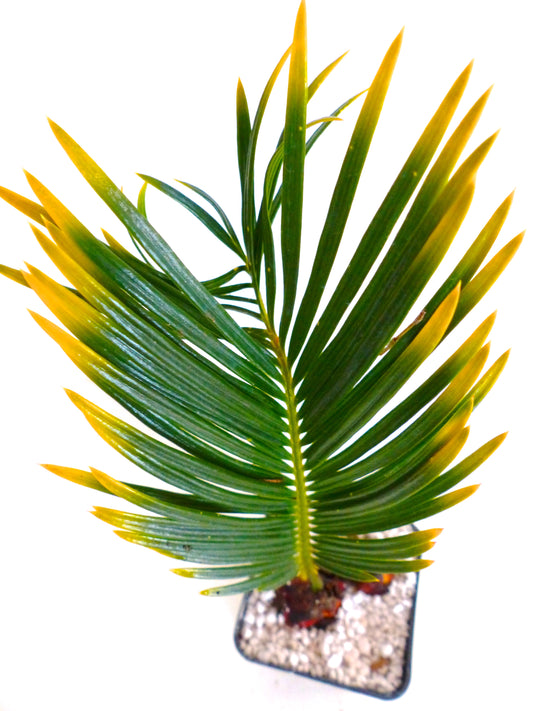
The Cycas revoluta is highly valued for its lush, dark green fronds that radiate in a symmetrical crown. This species grows slowly but steadily, making it an excellent choice for those seeking a durable and low-maintenance plant. Originating from southern Japan, it adapts well to subtropical and tropical climates. Growing Cycas seeds allows enthusiasts to cultivate these palms from the earliest stage, ensuring healthy development and longevity in various landscape designs.
Unique Features and Varieties
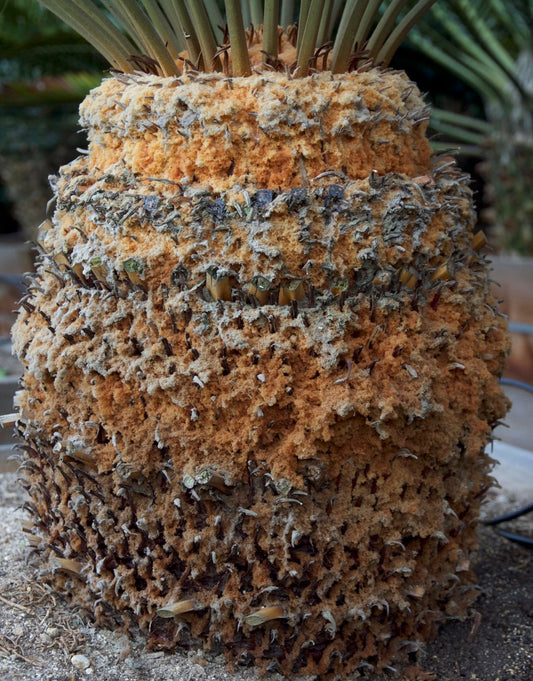
The genus Cycas comprises numerous species, each with distinctive traits. For example, Cycas circinalis features robust, arching leaves and is native to India and Sri Lanka, while Cycas pectinata displays a more spreading crown and thrives in the Himalayan foothills. These species prefer warm climates with well-drained, sandy or rocky soils. Their morphological adaptations include thick, leathery leaves that reduce water loss, and stout trunks that store nutrients, enabling survival in drought-prone regions.
These plants play important ecological roles, providing habitats and food sources for various insects and animals. Additionally, they form symbiotic relationships with nitrogen-fixing cyanobacteria in their roots, enhancing soil fertility. Below is a summary of key characteristics of Cycas species:
- Adapted to tropical and subtropical environments with seasonal dryness.
- Possess compound pinnate leaves that emerge in a spiral arrangement.
- Produce large, conspicuous seeds surrounded by a fleshy coat.
- Exhibit slow growth rates but long lifespans, often exceeding several decades.
- Maintain ecological balance by supporting pollinators like beetles and certain weevils.
Easy to Grow and Maintain
Growing Cycas seeds requires minimal care once established. They thrive with occasional watering and prefer bright, indirect sunlight, although mature plants tolerate full sun. These seeds germinate slowly, often taking several months, but patience results in robust seedlings. Gardeners appreciate their resilience to pests and diseases, contributing to their long-lasting beauty and appeal. Their adaptability to both indoor and outdoor cultivation makes them ideal for diverse settings.
In summary, cultivating Cycas seeds blends elegance with resilience, offering a unique botanical experience. These palms enrich ecosystems and landscapes alike, showcasing the evolutionary success of cycads through millions of years.