Dioon

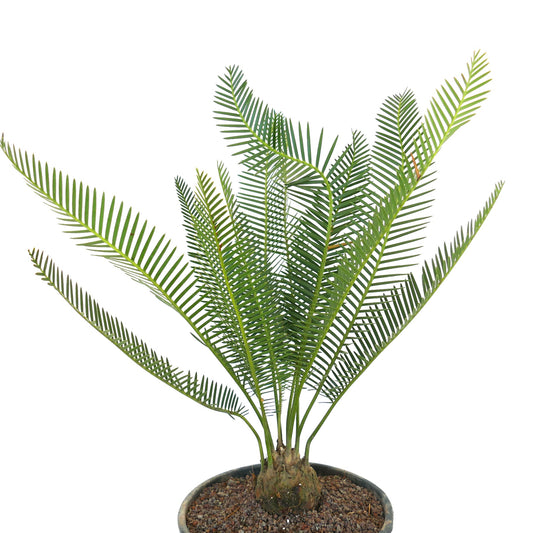
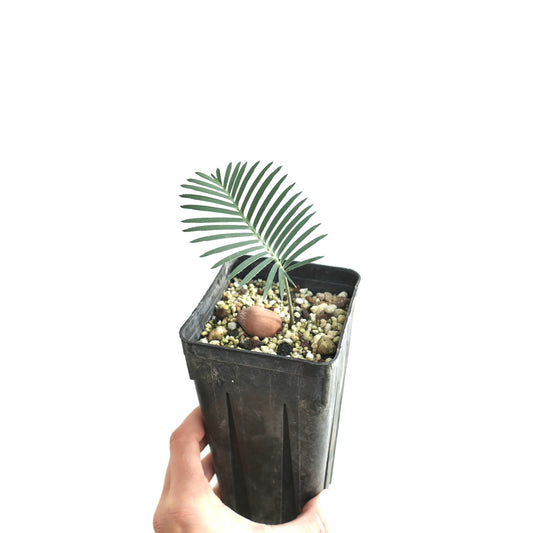
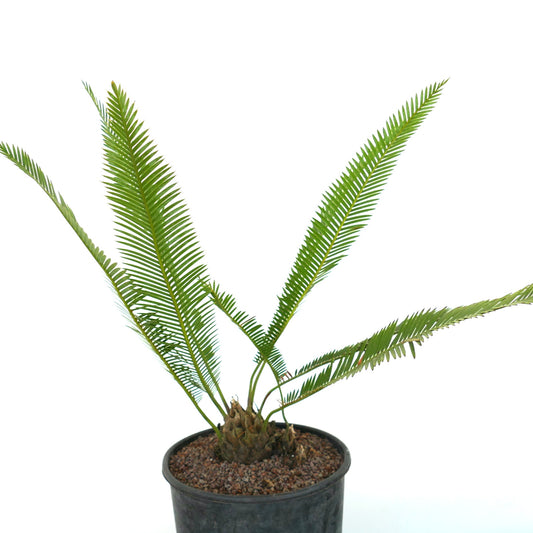
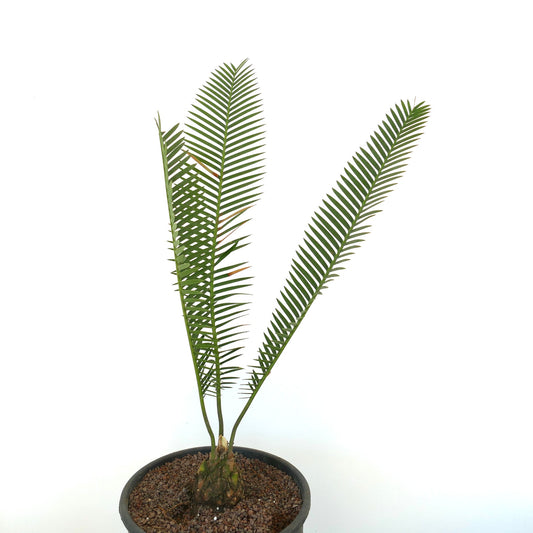
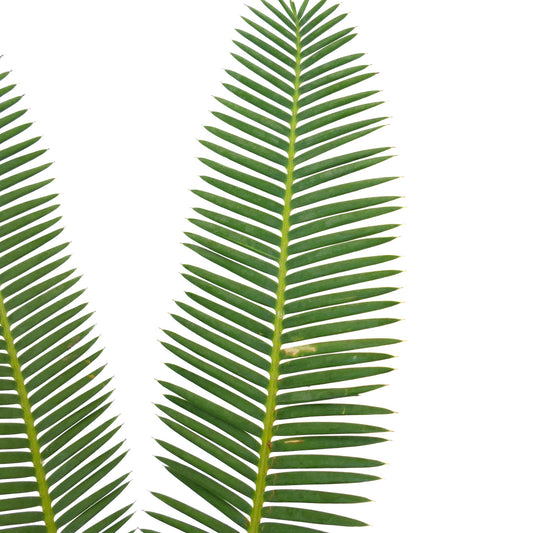
Explore our Dioon collection, featuring ancient, palm-like cycads admired for their lush, feathery fronds and sturdy, textured trunks. Native to Mexico and Central America, Dioon species are some of the oldest plants on Earth, with a striking prehistoric appearance that adds elegance to any garden. Their symmetrical rosettes of green, arching fronds make them perfect for tropical and desert landscapes alike. Thriving in full to partial sun, well-draining soil, and minimal watering, Dioon is an excellent choice for drought-tolerant gardens or as a bold indoor statement plant.
Collection: Dioon

Dioon: Ancient Elegance for Modern Gardens

The Dioon genus represents one of the most ancient lineages of cycads, a group of gymnosperms that have persisted since prehistoric eras. These plants embody a fascinating blend of evolutionary heritage and contemporary botanical importance. Native primarily to Mexico and Central America, Dioon species inhabit diverse environments, ranging from tropical forests to arid, rocky slopes. Their slow growth rate and distinctive morphology contribute significantly to ecological research and ornamental horticulture. Furthermore, these cycads have adapted to various climatic conditions, demonstrating remarkable resilience through specialized structures and physiological processes.
Dioon Edule: A Timeless Choice

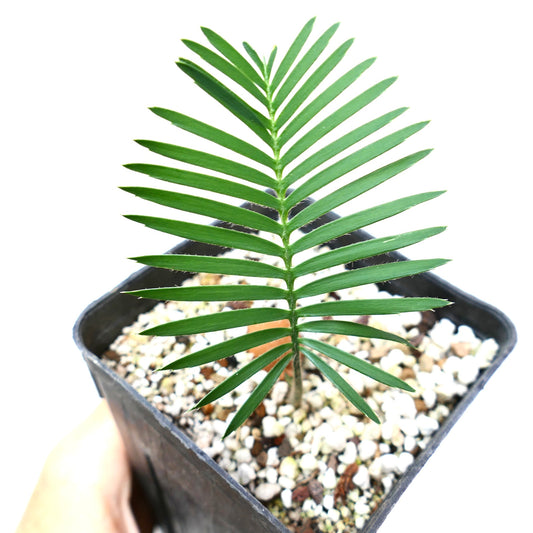
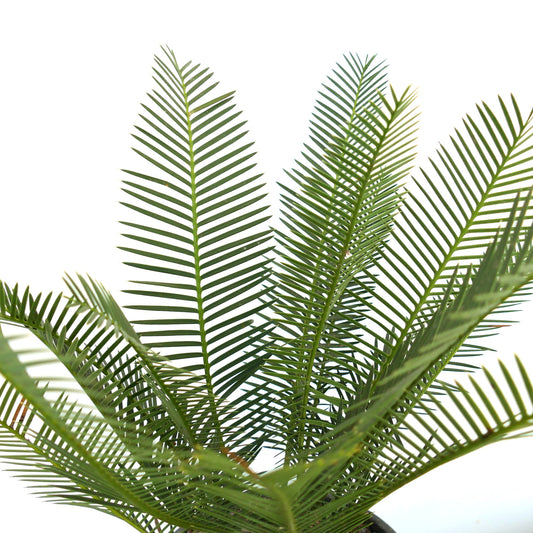
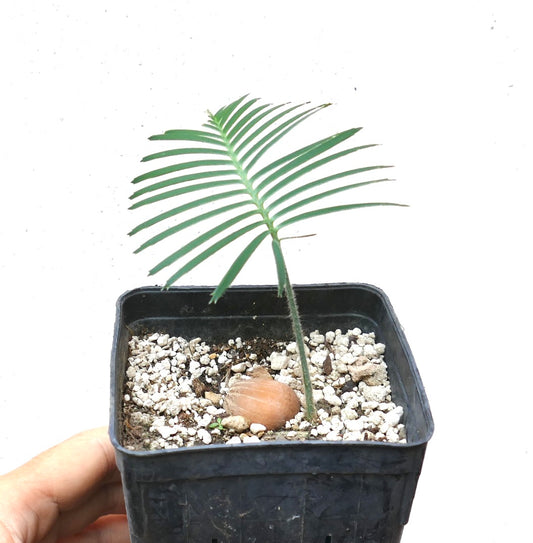
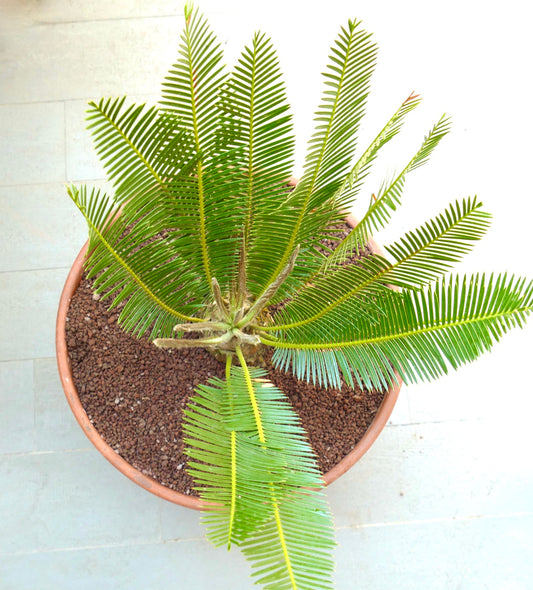
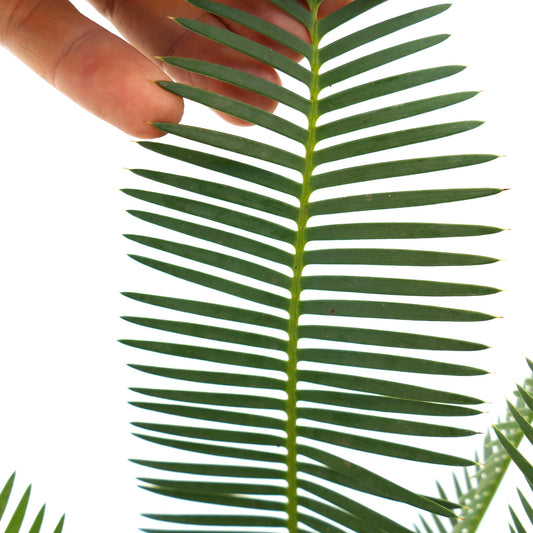
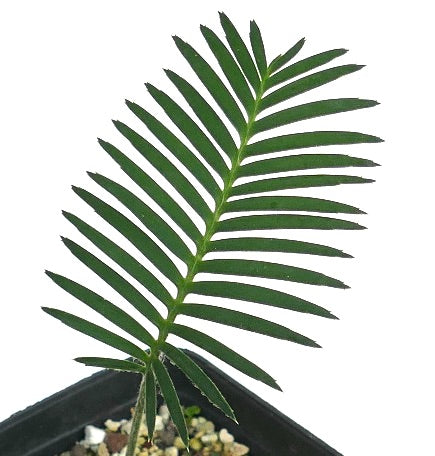
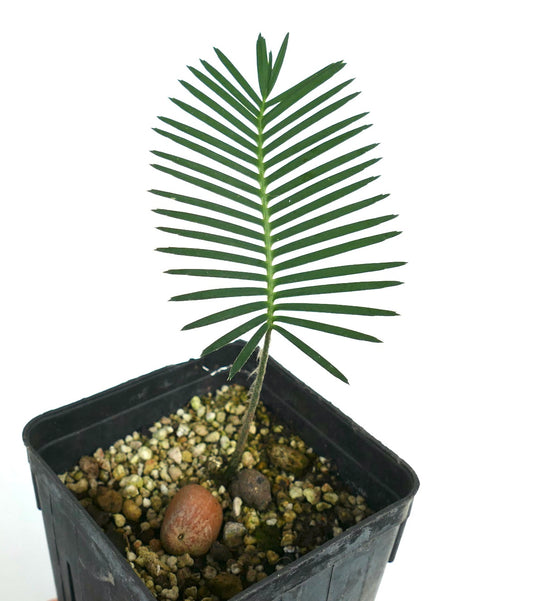
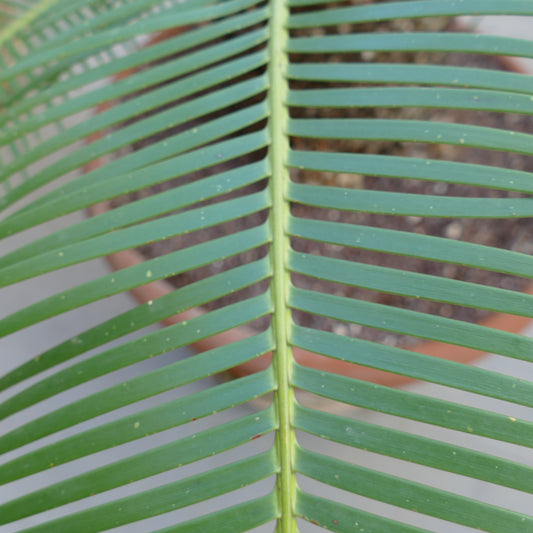
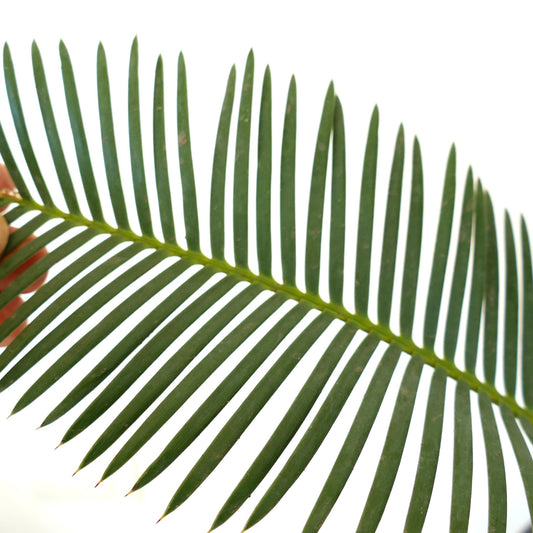
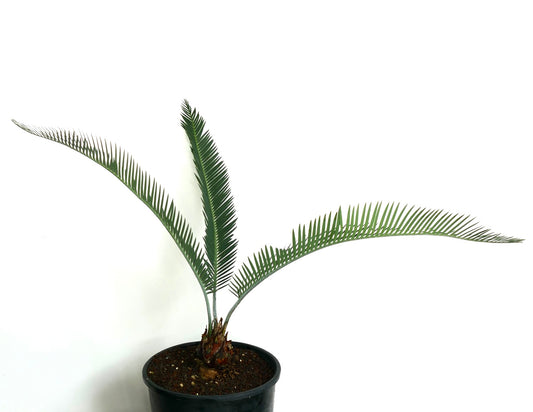
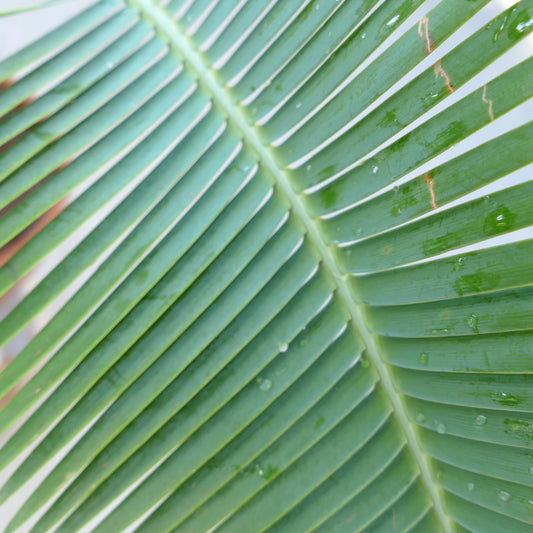
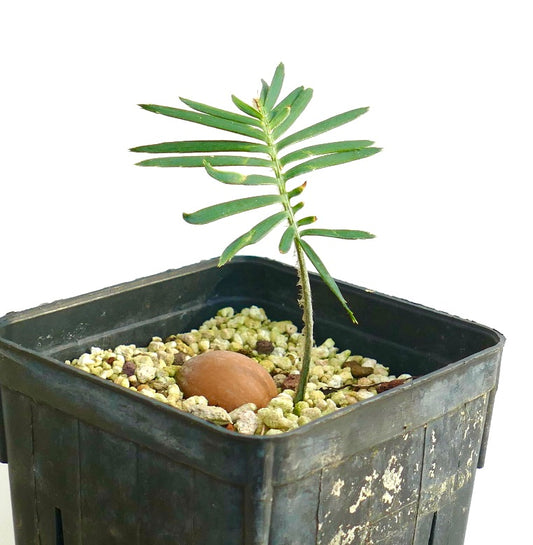
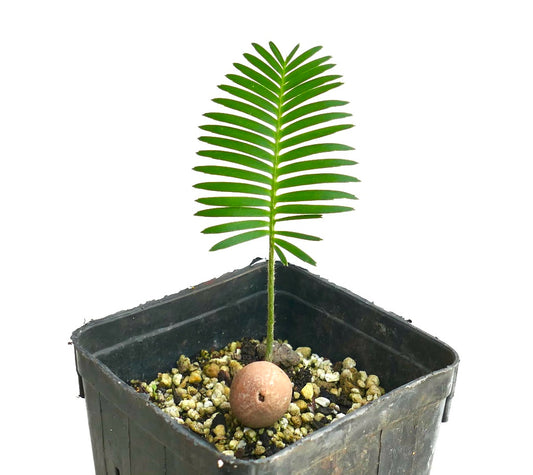
Dioon edule, commonly called the chestnut dioon, is among the most prominent species within this genus. It features pinnate, leathery leaves arranged in a feather-like pattern that remain evergreen year-round. This species thrives in well-drained soils, which vary from sandy to rocky textures, and exhibits strong drought tolerance as an adaptation to its native dry habitats. Its robust physiology enables survival through extended dry periods, making it a suitable plant for xeriscaping and sustainable landscaping methods. Additionally, Dioon edule contributes ecologically by providing shelter and food resources to various insects and small animals, thus supporting biodiversity in its native regions.

Caring for Dioon Plants

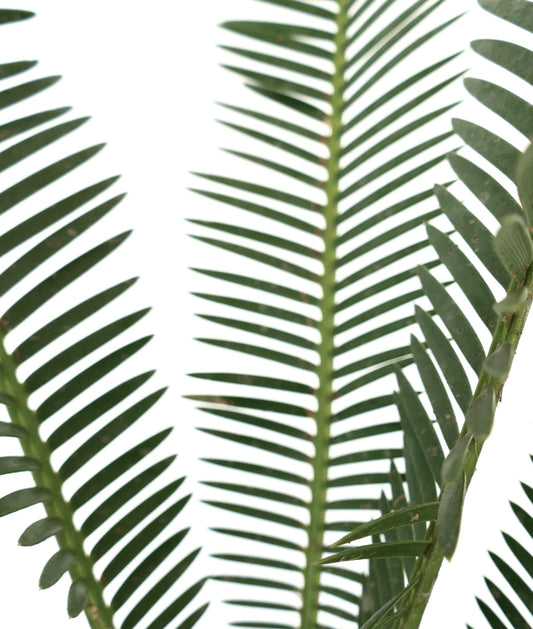
To cultivate Dioon plants successfully, place them in locations receiving full sunlight or partial shade, depending on the species and local climate. Ensure soils drain efficiently to prevent root diseases, and water moderately to mimic their natural dry season cycles. The Dioon edule plant shows remarkable hardiness and adapts well to subtropical and Mediterranean climates. This resilience allows it to maintain evergreen foliage with minimal maintenance while supporting local ecosystems by providing habitat for various insects and small animals. These cycads possess specialized morphological adaptations, such as thick stems and tough, spiny leaves, which reduce water loss and deter herbivores. Their reproductive cones produce compounds that attract specific pollinators, underscoring their ecological importance in native environments.

Moreover, these plants engage in symbiotic relationships with nitrogen-fixing cyanobacteria in their coralloid roots, enhancing soil fertility. Such interactions illustrate their integral role in ecosystem nutrient cycling. The slow growth of Dioon species is balanced by their longevity, which can span centuries, allowing them to stabilize habitats and contribute to long-term ecological succession.

Exploring Dioon Varieties

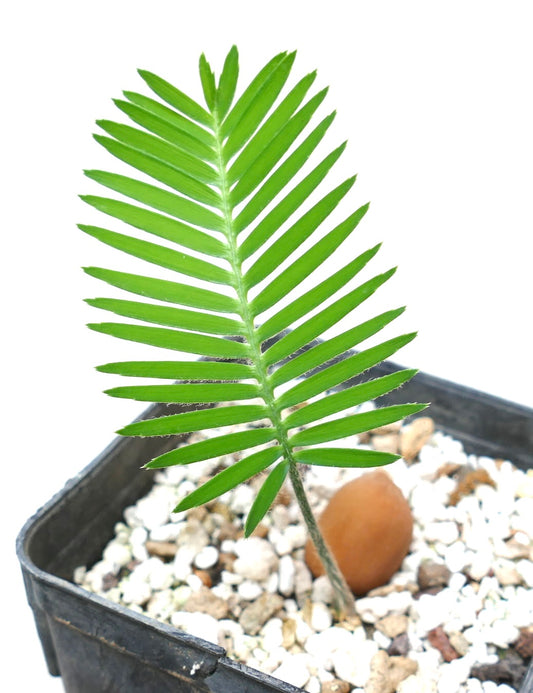
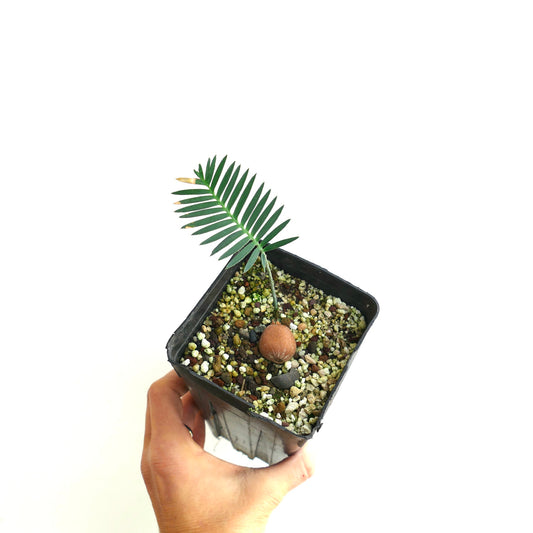
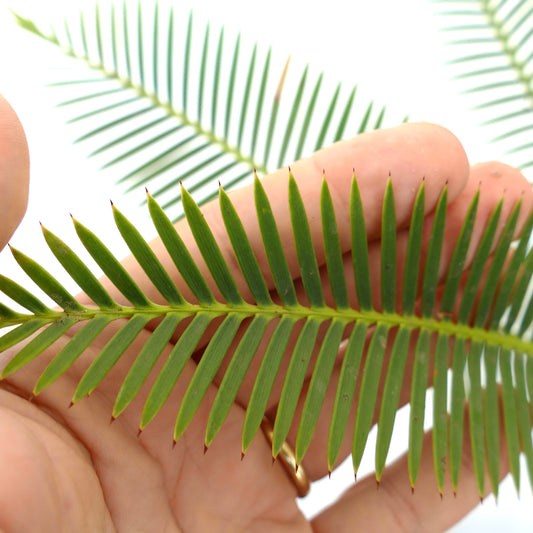
The Dioon genus encompasses several species that vary in leaf structure and habitat preferences. For instance, Dioon spinulosum is distinguished by its larger size and spiny leaflets, thriving in humid forest understories. Conversely, Dioon edule prefers drier, rocky soils. These differences influence their ecological roles and suitability for diverse garden settings. Each species exhibits unique adaptations that enable survival in particular microhabitats, reflecting evolutionary responses to environmental pressures.

Consider the following key characteristics of representative Dioon species:

  • Dioon edule: Evergreen with feathery leaves, drought-tolerant, native to dry Mexican regions.
  • Dioon spinulosum: Larger species with spiny leaflets, adapted to humid tropical forests.
  • Dioon mejiae: Indigenous to Honduras and Nicaragua, suited to moist, shaded habitats.
  • Dioon califanoi: Smaller species with compact growth, endemic to limestone outcrops.
  • Dioon rzedowskii: Rare species with narrow leaflets, confined to specific Mexican habitats.

These species contribute to biodiversity and represent living links to ancient plant lineages. Their slow growth and unique forms make Dioon plants valuable for scientific study and conservation efforts. Ecologically, they provide critical habitat complexity and resources for pollinators and seed dispersers, promoting healthy ecosystem dynamics. Furthermore, their presence in diverse habitats highlights their adaptability and evolutionary success.

In summary, Dioon plants combine ancient evolutionary features with ecological adaptations that enable survival across a variety of environments. Their distinctive morphology, resilience, and ecological interactions enhance both natural ecosystems and cultivated gardens, offering enduring botanical elegance admired worldwide. Their study enriches our understanding of plant evolution and the maintenance of biodiversity in changing environments.