Acanthus: Ornamental Elegance for Gardens and Landscapes
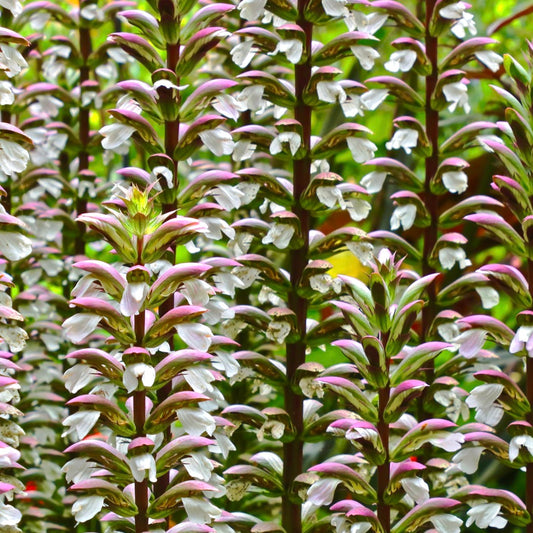
Acanthus is a genus of perennial plants renowned for their distinctive large, deeply lobed leaves and elegant flower spikes. Native primarily to the Mediterranean region, species such as Acanthus mollis (commonly called bear’s breeches) and Acanthus spinosus feature bold architectural foliage and long-lasting, spiky flowers. These plants have significantly influenced classical art and architecture, inspiring decorative motifs found in Corinthian capitals and other ornamental designs. Their unique leaf shapes and floral structures contribute ecological functions in their native habitats, supporting pollinators and providing shelter for small fauna.
What Is Acanthus
Acanthus species are herbaceous perennials or subshrubs characterized by their large, glossy leaves with deeply cut lobes and spiny margins, adapted to reduce herbivory. The flower spikes, rising above the foliage, consist of tubular flowers arranged in dense racemes, attracting bees and butterflies. These plants typically inhabit Mediterranean woodlands, scrublands, and rocky slopes, thriving in well-drained soils and warm climates. Their ability to tolerate drought and poor soils reflects their ecological adaptations to Mediterranean environments. Furthermore, acanthus plants contribute to soil stabilization and biodiversity in their native and cultivated settings.
Uses in Gardens and Landscaping
Acanthus plants serve as versatile and highly decorative elements in gardens and landscapes. They function effectively as border plants, offering structure and lush greenery in both formal and informal garden designs. Their bold, sculptural foliage provides a striking backdrop for smaller, delicate plants, while their tall, upright flowering stems add vertical interest during the summer months. Moreover, acanthus plants adapt well to shaded areas, making them suitable for woodland gardens and mixed perennial borders. Their resilience to drought and low maintenance requirements enhance their appeal for sustainable landscaping. In addition, these plants support local ecosystems by attracting pollinators such as bees and butterflies, thus promoting garden biodiversity.
- Thrives in Mediterranean and temperate climates
- Provides architectural foliage and seasonal floral interest
- Attracts pollinators and supports biodiversity
- Functions well in shaded or semi-shaded garden areas
- Requires minimal maintenance once established
Growing and Care
Acanthus care involves planting in well-drained soils with moderate moisture levels. These plants prefer locations receiving full sun to partial shade, which supports optimal leaf development and flowering. Once established, acanthus perennials exhibit drought tolerance and resist common pests and diseases, reducing the need for frequent interventions. Regular removal of old leaves improves air circulation and overall plant health. Their long-lasting foliage remains attractive through most of the growing season, while flower spikes bloom in summer, providing architectural interest. Gardeners benefit from their low-maintenance nature and adaptability to various soil types, making acanthus suitable for both novice and experienced horticulturists.
Acanthus at Botanical Archive
At Botanical Archive, you will find a carefully curated selection of acanthus plants, including popular species like Acanthus mollis and Acanthus spinosus, alongside other varieties suited to diverse garden settings. These plants enhance Mediterranean-style gardens, dramatic borders, and ornamental foliage displays with their timeless beauty and architectural form. Their ecological benefits and ease of cultivation make them valuable additions to sustainable and biodiverse landscapes.