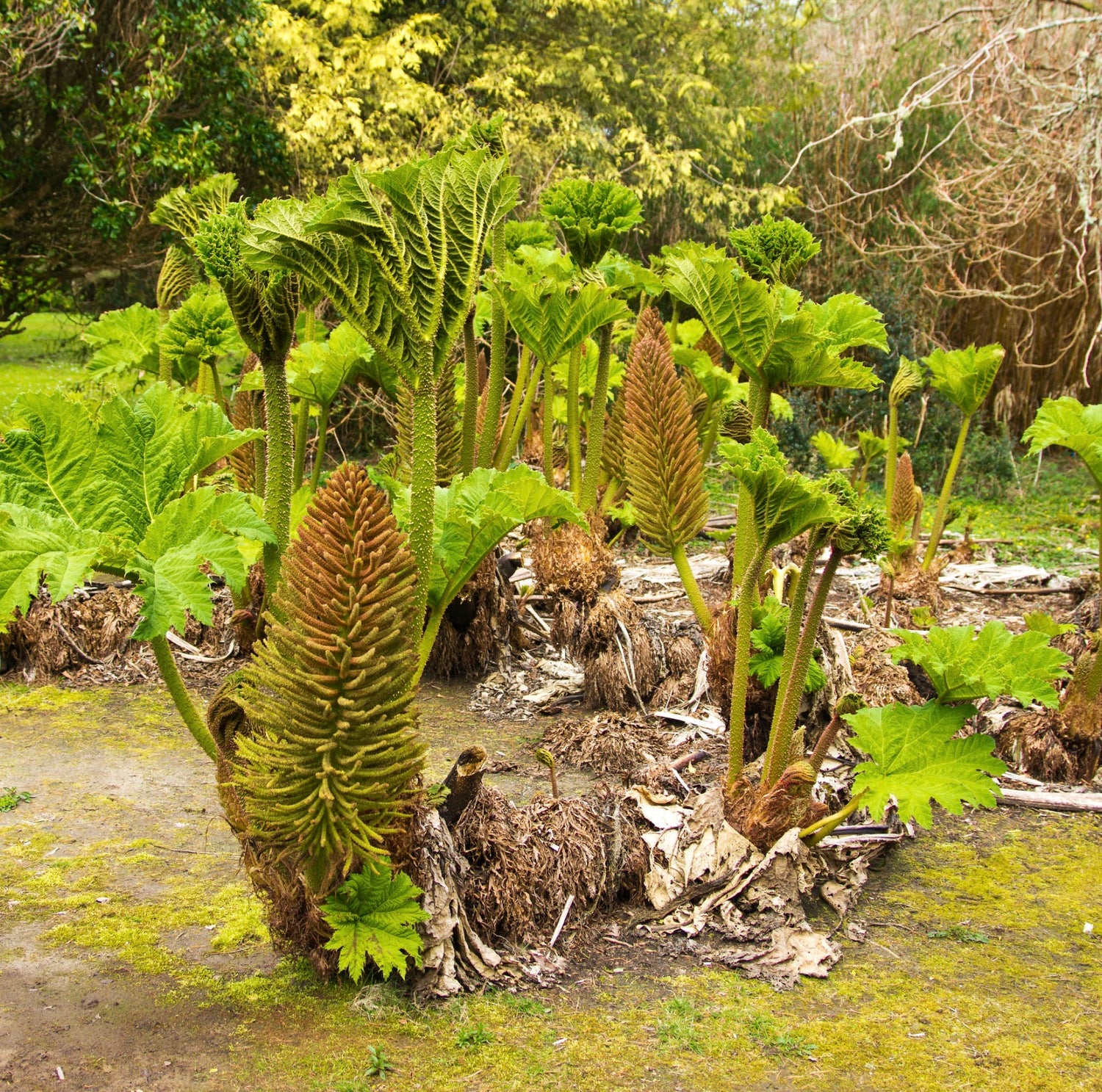
Rubus: The Versatile and Fruit-Bearing Bramble Genus
The Rubus genus, belonging to the Rosaceae family, encompasses a diverse group of deciduous and evergreen shrubs that are well-known for their delicious fruits and dense, thorny growth. These plants naturally occur in various regions worldwide, including temperate zones of North America, Europe, and Asia. They thrive in a wide range of habitats such as forests, woodland edges, gardens, and cultivated fields. Notable species within this genus include Rubus idaeus (red raspberry), Rubus fruticosus (blackberry), and Rubus phoenicolasius (wineberry), all valued for their edible fruits and ecological roles.
What is Rubus?
Rubus species exhibit a variety of morphological adaptations that enable them to succeed in diverse environments. Their stems often bear sharp thorns or prickles, which deter herbivores and provide protection. The leaves are typically compound with serrated edges, allowing efficient photosynthesis in varying light conditions. The flowers are usually white or pink, attracting numerous pollinators including bees and butterflies, which facilitates cross-pollination. The fruits are aggregate drupes composed of multiple small drupelets, rich in sugars and antioxidants, making them a crucial food source for many animals.
Ecologically, Rubus plants play an important role in succession dynamics by colonizing disturbed soils and stabilizing ground with their extensive root systems. They create habitats and food resources for insects, birds, and mammals. For instance, birds often feed on the ripe berries and disperse the seeds, aiding the plant’s propagation across landscapes.
How to Grow and Care for Rubus
Successful cultivation of Rubus requires well-drained, fertile soil with a slightly acidic to neutral pH. These shrubs prefer full sun exposure to maximize fruit production but can tolerate partial shade. Regular watering supports healthy growth, especially during flowering and fruiting periods. Rubus species are hardy and adapt well to temperate climates, tolerating frost and varying moisture levels.
Pruning is essential for maintaining plant vigor and fruit yield. Removing old canes after fruiting promotes new growth and reduces disease risk. Additionally, mulching helps retain soil moisture, regulate temperature, and suppress weeds. Gardeners often implement trellising to support sprawling canes and improve air circulation, which reduces fungal infections.
Common pests affecting Rubus include aphids, spider mites, and cane borers, while fungal diseases like powdery mildew and anthracnose may occur under humid conditions. Employing organic fertilizers enhances soil fertility and plant resilience without harming beneficial organisms.
Rubus in Landscaping and Agriculture
Rubus species have significant applications in landscaping and agriculture due to their rapid growth and nutritious fruits. They are often planted in hedgerows and natural barriers, where their thorny stems provide protection and help control soil erosion on slopes and disturbed lands. Their dense foliage offers shelter for wildlife, increasing biodiversity in managed and wild areas.
In agriculture, raspberry and blackberry bushes are cultivated extensively for commercial fruit production. These berries contain high levels of antioxidants, vitamins C and K, and dietary fiber, contributing to human health and nutrition. Moreover, Rubus plants support pollinator populations by supplying nectar and pollen, which benefits surrounding crops and ecosystems.
Here are some key traits and uses of Rubus species:
- Adaptability to a wide range of soils and climates
- Provision of edible fruits rich in nutrients and antioxidants
- Support for wildlife through habitat and food resources
- Role in soil stabilization and erosion control
- Attraction of pollinators essential for ecological balance
Common Issues and Maintenance Tips
While generally resilient, Rubus plants can face challenges from pests and diseases. Maintaining good air circulation around the plants by proper spacing and pruning helps prevent fungal outbreaks. Mulching not only conserves moisture but also suppresses weeds that compete for nutrients.
Integrated pest management practices, such as encouraging natural predators and using organic treatments, reduce damage from insects like aphids and mites. Regular monitoring during the growing season allows early detection of problems.
Overall, attentive care and understanding of Rubus biology ensure healthy growth and abundant fruit production. These plants continue to be valuable both ecologically and economically across their distribution range.