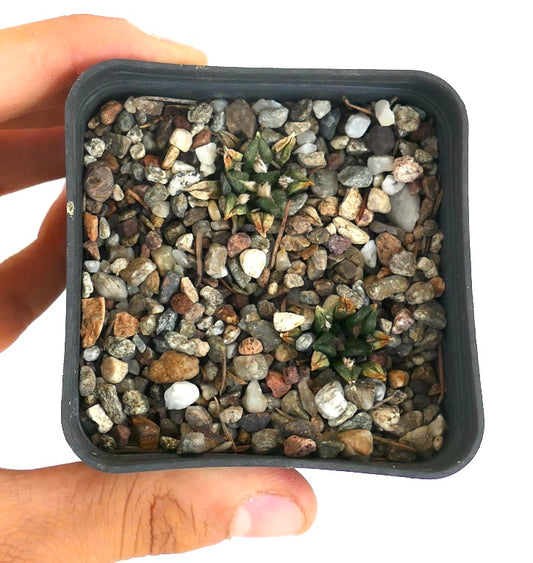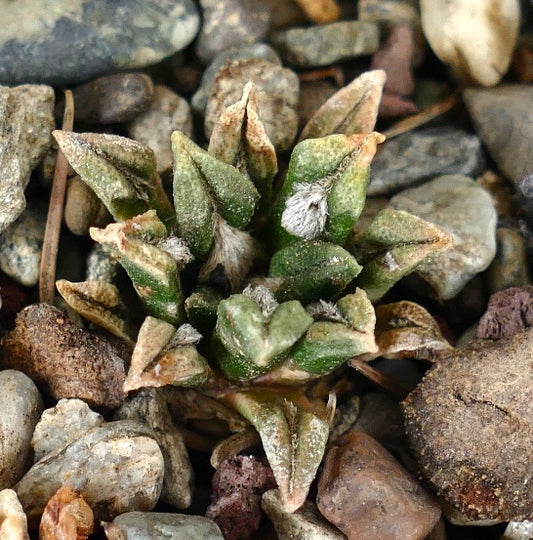
Ariocarpus
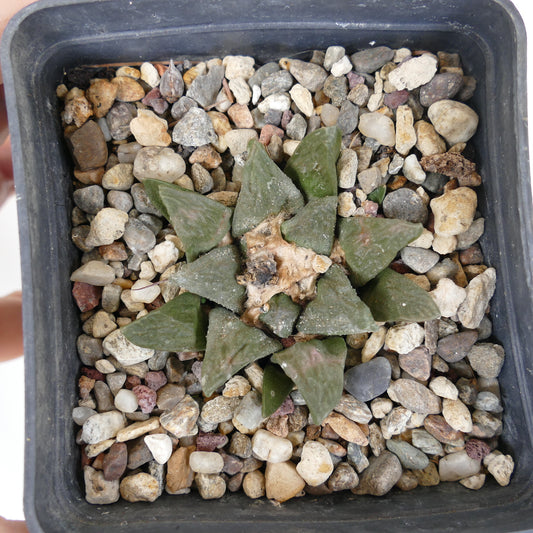
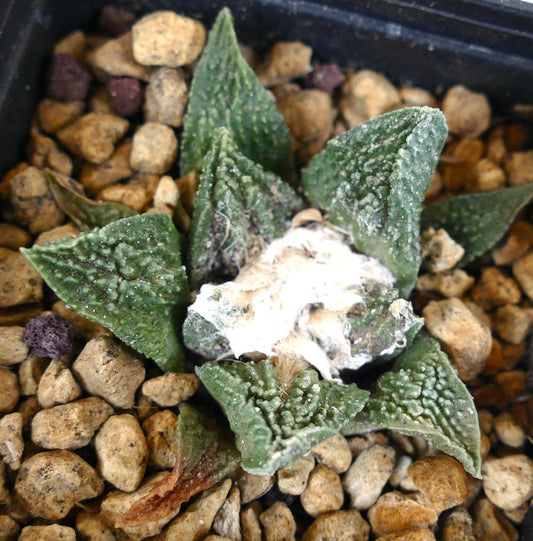
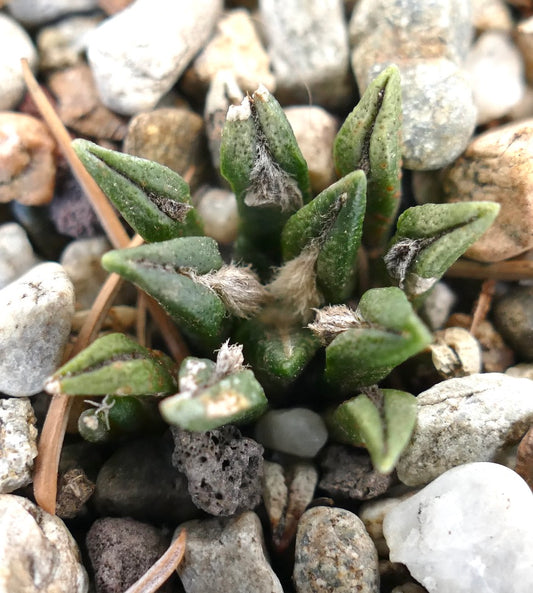
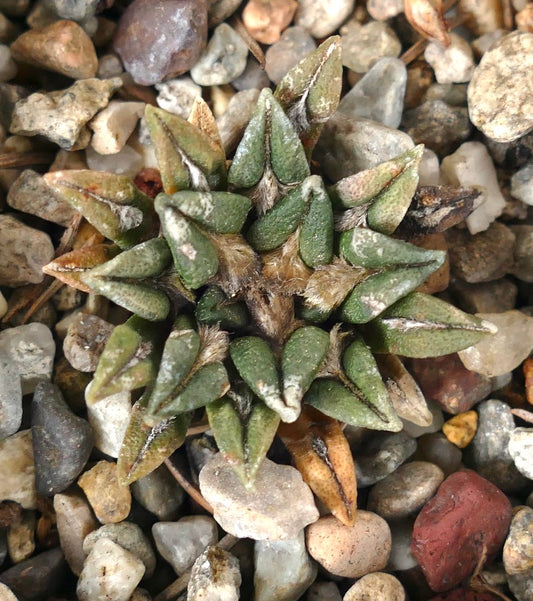
Discover our Ariocarpus collection, featuring rare, slow-growing cacti renowned for their unique, rock-like appearance and stunning flowers. Native to the arid regions of Mexico and Texas, Ariocarpus species have thick, triangular tubercles that give them a distinctive, low-profile look, helping them blend into their rocky habitats. In fall, these cacti produce vibrant pink, purple, or white blooms that emerge dramatically from their textured bodies. Ariocarpus thrives in bright light, well-draining, gritty soil, and minimal watering, making them perfect for collectors and desert enthusiasts.
-
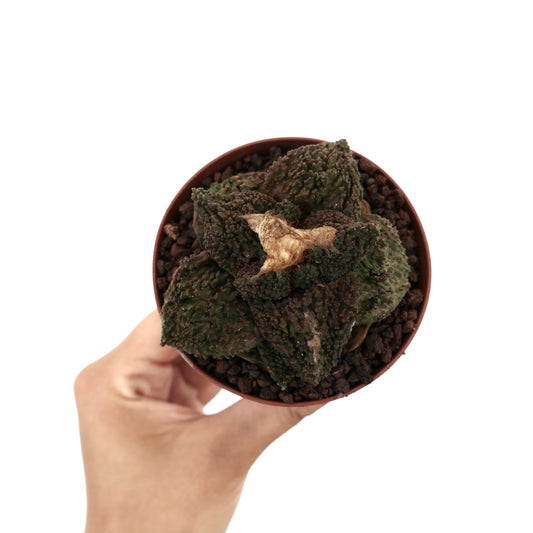
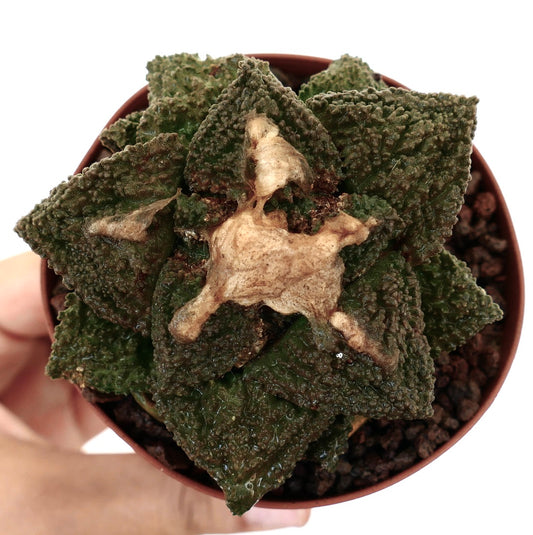
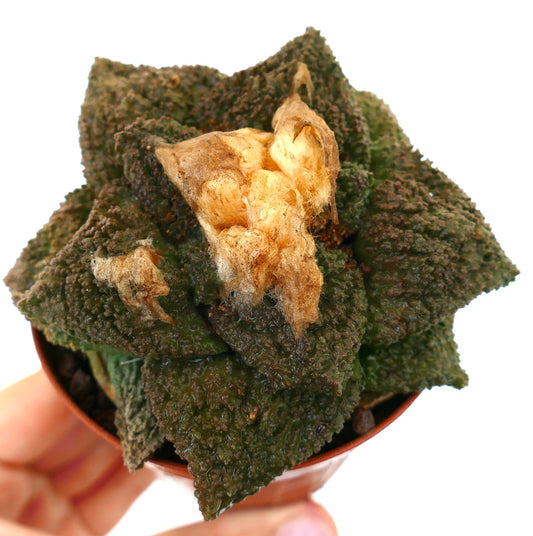
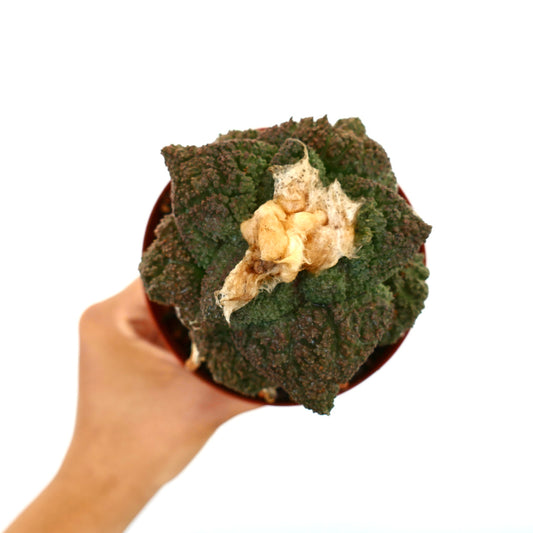
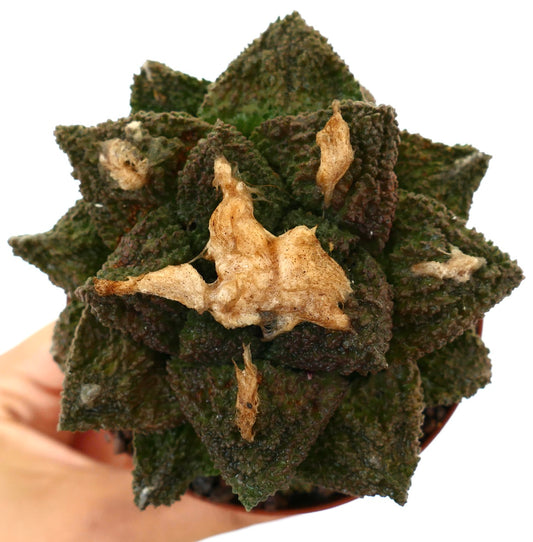
Sold outAriocarpus agavoides
Regular price €18,00 EURRegular priceSale price €18,00 EURSold out -
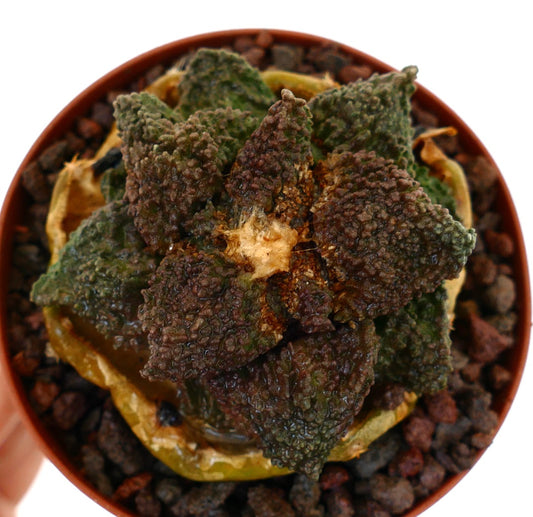
Sold outAriocarpus agavoides
Regular price €8,00 EURRegular priceSale price €8,00 EURSold out -
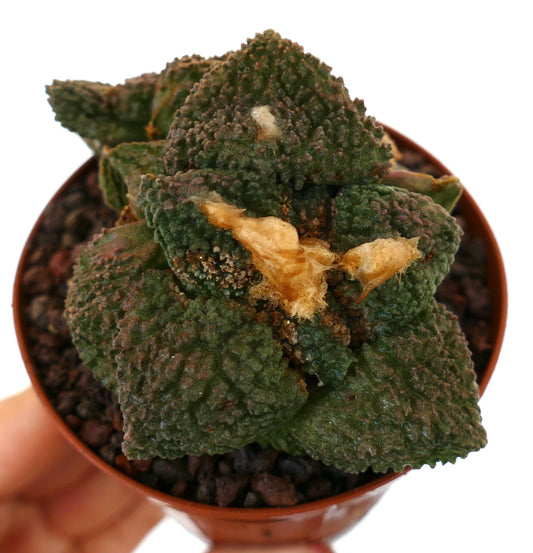
Sold outAriocarpus agavoides 2 HEADS
Regular price €22,00 EURRegular priceSale price €22,00 EURSold out -
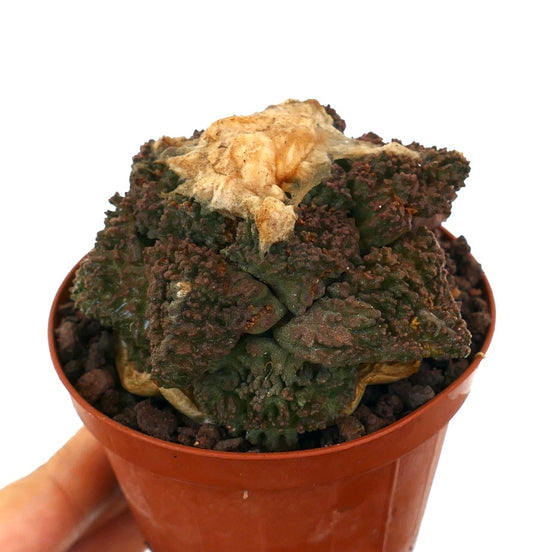
Ariocarpus agavoides X Ariocarpus bravoanus
Regular price €9,00 EURRegular priceSale price €9,00 EURSold out -
Sold outAriocarpus agavoides X bravoanus
Regular price €15,00 EURRegular priceSale price €15,00 EURSold out -
Ariocarpus braboanus var. hintoniii (seedling) K5
Regular price €9,00 EURRegular priceSale price €9,00 EURSold out -
Sold outAriocarpus bravoanus var. hintonii
Regular price €15,00 EURRegular priceSale price €15,00 EURSold out -
Ariocarpus bravoanus x Ariocarpus cv SUPER GODZILLA KR1
Regular price €220,00 EURRegular priceSale price €220,00 EURSold out -
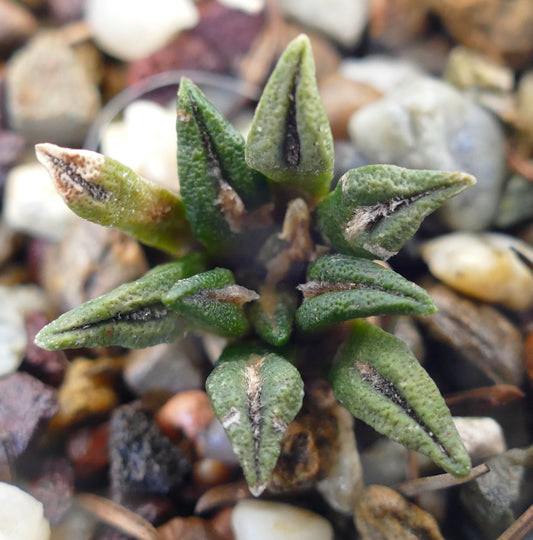
Sold outAriocarpus bravoanus X trigonus
Regular price €15,00 EURRegular priceSale price €15,00 EURSold out -
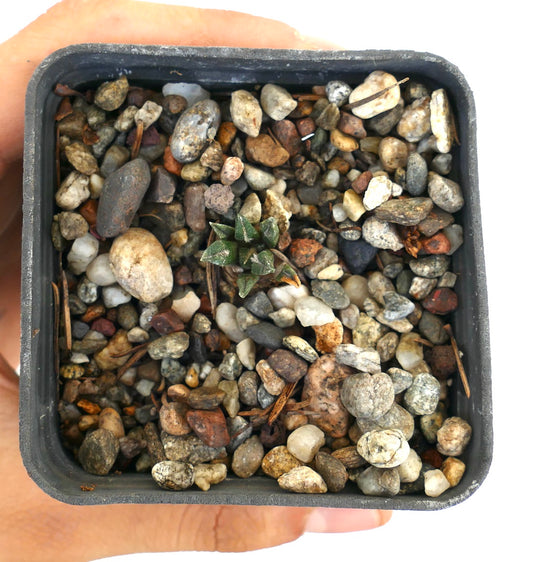
Sold outAriocarpus confusus
Regular price €120,00 EURRegular priceSale price €120,00 EURSold out -
Sold outAriocarpus confusus
Regular price €100,00 EURRegular priceSale price €100,00 EURSold out -
Sold outAriocarpus confusus K32
Regular price €100,00 EURRegular priceSale price €100,00 EURSold out -
Ariocarpus confusus X Ariocarpus retusus cv CAULIFLOWER WV20
Regular price €190,00 EURRegular priceSale price €190,00 EURSold out -
Ariocarpus cv GODZILLA CLONE Takahashi 高橋 grafted DD12
Regular price €150,00 EURRegular priceSale price €150,00 EURSold out -
Ariocarpus cv GODZILLA CLONE Takahashi 高橋 PK33
Regular price €400,00 EURRegular priceSale price €400,00 EURSold out -
Ariocarpus cv. DARK GODZILLA GREEN-BROWNISH GRAFTED
Regular price €120,00 EURRegular priceSale price €120,00 EUR -
Sold outAriocarpus cv. GODZILLA DARK GRAFTED
Regular price €80,00 EURRegular priceSale price €80,00 EURSold out -
Ariocarpus cv. GODZILLA DICHOTOMIC 2 HEADS GRAFTED
Regular price €140,00 EURRegular priceSale price €140,00 EURSold out -
Ariocarpus cv. GODZILLA x BALL LANATUS GRAFTED
Regular price €135,00 EURRegular priceSale price €135,00 EUR -
Ariocarpus cv. GODZILLA x HINTONI GRAFTED
Regular price €90,00 EURRegular priceSale price €90,00 EUR -
Ariocarpus cv. GODZILLA x HINTONI SELECTED GRAFTED
Regular price €100,00 EURRegular priceSale price €100,00 EURSold out -
Ariocarpus cv. SUPER GODZILLA GRAFTED
Regular price €150,00 EURRegular priceSale price €150,00 EURSold out -
Ariocarpus cv. SUPER GODZILLA x HINTONI GRAFTED
Regular price €140,00 EURRegular priceSale price €140,00 EURSold out -
Ariocarpus fissuartus X scaphirostris
Regular price €150,00 EURRegular priceSale price €150,00 EUR
Collection: Ariocarpus
Ariocarpus
Ariocarpus represents a distinctive genus of succulent plants known for their remarkable geometric forms and slow growth rates. These succulents have adapted to harsh, arid environments primarily in Mexico and parts of Texas, thriving in limestone-rich soils. Their unique morphology includes tuberculate, often flattened bodies that blend effectively with their rocky surroundings, offering protection from herbivores and extreme weather. The genus plays a vital ecological role by providing habitat and resources for specialized pollinators, such as certain solitary bees.
Ariocarpus fissuratus
This species is particularly admired for its fissured, textured surface that resembles cracked stone, a feature that aids camouflage in its native desert habitat. Ariocarpus fissuratus grows slowly and tolerates extreme drought by storing water within its thickened tissues. It typically flowers in autumn, producing large, showy pink to white blossoms that attract nocturnal pollinators. This cactus prefers well-drained, alkaline soils and often grows in rocky crevices where competition is minimal.
Ariocarpus retusus
Ariocarpus retusus exhibits fleshy, triangular tubercles arranged in a star-like pattern, which helps maximize light absorption while minimizing water loss. It inhabits dry scrublands and limestone hills, where it benefits from sporadic rainfall and intense sunlight. This species is well-suited for indoor cultivation due to its modest water needs and tolerance of variable light conditions. Its flowers tend to be pale pink or white, contributing to its ornamental appeal.
Ariocarpus kotschoubeyanus
Known for its compact size and striking flowers, Ariocarpus kotschoubeyanus adapts well to container growth. It produces vibrant pink to magenta flowers during late summer, which play an essential role in attracting pollinators in its native habitats. This species thrives in calcareous soils and exhibits morphological adaptations such as a thickened epidermis and deep root systems to endure prolonged drought. Its resilience and ornamental qualities make it popular among succulent collectors.
These Ariocarpus species illustrate the genus's diversity and ecological specialization. Additionally, other notable species include Ariocarpus godzilla, recognized for its robust tubercles; Ariocarpus trigonus, with sharply angled structures; and Ariocarpus lloydii, known for its distinctive growth form. Cultivators interested in propagation often explore Ariocarpus seeds germination techniques or grafting Ariocarpus onto hardier rootstocks to enhance growth rates and survival. These practices reflect the genus's botanical intrigue and horticultural value.
In summary, Ariocarpus species thrive in specialized niches characterized by aridity, rocky substrates, and nutrient-poor soils. Their morphological and physiological adaptations ensure survival in these challenging environments, while their flowers maintain important ecological interactions. Understanding these aspects aids both conservation efforts and cultivation success.
Key features of Ariocarpus include:
- Adaptation to arid, limestone-rich habitats in North America
- Distinctive geometric tubercle formations aiding camouflage and water retention
- Slow growth with seasonal flowering that attracts specific pollinators
- Ecological importance as part of desert ecosystems supporting pollinator species
- Propagation methods including seed germination and grafting to improve cultivation
Other Collections in the Archive
-
Specimen Plants
Specimen Plants in our Store Specimen Plants captivate plant enthusiasts with their...
-
Catalogue Plants
Catalogue plants provide a wide variety of options to elevate your garden...
-
Gardening Tools & Soils
Gardening tools – essentials for healthy soils and thriving plants Building a...