Tamarix: The Resilient Genus of Salt-Tolerant Shrubs and Trees
The Tamarix genus comprises approximately 50 species of deciduous shrubs and small trees, commonly known as tamarisks. These plants exhibit remarkable adaptability, thriving in arid, saline, and often harsh environments worldwide. Species such as Tamarix gallica, Tamarix aphylla, and Tamarix ramosissima stand out for their ecological significance and ornamental appeal. Typically, they grow in saline soils, coastal regions, riverbanks, and desert margins, where few other plants can survive due to extreme conditions.
An Overview of the Tamarix Genus
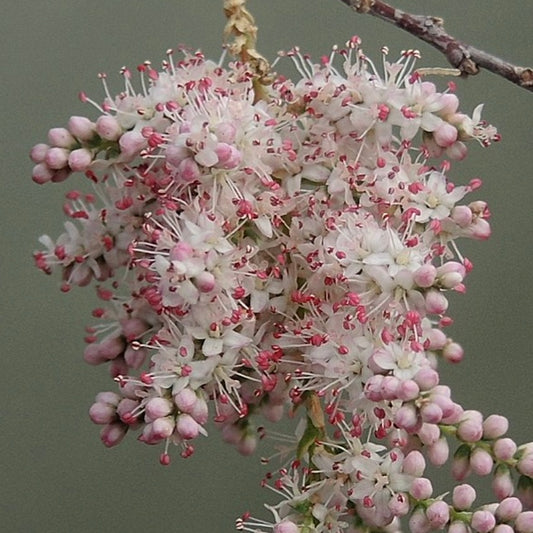
Tamarix species possess distinctive morphological adaptations that enable survival under extreme environmental stress. Their small, scale-like leaves minimize water loss through transpiration, while their deep and extensive root systems efficiently access groundwater reservoirs far below the surface. Additionally, these plants have specialized glandular structures that actively excrete excess salt, allowing them to colonize saline and alkaline soils. Their flowers, usually pink or white, attract a variety of pollinators, including bees and butterflies, thereby enhancing local biodiversity. Moreover, Tamarix often forms dense thickets that stabilize soil and reduce erosion, playing a vital role in maintaining fragile ecosystems.
Tamarix and Its Environmental Adaptability
The genus demonstrates exceptional drought resistance and salt tolerance, positioning Tamarix plants as key contributors to erosion control and land reclamation efforts. Their deep roots conserve water by tapping underground sources inaccessible to many other species. Furthermore, Tamarix provides essential shelter and food for birds, insects, and other wildlife in arid and semi-arid regions. These plants frequently colonize disturbed or degraded habitats, facilitating ecological succession and improving soil quality over time. Common habitats for Tamarix include riverbanks, saline flats, coastal dunes, and desert edges. Their ability to survive in nutrient-poor soils and withstand salt spray supports their wide distribution across Europe, Asia, and North Africa. In these areas, Tamarix contributes to habitat complexity by creating microenvironments that support diverse species assemblages.
Key ecological features of Tamarix include:
- Adaptation to saline and arid environments through salt excretion and reduced leaf surface
- Provision of critical habitat and food resources for pollinators and birds
- Stabilization of soils in erosion-prone landscapes
- Facilitation of ecological succession in disturbed areas
- Wide geographic distribution across temperate and subtropical zones
Ornamental and Landscaping Uses of Tamarix
Tamarix shrubs are prized for their delicate, feathery foliage and profuse pink flowers that bloom in spring and early summer. These characteristics make them valuable in garden design and landscape architecture, especially in regions with drought-prone or saline soils. Tamarix ramosissima is frequently used as a decorative hedge or windbreak in coastal and desert landscapes due to its dense growth habit and tolerance of salty winds. In addition to aesthetics, Tamarix enhances biodiversity by attracting pollinators such as bees, butterflies, and other insects. Their rapid growth and resilience also help stabilize soils and reduce dust in both urban and rural environments. Gardeners and landscapers appreciate their low maintenance needs and adaptability to poor soil conditions.
Ecological Impact and Management of Tamarix
Although Tamarix trees provide numerous environmental benefits, some species, including Tamarix chinensis, have become invasive outside their native ranges. Invasive Tamarix populations can significantly alter local hydrology by consuming large volumes of groundwater and changing soil salinity. These changes often lead to the displacement of native plant species and disrupt ecosystem balance. Management strategies for invasive Tamarix include mechanical removal, herbicide treatments, and restoration of native vegetation to recover affected habitats. Despite these challenges, Tamarix remains valuable in drought-prone areas and restoration projects where native species struggle to establish. Its ability to withstand extreme conditions makes it an important pioneer species in degraded landscapes. Ecologically, Tamarix supports diverse animal communities by providing nesting sites and food sources; however, balancing its ecological benefits with control of invasive tendencies is essential for maintaining healthy ecosystems.