
Cycas
-

 Sold out
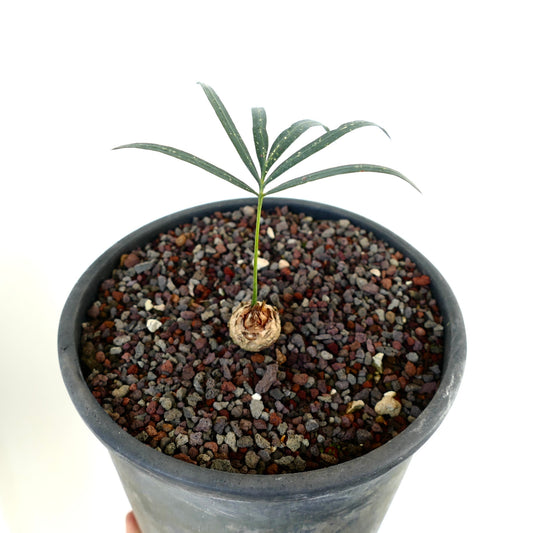
Cycas chevalieri 'Dak Rong, Vietnam'
Regular price €48,00 EURRegular price -
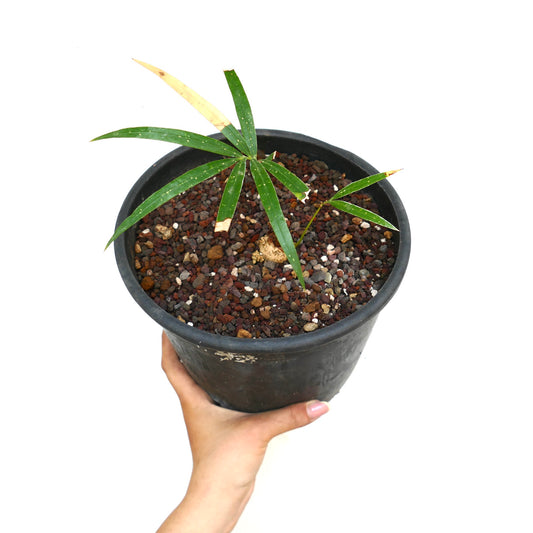
Cycas chevalieri 'Dak Rong, Vietnam' A9 SELECTED
Regular price €45,00 EURRegular price -
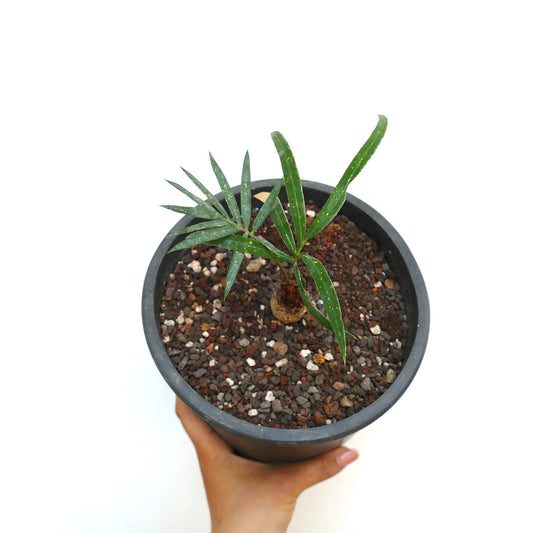
Cycas chevalieri 'Dak Rong, Vietnam' AG9
Regular price €49,00 EURRegular price -
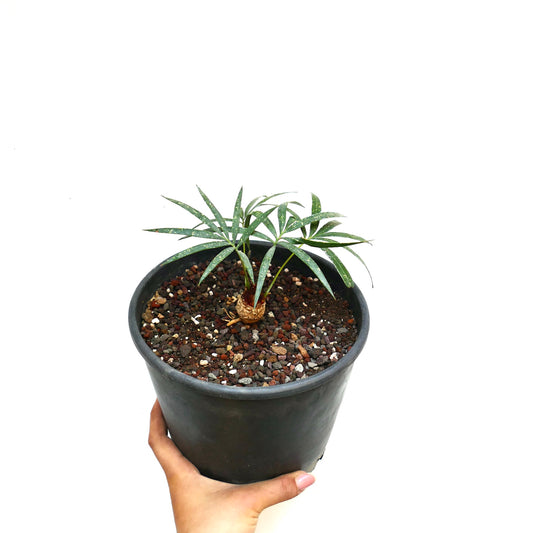
Cycas chevalieri 'Dak Rong, Vietnam' CA88
Regular price €85,00 EURRegular price -
Cycas chevalieri 'Dak Rong, Vietnam' SELECTED C52
Regular price €48,00 EURRegular price -
Cycas chevalieri (Rao Quan River, Vietnam)
Regular price €49,00 EURRegular price -
Cycas chevalieri near 'Dak Rong, Rao Quan River'
Regular price €43,00 EURRegular price -
Cycas chevalieri near Dak Rong, Rao Quan River
Regular price €44,00 EURRegular price -
Cycas chevalieri RAO QUAN RIVER
Regular price €46,00 EURRegular price -
Cycas ferruginea (50km west of Lang Son City)
Regular price €480,00 EURRegular price -
Cycas fugax (Phu Tho Province, Vietnam)
Regular price €460,00 EURRegular price -
Cycas hoabinhensis 10X12cm Caudex
Regular price €350,00 EURRegular price€0,00 EURSale price €350,00 EUR -
Cycas panzhihuaensis
Regular price From €100,00 EURRegular price -
Cycas revoluta cv AUREA VARIEGATED 7,2cm
Regular price €135,00 EURRegular price -
Cycas revoluta cv AUREA VARIEGATED 7,2cm caudex
Regular price €120,00 EURRegular price -
Cycas revoluta cv AUREA VARIEGATED 9cm caudex
Regular price €180,00 EURRegular price -
Cycas revoluta FEMALE
Regular price From €60,00 EURRegular price -
Cycas revoluta MALE
Regular price From €120,00 EURRegular price -
Cycas siamensis 2-3cm
Regular price €55,00 EURRegular price -
Cycas silvestris (from Temple Bay, Australia)
Regular price €420,00 EURRegular price





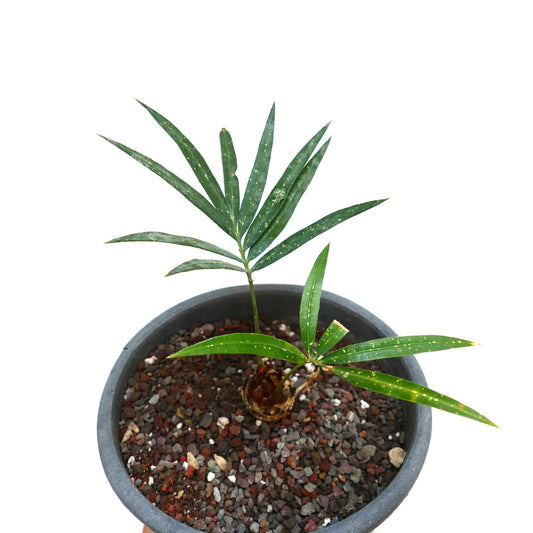

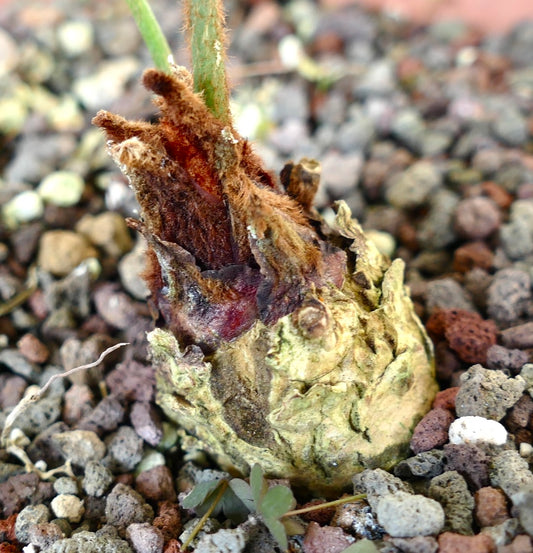

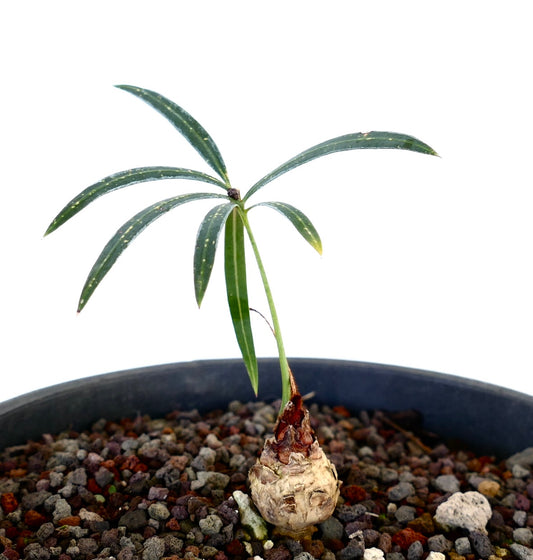

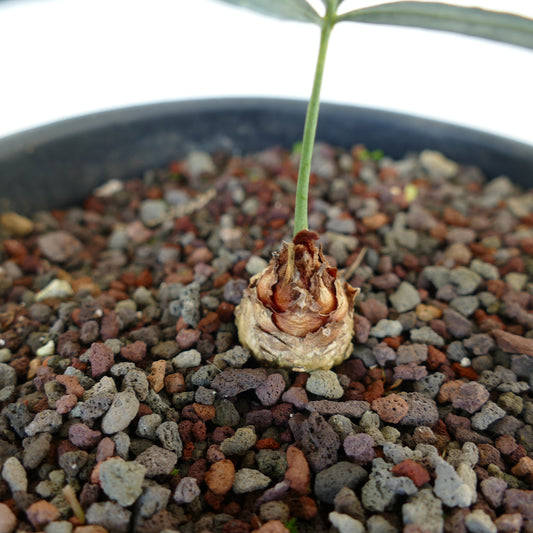

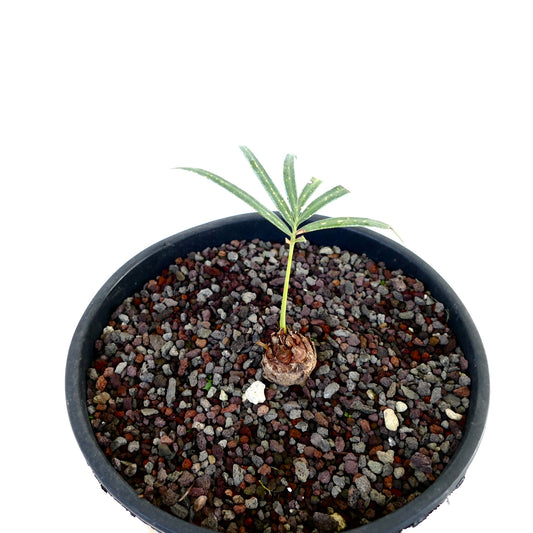

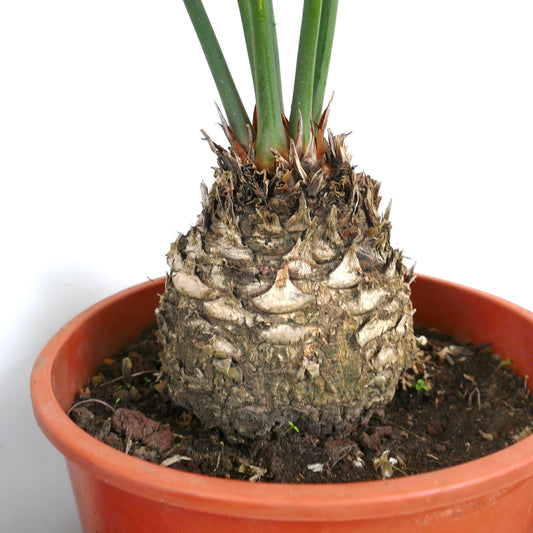

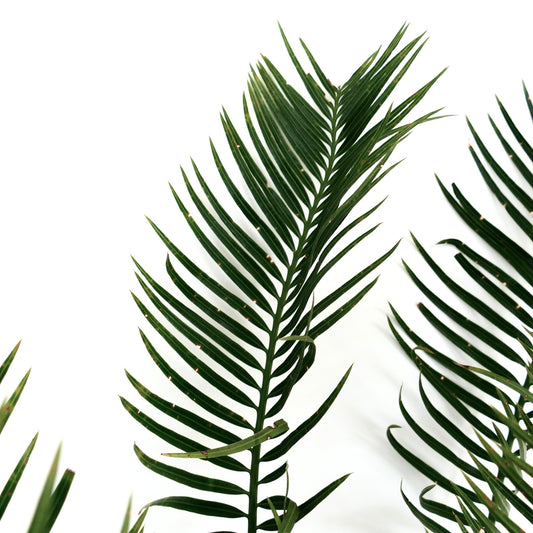

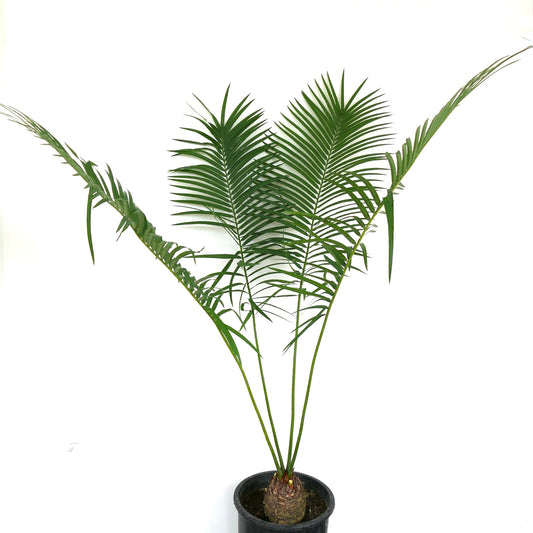






Collection: Cycas
Cycas: Timeless Elegance in Greenery
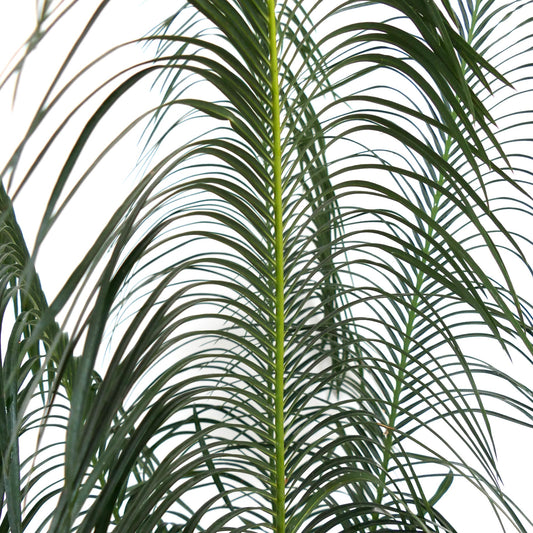
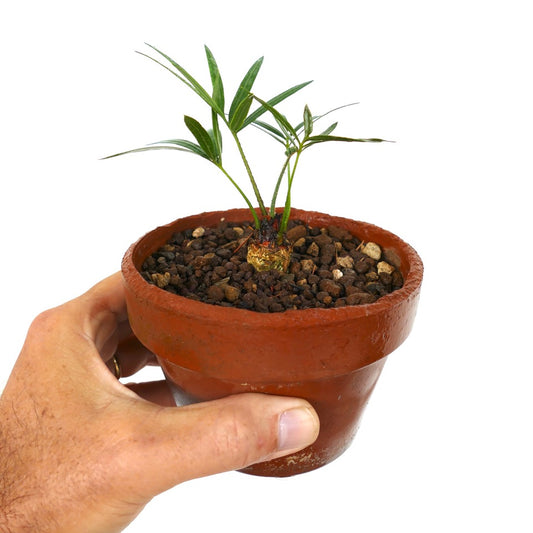
The Cycas genus represents one of the most ancient lineages of seed plants, with origins dating back to the Mesozoic era. Among the most admired is the Cycas revoluta, commonly called the sago palm, appreciated for its sculptural form and enduring vitality. These species adapt well to both indoor and outdoor environments, where they introduce a distinct tropical presence and evoke prehistoric landscapes.

Cycas Revoluta: The Classic Sago Palm
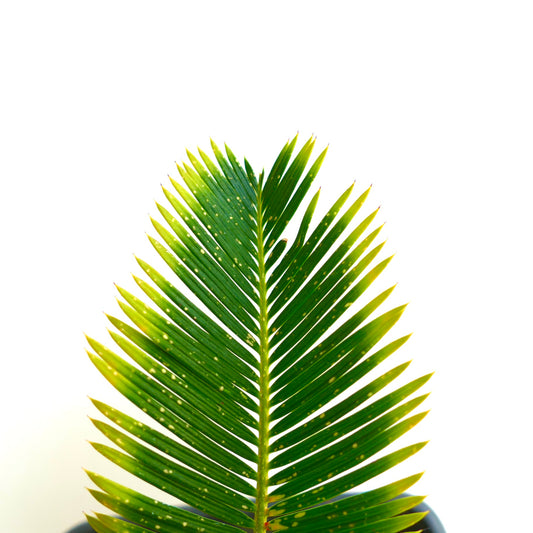
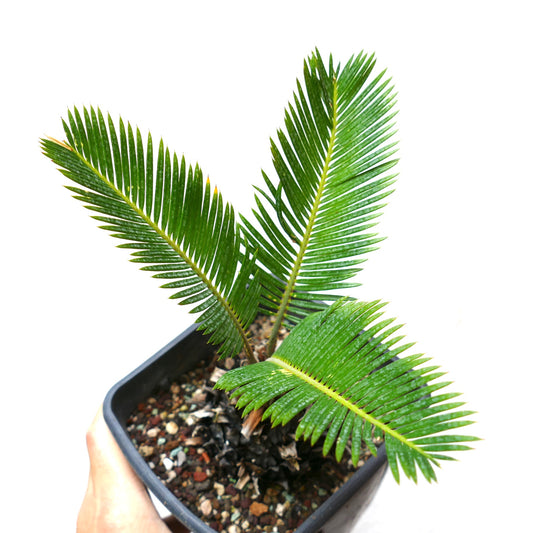
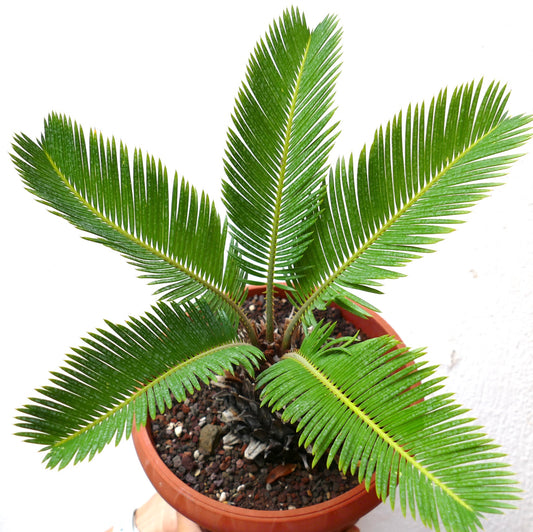
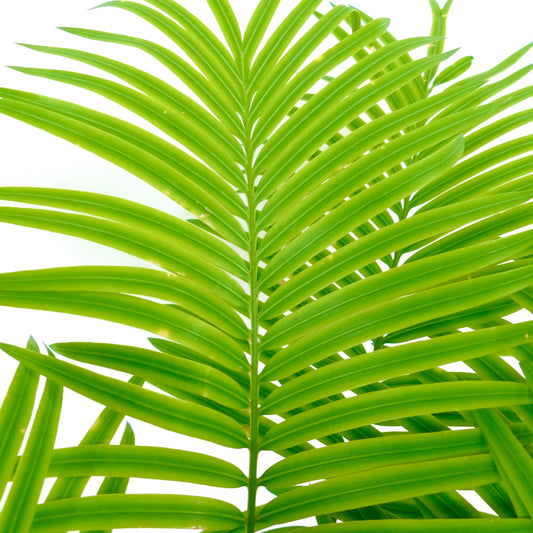
The Cycas revoluta remains one of the most recognizable cycads thanks to its symmetrical rosette and glossy, pinnate leaves. Each frond resembles a feather and grows rigidly upward, creating a harmonious architectural effect. Suited to pots, rock gardens, or open soil beds, this plant thrives in sandy or rocky substrates with good drainage. Although growth is slow, its longevity and resistance to drought conditions make it highly valued in ornamental horticulture.
In its natural range, mainly in southern Japan and the Ryukyu Islands, the species grows on coastal slopes and rocky outcrops. This preference for well-drained, sun-exposed sites explains its adaptability to cultivated landscapes worldwide.

Caring for Cycas Plants
Optimal care for a cycas plant begins with correct placement. These plants prefer bright light, with some tolerance for partial shade in hotter regions. They require minimal watering, as excessive humidity promotes root rot. The Cycas palm plant care routine also benefits from occasional fertilization with balanced nutrients rich in potassium and magnesium, which support leaf development and overall vigor.
Because cycads grow slowly, they rarely need pruning, except for removing old or yellowing fronds. Their natural resistance to many pests further simplifies their management, making them suitable even for those with limited gardening experience.
- Ancient lineage with origins over 200 million years ago
- Prefers well-drained, sandy or rocky soil
- Highly drought-tolerant once established
- Slow growth but exceptional longevity
- Minimal maintenance and pest resistance
Versatile Landscaping with Cycas
The Cycas revoluta sago palm offers great versatility in design, contributing both texture and structural elegance. In gardens, it can serve as a solitary centerpiece or as part of mixed plantings with succulents and other drought-adapted species. Indoors, when grown in large containers, it provides a striking accent that enhances minimalist and tropical-inspired interiors alike.
Beyond their aesthetic qualities, cycads also play ecological roles. Their association with nitrogen-fixing cyanobacteria helps enrich poor soils, contributing to surrounding plant communities. This unique adaptation highlights their evolutionary success and ecological significance. By cultivating the palm cycas revoluta and related species, one preserves a living connection with the world’s botanical history while enjoying their enduring ornamental value.

Other Collections in the Archive
-

Specimen Plants
Specimen Plants in our Store Specimen Plants captivate plant enthusiasts with their...
-
Catalogue Plants
Catalogue plants provide a wide variety of options to elevate your garden...
-

Gardening Tools & Soils
Gardening tools – essentials for healthy soils and thriving plants Building a...


