Collection: Larix
Larix Genus Tree
The Larix genus, commonly referred to as larch trees, comprises deciduous conifers known for their distinctive needle drop each autumn. These trees adapt well to cold climates, thriving in boreal and mountainous regions across the Northern Hemisphere. Their unique combination of deciduous needles and coniferous traits enables them to survive harsh winters while contributing significantly to forest ecosystems.
Discover the Versatile Larix Genus
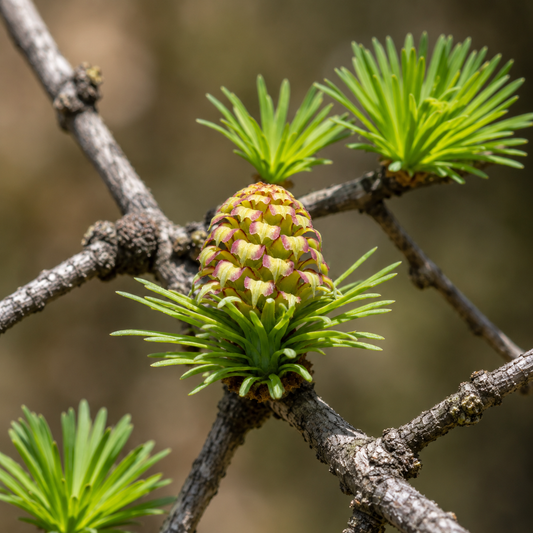
Larix species display a remarkable ability to endure cold temperatures and short growing seasons, which makes them prominent in taiga and subalpine forests. Their needles emerge bright green in spring, providing fresh foliage that turns brilliant gold before shedding in autumn. This seasonal transformation adds ecological value by supplying organic matter to the soil and supporting diverse wildlife. Additionally, Larix trees possess adaptations such as flexible branches and resin production that help them resist snow damage and pest infestations.
Enhance Your Landscape with Larch Trees
Beyond their ecological role, larch trees serve as ornamental species in temperate gardens and parks. Their fast growth and tolerance of poor soils make them suitable for reforestation and sustainable forestry projects. Moreover, their wood is highly valued for durability and resistance to decay, which benefits timber production. The presence of Larix supports biodiversity by providing habitat and food for birds, insects, and mammals. In fact, many species rely on larch forests for shelter during winter months.
Common characteristics of Larix include:
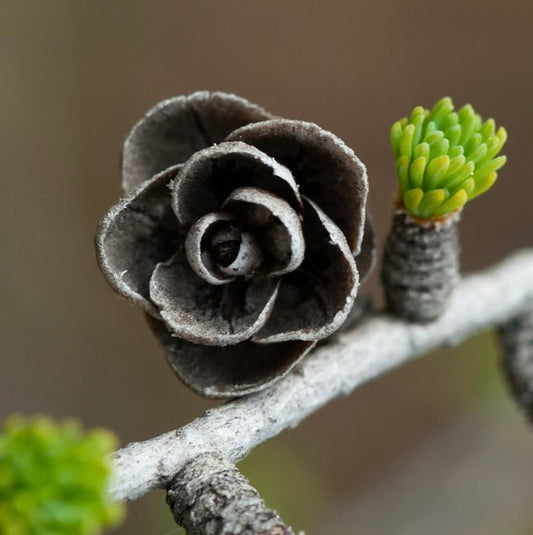
- Deciduous needle clusters arranged on short shoots
- Cones that mature within a single season
- Tolerance to cold, wind, and variable soil moisture
- Symbiotic relationships with mycorrhizal fungi enhancing nutrient uptake
- Role as pioneer species in disturbed or glacial landscapes
Care and Maintenance for Larix Trees
Growing Larix trees involves understanding their ecological preferences. They require well-drained soils and full sunlight to optimize growth. Pruning is typically minimal but can improve shape and remove damaged branches. Propagation often occurs through seeds, which germinate best after cold stratification, reflecting their adaptation to temperate climates. Their natural resistance to many pests and diseases reduces the need for chemical treatments, promoting healthier ecosystems.
Why Choose Larix for Your Garden?
The Larix genus offers multiple benefits, including ecological contributions and aesthetic appeal. Their seasonal needle drop reduces winter snow load, while their golden autumn color enhances landscape diversity. As a cold-resistant tree, they provide reliable greenery in challenging environments. Furthermore, their wood supports sustainable timber industries, and their presence fosters rich biodiversity. Altogether, Larix represents a resilient and ecologically valuable genus suitable for various environmental and horticultural purposes.