
Astrophytum Seeds
-
Astrophytum asterias cv HANAZONO 085B SEEDS
Regular price From €9,00 EURRegular price -
Astrophytum asterias cv OIBBO nudum SEEDS
Regular price From €2,00 EURRegular price -
Astrophytum asterias SEEDS
Regular price From €27,00 EURRegular price -
Astrophytum capricorne 'Krausei' SEEDS
Regular price From €36,00 EURRegular price -
Astrophytum capricorne cv OIBBO NUDUM SEEDS
Regular price From €4,50 EURRegular price -
Astrophytum capricorne niveum VARIEGATED SEEDS
Regular price From €5,00 EURRegular price -
Astrophytum capricorne SEEDS
Regular price From €26,00 EURRegular price -
Astrophytum capricorne var. minor SEEDS
Regular price From €4,20 EURRegular price -
Astrophytum capricorne var. senile SEEDS
Regular price From €1,00 EURRegular price -
Astrophytum crassispinum VARIEGATED SEEDS
Regular price From €6,40 EURRegular price -
Astrophytum myriostigma cv 'KIKKO NUDUM MONSTRUOSUS' SEEDS
Regular price From €9,20 EURRegular price -
Astrophytum myriostigma cv HOKAN SEEDS
Regular price From €29,20 EURRegular price -
Astrophytum myriostigma cv KIKKO SWAROVSKI SEEDS
Regular price From €14,00 EURRegular price -
Astrophytum myriostigma cv multicostatum SEEDS
Regular price From €24,50 EURRegular price -
Astrophytum myriostigma cv ONZUKA BALL TYPE SEEDS
Regular price From €3,20 EURRegular price -
Astrophytum myriostigma cv ONZUKA V-TYPE SEEDS
Regular price From €6,00 EURRegular price -
Astrophytum myriostigma cv ONZUKA WHITE SEEDS
Regular price From €4,40 EURRegular price -
Astrophytum myriostigma cv ONZUKA X HAKUUN SEEDS
Regular price From €6,00 EURRegular price -
Astrophytum myriostigma SEEDS
Regular price From €4,20 EURRegular price -
Astrophytum myriostigma strongylogonum form nudum SEEDS
Regular price From €25,00 EURRegular price -
Astrophytum myriostigma tricostatum cv KITUKO SEEDS
Regular price From €25,20 EURRegular price -
Astrophytum myriostigma var. columnare SEEDS
Regular price From €5,10 EURRegular price -
Astrophytum myriostigma var. jaumavense (Jaumave) SEEDS
Regular price From €4,20 EURRegular price -
Astrophytum myriostigma var. nudum (San Luis Potosì) SEEDS
Regular price From €4,30 EURRegular price
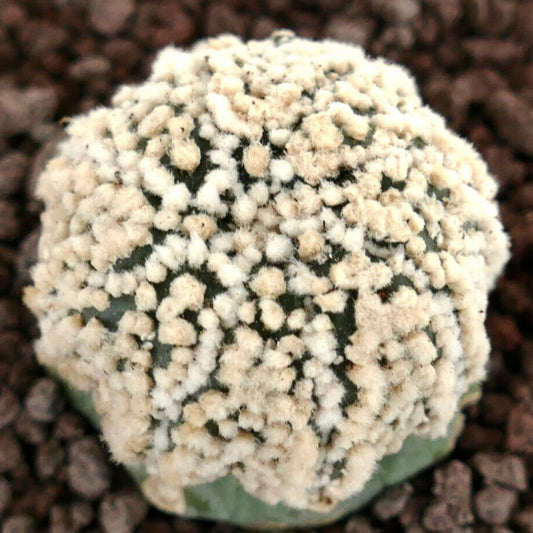


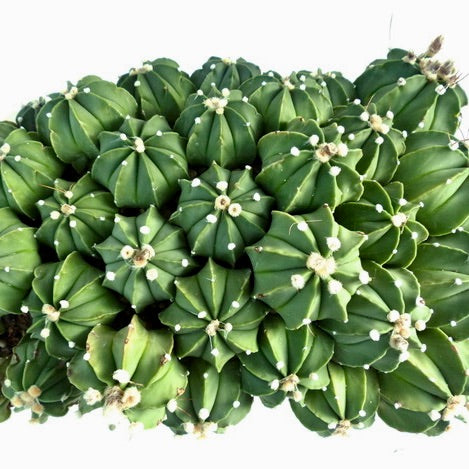
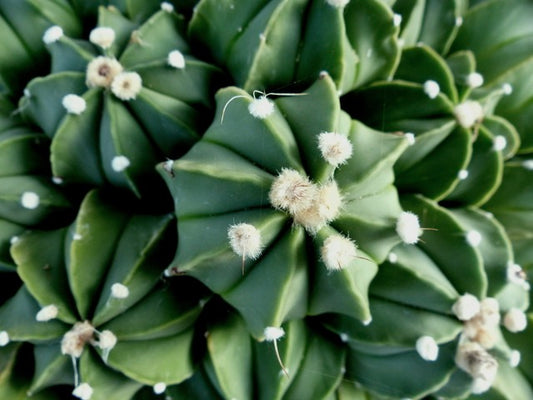
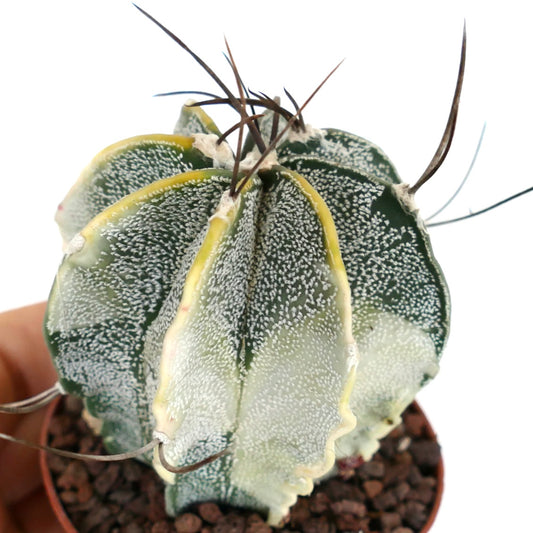











Collection: Astrophytum Seeds
Astrophytum Seeds: Cultivate Rare and Stunning Cacti
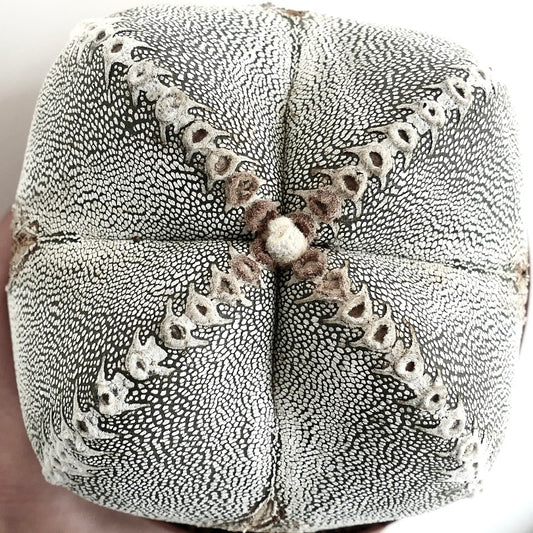
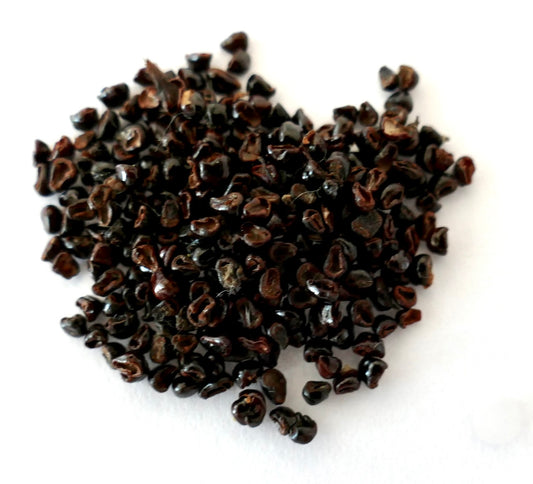
Grow the captivating Astrophytum seeds, belonging to a genus of unique and collectible cacti known for their distinctive star-shaped forms and beautiful flowers. These cacti attract enthusiasts aiming to expand their collections with plants that combine elegance and resilience. Native to regions in Mexico and the southern United States, Astrophytum species have adapted to arid environments with specialized morphological traits.

Astrophytum Asterias: The Star Cactus
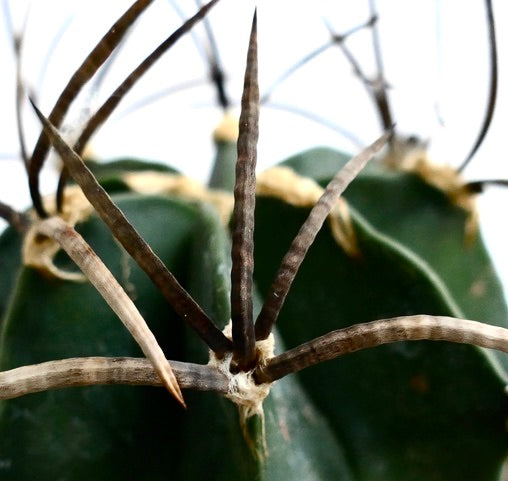
The Astrophytum asterias, commonly called the star cactus, stands out due to its symmetrical, flattened body and soft, hair-like spines that differ from the typical sharp cactus thorns. This species grows naturally on limestone soils in desert habitats and plays an ecological role by providing shelter and nectar for local pollinators. Cultivating this cactus from Astrophytum seeds offers a rare and rewarding experience for collectors who appreciate its unique morphology and ecological significance.
Unique Varieties for Collectors
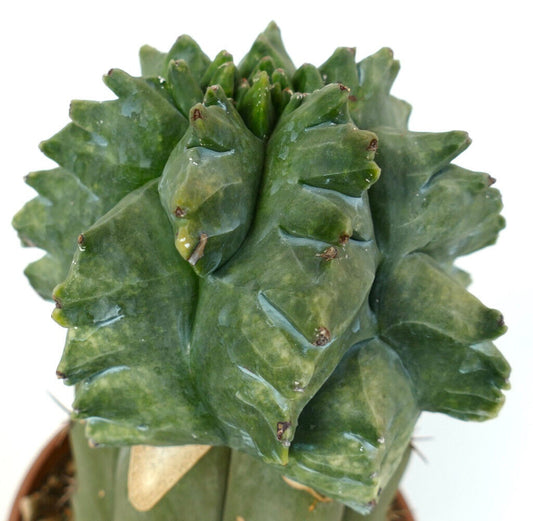
Explore the diversity within the genus with species such as Astrophytum myriostigma, recognized for its smooth, dotted epidermis that helps reduce water loss. The rare Astrophytum caput-medusae features tubular, snake-like stems adapted to maximize photosynthesis in harsh sunlight. Other notable species include Astrophytum super kabuto, valued for its intricate, ribbed patterns, and Astrophytum ornatum, a columnar cactus that can grow taller and serves as a microhabitat for desert fauna. These varieties demonstrate the genus's morphological and ecological adaptations across different habitats.
In addition,
- Astrophytum cacti exhibit CAM photosynthesis, enabling efficient water use.
- They contribute to soil stabilization in their native environments.
- They form mutualistic relationships with mycorrhizal fungi, aiding nutrient uptake.
- Flowering attracts specific pollinators such as bees and moths.
- They can survive extreme temperature fluctuations common in desert ecosystems.
Easy to Cultivate and Maintain
Astrophytum seeds thrive in well-drained, sandy or rocky soils with minimal watering requirements, reflecting their adaptation to arid climates. These cacti prefer bright light but can tolerate some partial shade, making them suitable for both indoor pots and outdoor rock gardens. Their low-maintenance nature benefits beginners and experienced growers alike. Proper cultivation from seeds requires patience, as germination can be slow but leads to robust plants. Furthermore, these species resist many pests and diseases common to other succulents, contributing to their longevity.
Adding Astrophytum seeds to your botanical collection introduces plants with timeless appeal, unique charm, and significant ecological roles in their native habitats.
Other Collections in the Archive
-

Specimen Plants
Specimen Plants in our Store Specimen Plants captivate plant enthusiasts with their...
-
Catalogue Plants
Catalogue plants provide a wide variety of options to elevate your garden...
-

Gardening Tools & Soils
Gardening tools – essentials for healthy soils and thriving plants Building a...


