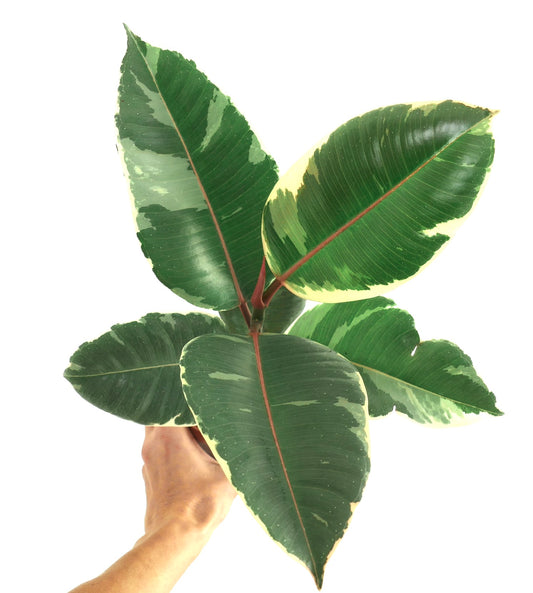
Ficus

Explore our Ficus collection, featuring versatile, evergreen trees and shrubs admired for their lush, glossy leaves and wide range of forms. Native to tropical and subtropical regions, Ficus species like the Weeping Fig, Rubber Plant, and Fiddle Leaf Fig are popular both indoors and outdoors. Their foliage varies from small, delicate leaves to large, bold ones, adding elegance to any space. Thriving in bright, indirect light, well-draining soil, and moderate watering, Ficus plants are ideal for adding greenery and a tropical feel to homes, offices, and gardens.

Collection: Ficus

Ficus: A Timeless Greenery Staple

The Ficus genus, comprising over 800 species, features lush foliage and diverse structures that adapt well to various environments. These plants thrive in tropical and subtropical regions worldwide, commonly found in rainforests, savannas, and even arid zones. Their ability to grow as trees, shrubs, or vines makes them versatile additions to homes, offices, and outdoor landscapes, contributing significantly to ecosystem dynamics.

Ficus Benjamina: The Weeping Fig

The Ficus benjamina, or weeping fig, is a popular indoor plant native to Southeast Asia and Australia. It develops arching branches with glossy, ovate leaves that can vary in color from deep green to variegated patterns. This species adapts well to indirect light and requires well-drained soil, making it suitable for indoor cultivation. Ecologically, Ficus benjamina serves as a habitat and food source for various insects and birds in its native range.

Ficus Elastica: The Rubber Plant

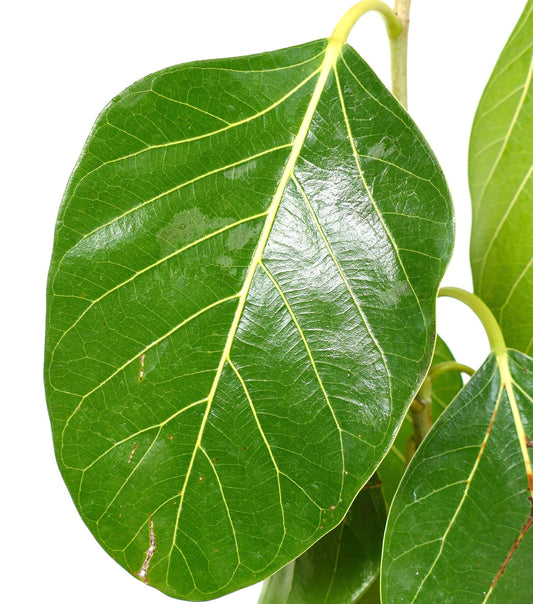
The Ficus elastica, known as the rubber plant, originates from the eastern Himalayas and Southeast Asia. It is recognized for its large, leathery, glossy leaves, which can reach up to 30 centimeters in length. This species tolerates a range of light conditions but prefers bright, indirect light. Its robust nature and air-purifying qualities make it a favored choice for indoor environments. In the wild, Ficus elastica contributes to forest canopy dynamics and supports diverse fauna.

Caring for Ficus Plants

Ficus species generally require bright, indirect light, moderate watering, and well-drained soil to flourish. They display adaptations such as aerial roots in some species, which aid in support and nutrient absorption. Popular varieties include Ficus lyrata (fiddle leaf fig), known for its large, violin-shaped leaves, and Ficus microcarpa, often used in bonsai for its dense foliage and interesting root structures. These plants play an important ecological role by providing shelter and food for various organisms.

In addition,

  • Ficus species often engage in mutualistic relationships with fig wasps, essential for their pollination.
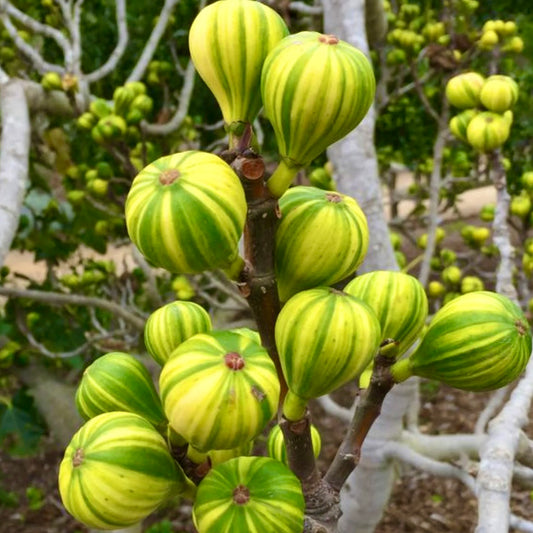
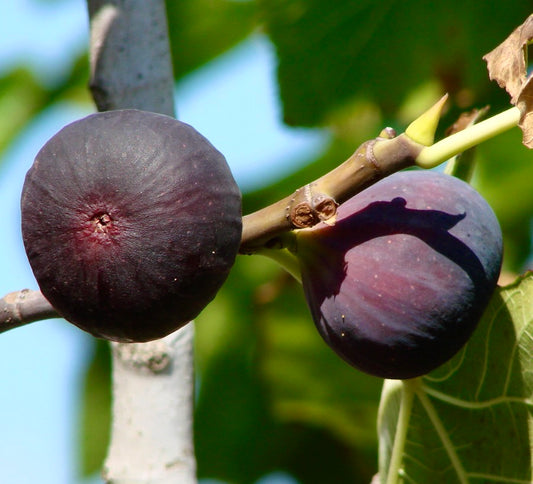
  • Many species produce fruit that sustains wildlife, including birds and mammals.
  • Their root systems help stabilize soil and prevent erosion in native habitats.
  • Some species adapt to urban environments, contributing to air quality improvement.

Exploring the world of Ficus reveals their ecological importance and aesthetic value, making them enduring favorites among plant enthusiasts and ecologists alike.