Leptospermum Plant
Discover the Versatile Beauty of Leptospermum
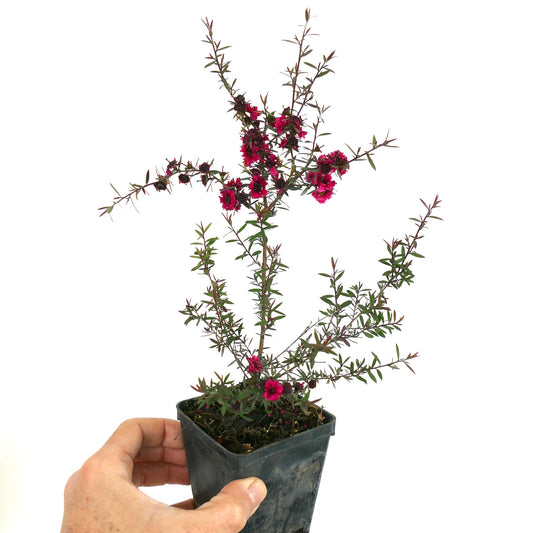
The Leptospermum, often known as the tea tree or manuka, is a striking shrub prized for its ornamental flowers and practical uses. This evergreen plant, part of the Myrtaceae family, is native to Australia and New Zealand, where it thrives in diverse habitats ranging from coastal cliffs to mountain slopes. Its foliage varies from fine and needle-like to broader, aromatic leaves, while its flowers—delicate, five-petaled blooms—range in color from pristine white to soft pink and deep magenta. These blossoms often appear in abundance, carpeting the branches in a profusion of color that attracts bees and other pollinators. Highly adaptable and remarkably tough, Leptospermum brings both ruggedness and grace to the garden. In addition to its visual charm, the plant is known for its antimicrobial properties and is closely associated with the production of manuka honey, one of the world’s most valued natural health products. Whether planted as a hedge, a container specimen, or a free-growing feature shrub, Leptospermum adds year-round texture, interest, and function to a wide range of outdoor spaces.
Enhance Your Garden with Leptospermum
Ideal for drought-tolerant gardens, Leptospermum thrives in sunny, well-drained conditions. Its low water needs and tolerance to poor soils make it especially suitable for xeriscaping and sustainable planting schemes. Once established, it requires little irrigation and can handle prolonged dry periods, making it an excellent choice for eco-conscious gardeners. The delicate manuka flowers bloom from late winter into spring or even summer, depending on the species, offering months of vibrant color. Their nectar-rich nature supports pollinator populations, especially native bees and honeybees, contributing to local biodiversity. Thanks to its compact growth habit and dense foliage, Leptospermum also serves as an effective privacy screen or windbreak in exposed locations. It works harmoniously in native plantings, rock gardens, and coastal gardens, where salt-tolerance is a plus. As an ornamental shrub or part of a layered planting design, it provides structure, seasonal interest, and environmental value without demanding high maintenance or intervention.
Care and Maintenance of Leptospermum
Caring for Leptospermum is straightforward. Simple pruning keeps it neat, while proper propagation ensures healthy growth. Pruning should be done after flowering to maintain the plant’s shape and promote bushier, more floriferous growth in the following season. Avoid heavy pruning into old wood, as Leptospermum may not resprout well from older stems. This shrub is fast-growing in the right conditions and responds well to regular light trimming. Propagation is best done from semi-hardwood cuttings taken in late summer or from seeds sown in well-drained propagation mix. While it performs best in full sun, Leptospermum can tolerate light shade and adapts well to a variety of soil types, including sandy and gravelly substrates. One of its strongest advantages is its natural resistance to pests and diseases, making it a low-maintenance choice that thrives without the need for chemical treatments. Its resilience and adaptability make it suitable for gardeners of all levels, from casual enthusiasts to professional landscapers.
Why Choose Leptospermum?
From its role in producing manuka honey to its use as a medicinal plant, Leptospermum is both beautiful and functional. Its essential oils are known for their antiseptic and anti-inflammatory properties, and the nectar from certain species—especially Leptospermum scoparium—forms the basis of manuka honey, prized globally for its health benefits. Beyond its practical uses, Leptospermum holds strong ornamental appeal, with its textured bark, dense foliage, and long-lasting flowers contributing to four-season interest in the landscape. It is a top choice for creating wildlife-friendly gardens, herbal landscapes, or even minimalist contemporary settings where subtle elegance is key. Its ability to tolerate coastal winds, poor soils, and limited irrigation makes it a champion of climate-resilient gardening. Whether you're designing a native planting palette, creating a pollinator corridor, or simply looking for a tough yet refined evergreen, Leptospermum delivers beauty, biodiversity support, and sustainable value in equal measure.