Discover the Beauty of Haworthia Succulents
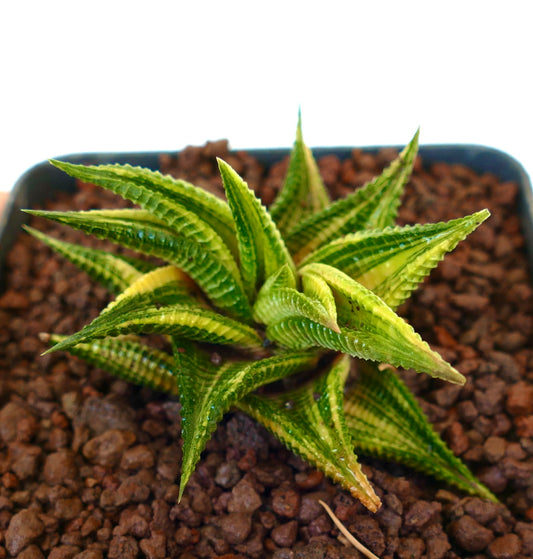
The Haworthia genus includes a diverse array of succulent plants primarily native to the arid regions of Southern Africa. These plants have developed unique rosette formations and distinctive leaf patterns that enable them to thrive in harsh, rocky habitats with limited water availability. Their compact size and architectural foliage make them suitable for cultivation in both indoor and outdoor botanical collections. Prominent species such as H. fasciata (Zebra Plant) and H. Cooperi feature translucent leaf tips and striking banded markings. These features not only add to their ornamental appeal but also serve as adaptations to their natural environments by optimizing light absorption and reducing water loss.
Haworthia: The Perfect Succulent for Every Home
Haworthia species thrive in well-drained, sandy soils that mimic their native rocky terrain. They prefer indirect sunlight, which helps preserve the vibrancy of their leaves and prevents damage from intense solar radiation. Many species exhibit specialized morphological adaptations such as thick, fleshy leaves that store water and minimize transpiration. For example, Haworthia Retusa possesses triangular, windowed leaves that allow light to penetrate deep into photosynthetic tissues, an evolutionary trait suited for low-light conditions. These succulents grow slowly, making them ideal for confined indoor spaces and small garden settings.
Ecologically, Haworthia plants play important roles in their native ecosystems by stabilizing soil and creating microhabitats for small invertebrates. Their presence contributes to maintaining biodiversity in arid landscapes where water is scarce and environmental conditions are challenging.
How to Care for Haworthia Plants
To successfully cultivate Haworthia succulents, it is essential to replicate their natural growing conditions. They require infrequent watering, allowing the soil to dry completely between sessions to prevent root rot. Maintaining good air circulation and moderate temperatures supports healthy development. Species like Haworthia Cymbiformis adapt well to container growth, making them accessible to beginners. These plants often enter dormancy during hot summer months, which lowers their water needs and metabolic activity. Furthermore, Haworthia propagate easily through offsets, facilitating sustainable growth and propagation.
Key care points include:
- Use porous, well-draining soil to avoid waterlogging and root diseases.
- Position plants where they receive bright but filtered light to prevent sunburn.
- Water sparingly, especially during dormancy, to mimic natural rainfall cycles.
- Maintain temperatures between 60-85°F (15-29°C) to simulate their native climate.
- Ensure good ventilation to reduce fungal infection risks.
Why Choose Haworthia for Your Collection
Haworthia plants are highly adaptable and require minimal space, making them excellent choices for various indoor environments. In their natural habitats, they retain moisture within rocky crevices and provide shelter for microfauna, thus supporting ecosystem diversity. Species such as Haworthia Truncata feature truncated, thick leaves, while Haworthia Limifolia exhibits rough, ridged foliage, showcasing the genus's morphological diversity. These traits contribute to their popularity among succulent enthusiasts who appreciate botanical variety and resilience.
Haworthia: A Succulent Enthusiast’s Favorite
Both novice and experienced growers value the Haworthia genus for its wide range of forms and colors, which enrich any succulent collection. Their low maintenance requirements and intriguing adaptations make them subjects of botanical interest and scientific study. Overall, Haworthia succulents combine ecological importance with aesthetic appeal, enhancing both botanical gardens and home environments.