Pseudocydonia: The Unique Ornamental and Fruiting Genus
The Pseudocydonia genus, a member of the Rosaceae family, includes the notable species Pseudocydonia sinensis, commonly known as the Chinese quince. These deciduous trees are distinguished by their ornamental bark that exfoliates in attractive patterns, fragrant flowers, and edible fruit. They hold significant value in both horticulture and landscaping due to these features.
What is Pseudocydonia?
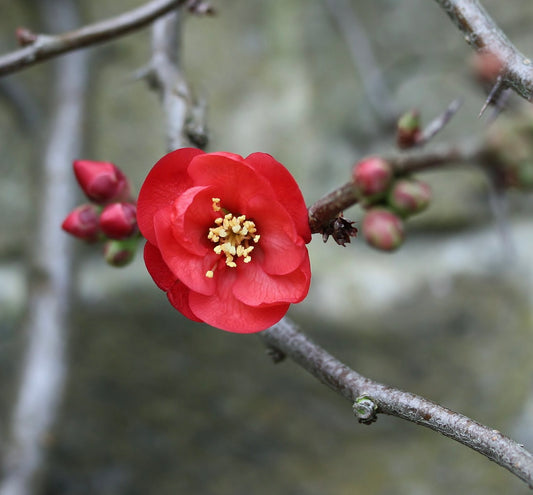
Pseudocydonia naturally grows in East Asia, particularly in China and Korea, thriving in temperate climates. It adapts well to different soil types but prefers well-drained soil. Morphologically, the tree can reach heights of 10 to 15 meters, with leaves that are simple and ovate. The tree produces solitary, pale pink to white blossoms in spring, which attract various pollinators such as bees and butterflies. Its fruit is a large, hard pome, resembling a quince, and it matures in autumn. Ecologically, Pseudocydonia contributes to local biodiversity by providing food for wildlife and supporting pollinator populations.
How to Grow and Care for Pseudocydonia
Successful cultivation of Pseudocydonia involves planting in areas with full sun exposure to maximize flowering and fruiting. The species requires moderate watering, ensuring the soil remains moist but not waterlogged, as excessive moisture can lead to root diseases. It tolerates a range of climates but thrives best in temperate zones. Pruning during late winter or early spring helps maintain the tree’s shape, removes deadwood, and promotes better air circulation. This practice also encourages more abundant flowering and fruit production. The genus is generally disease-resistant, but growers should monitor for fungal infections in humid conditions.
Pseudocydonia in Landscaping and Horticulture
The decorative bark of Pseudocydonia peels in irregular flakes, revealing a smooth, orange-brown surface beneath, which adds winter interest to gardens. Its fragrant blossoms bloom in spring, attracting pollinators and enhancing garden biodiversity. The fruit, though hard and sour when raw, is commonly processed into jams, teas, and traditional medicines due to its aromatic properties and potential health benefits. In addition, Pseudocydonia bonsai is cherished for its intricate branching and leaf structure, making it a popular subject for bonsai enthusiasts. This genus also plays a role in supporting urban wildlife by providing food and habitat.
Common horticultural uses include:
- Ornamental specimen trees in parks and gardens
- Natural hedgerows and windbreaks
- Source of traditional medicinal extracts
- Bonsai cultivation for aesthetic appreciation
- Attracting and sustaining pollinator populations
Common Issues and Maintenance Tips
Although Pseudocydonia is largely low-maintenance, it can suffer from fungal diseases such as leaf spot or powdery mildew, especially in environments with high humidity or poor air circulation. To prevent these issues, ensure proper spacing between plants and avoid excessive watering. Applying a balanced fertilizer in early spring supports vigorous growth and enhances flowering. Regular inspection for pests and diseases helps maintain tree health. Additionally, removing fallen leaves and fruit reduces the risk of fungal spores spreading. Overall, attentive care promotes longevity and the ornamental qualities of Pseudocydonia.