Aromatic Plants

The Aromatic Plants Collection includes herbs and scented foliage like rosemary, mint, and lavender, ideal for cooking, decorating, and wellness. Perfect for balconies, garden borders, or indoor pots, these plants combine fragrance, flavor, and functionality.

Collection: Aromatic Plants

Aromatic Plants: Scented Beauty and Culinary Delight

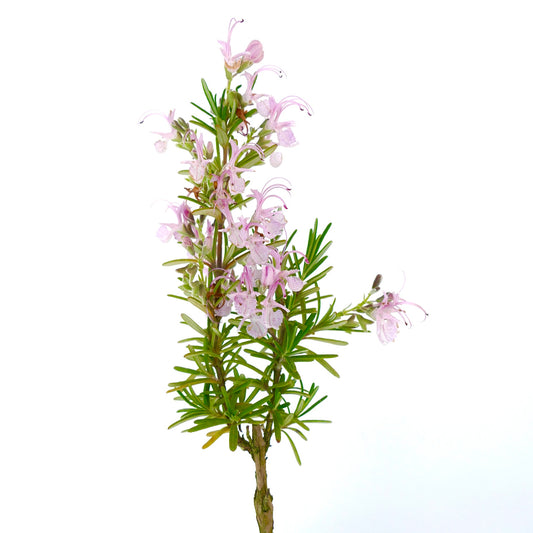
Aromatic plants combine ornamental appeal with practical uses, enriching both indoor and outdoor environments. They release natural fragrances that enhance spaces such as balconies, kitchen gardens, and patio planters. This diverse group includes well-known scented herbs like lavender, rosemary, and mint, along with other fragrant perennials that flourish in pots or garden beds. These plants have evolved various morphological adaptations, such as glandular trichomes, which produce essential oils responsible for their characteristic aromas.

Natural Fragrance for Home and Garden

The unique scent of aromatic plants results from volatile compounds that serve ecological roles, including attracting pollinators and deterring herbivores. Many species thrive in Mediterranean climates, where their drought resistance and tolerance to poor soils make them well-suited for sustainable gardening. Their presence supports biodiversity by providing nectar and habitat for bees, butterflies, and other beneficial insects. Common examples include thyme, sage, and lemon balm, which adapt well to various growing conditions.

Culinary and Wellness Uses

Beyond their fragrant qualities, aromatic plants hold significant culinary and therapeutic value. Fresh or dried, they enhance the flavor profiles of numerous dishes and beverages. Herbal teas, infused oils, and natural remedies often utilize these plants for their bioactive compounds, which may offer antioxidant, anti-inflammatory, and antimicrobial effects. Many aromatic herbs, such as basil and oregano, have been integral to traditional medicine and modern herbalism. Their cultivation supports organic gardening practices and permaculture designs.

These plants thrive on kitchen windowsills and in permaculture gardens, where their compact growth and perennial nature facilitate easy harvesting. In addition, they contribute to soil health and pest management when used in companion planting schemes.

Easy to Grow and Maintain

Most aromatic plants adapt readily to a range of climates and soil types, demanding minimal maintenance. Sun-loving Mediterranean herbs develop drought tolerance through deep root systems and waxy leaves, while shade-tolerant species can grow under tree canopies or in less sunny garden spots. Their resilience reduces the need for irrigation and chemical inputs, promoting sustainable cultivation. Furthermore, many aromatic plants attract pollinators and predatory insects, enhancing ecological balance in garden ecosystems.

Here are some key characteristics of aromatic plants:

  • Drought-resistant adaptations that conserve water
  • Pollinator-friendly flowers supporting local biodiversity
  • Ideal companions for pest control in mixed plantings
  • Perennial growth habits ensuring long-term garden presence
  • Ability to thrive in containers or garden beds

Versatile and Multi-Purpose

Aromatic plants serve multiple roles in horticulture, from enhancing garden aesthetics to providing insect-repelling properties. Their fragrant borders and herb spirals create sensory-rich spaces, while their culinary uses add flavor and nutrition to meals. Additionally, some species emit volatile compounds that naturally deter pests, reducing reliance on synthetic chemicals. This versatility makes them valuable components in sustainable gardening and urban greening projects.

Overall, aromatic plants represent a fascinating group with ecological, culinary, and decorative importance. Their cultivation supports biodiversity, promotes wellness, and enriches living environments with natural scents and flavors.