Collection: Berberis
Berberis: The Versatile Barberry Shrub
The Berberis genus, commonly called barberry shrubs, includes a wide variety of species that enrich gardens and natural environments with their vibrant foliage and striking seasonal changes. These shrubs exhibit remarkable adaptability, thriving in diverse climates ranging from temperate to subtropical zones. Notable species such as the thunbergii and Berberis orange rocket exemplify this adaptability and ornamental appeal, making them favored plants for gardeners and horticulturists around the world.
Stunning Varieties
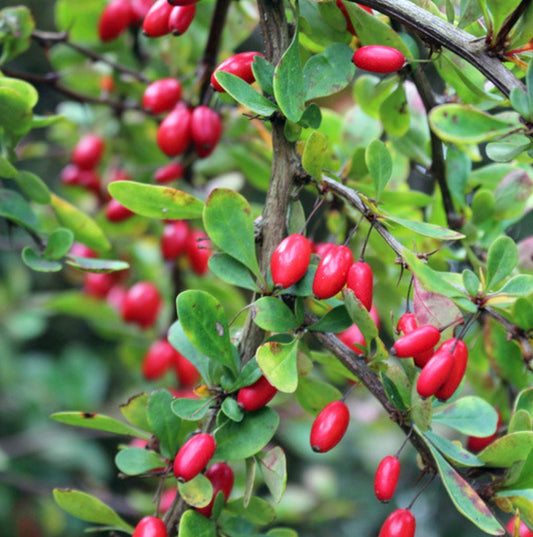
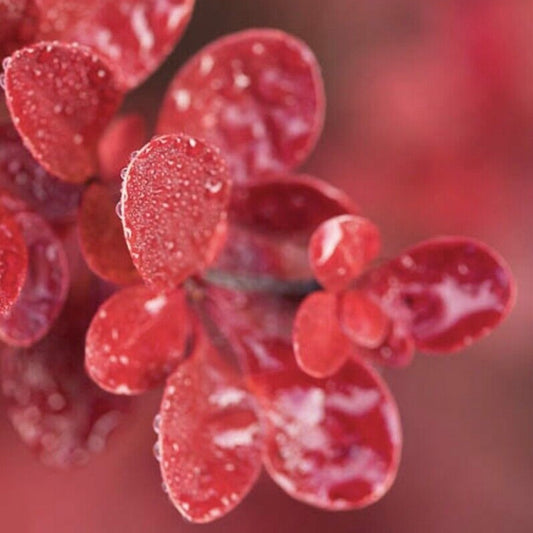
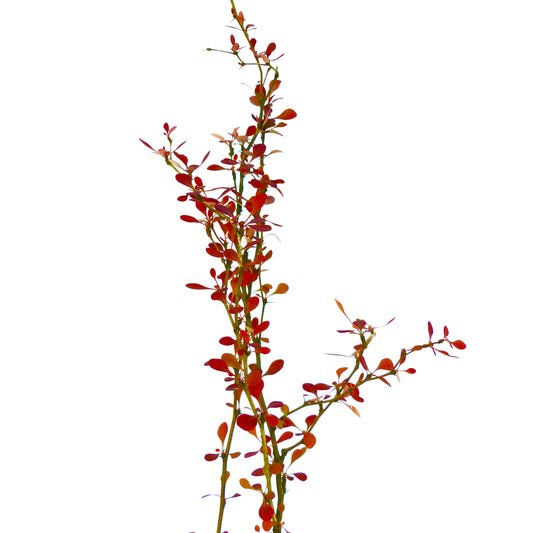
The Berberis genus displays extensive morphological diversity, which enhances both its decorative and ecological importance. For instance, the deep red leaves of Berberis crimson pygmy create a vivid contrast against the bright yellow foliage of Berberis sunjoy citrus. Evergreen species like Berberis darwinii and Berberis julianae retain their green leaves year-round and bear bright berries that attract numerous bird species, supporting local wildlife and ecosystems. These shrubs adapt to various habitats, from dense forests to rocky slopes, showcasing their ecological flexibility and resilience.
Care and Cultivation
Successful growth of Berberis depends on understanding their ecological preferences. They thrive best in well-drained soils and tolerate a range of light conditions, from full sun to partial shade, which optimizes their photosynthesis and flowering. Species such as Berberis aquifolium and Berberis vulgaris benefit from regular pruning to maintain a compact form and encourage denser foliage growth. Seasonal fertilization enhances their development and flowering capacity. Their thorny branches act as natural defenses against herbivores, an evolutionary trait that increases their survival chances in native habitats.
Benefits and Uses
Berberis shrubs provide numerous ecological and practical benefits beyond their aesthetic value. They are commonly used to create hedges and privacy barriers due to their dense growth and thorny protection, effectively deterring animals and intruders. Species like Berberis repens and Berberis concorde play crucial roles in soil stabilization and erosion control on slopes and disturbed lands. Their berries serve as a vital food source for birds, helping maintain local biodiversity. In essence, Berberis combines ornamental beauty with important ecological functions, making it a valuable genus in both cultivated gardens and natural ecosystems.
Moreover, Berberis species exhibit several adaptive traits that enhance their ecological success. For example,
- they tolerate drought and resist many pests, which supports their survival in harsh conditions;
- their root systems improve soil structure and aid nutrient cycling, benefiting neighboring plants;
- they often serve as nurse plants, fostering the growth of other species by creating favorable microhabitats;
- their flowers attract pollinators such as bees and butterflies, which supports broader ecosystem pollination;
- and their adaptability enables them to thrive in both urban and rural settings, reflecting their ecological plasticity.
These characteristics explain why Berberis continues to be a significant genus for botanical research and ecological restoration efforts worldwide.