Pilgerodendron: A Rare and Ancient Conifer
The Pilgerodendron, especially the species Pilgerodendron uviferum, is a remarkable conifer native to the temperate rainforests of southern South America. This ancient tree species thrives in cool, moist environments and is notable for its exceptional resilience and longevity. It has adapted to survive in challenging conditions, making it an important subject for botanical studies and ecological conservation.
What is Pilgerodendron?
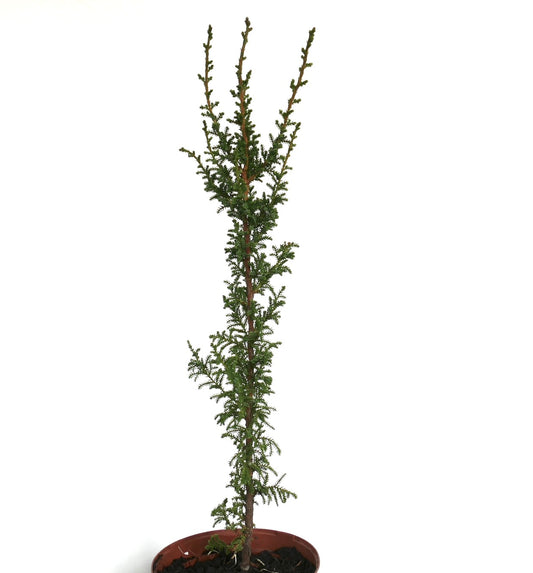
Pilgerodendron uviferum belongs to the Cupressaceae family and is the southernmost conifer species in the world. It commonly grows in the wet forests of Chile and Argentina, particularly in regions characterized by high humidity and acidic soils. Morphologically, it features scale-like leaves and reddish-brown bark, which protect it from fungal infections and harsh weather. As a slow-growing tree, it can reach impressive ages, sometimes exceeding a thousand years, illustrating its ecological persistence.
How to Care for Pilgerodendron Trees
To cultivate Pilgerodendron uviferum successfully, one must replicate its native habitat conditions. It prefers cool temperatures and consistently moist, acidic, and well-drained soils. The tree benefits from high humidity levels, which support its growth and reduce stress. Gardeners should provide regular watering, especially during dry periods, and apply mulch around the base to maintain soil moisture and temperature stability. Additionally, this species tolerates shaded environments, making it suitable for understory planting in temperate botanical gardens.
Some key care tips include:
- Maintaining soil pH between 4.5 and 6.0 to mimic its natural acidic environment
- Ensuring good drainage to prevent root rot
- Protecting young plants from strong winds and frost
- Providing partial shade to moderate sunlight exposure
- Monitoring for pests such as aphids and fungal diseases
Uses and Benefits of Pilgerodendron
Pilgerodendron uviferum plays a crucial ecological role in its native forests. It supports biodiversity by providing habitat and food for various bird and insect species. The tree also contributes to soil stabilization, which helps prevent erosion in steep, rainy terrains. Historically, its durable and decay-resistant wood was used in local construction and carpentry, valued for its strength and longevity. However, due to conservation concerns, harvesting is now strictly regulated to preserve natural populations. The species’ ecological importance and unique characteristics have made it a focus of reforestation and conservation programs in South America.
Where to Buy Pilgerodendron
Obtaining Pilgerodendron plants or seeds requires sourcing from specialized nurseries or conservation initiatives dedicated to rare and endangered species. These sources often ensure genetic diversity and responsible propagation practices. Enthusiasts interested in adding this conifer to a collection should seek plants cultivated under conditions that promote healthy growth and sustainability. The tree’s adaptability to temperate, humid environments makes it an excellent choice for botanical gardens aiming to represent South American flora.


 Sold out