
Ginkgo
-
Ginkgo biloba
Regular price From €11,70 EURRegular price -
Ginkgo biloba cv ‘Saratoga’
Regular price From €65,00 EURRegular price

Collection: Ginkgo
Discover the Timeless Beauty of Ginkgo Trees
Ginkgo Biloba: The Ancient Maidenhair Tree
The Ginkgo Biloba, often referred to as the Maidenhair Tree, is one of the oldest tree species in the world. With its unique, fan-shaped leaves and vibrant golden foliage in the fall, the Ginkgo tree is a favorite in ornamental landscaping and urban environments.
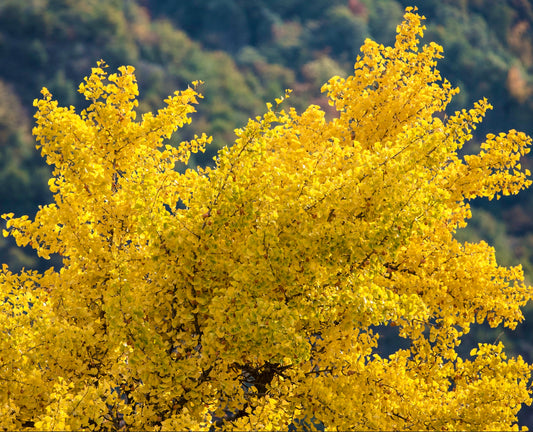
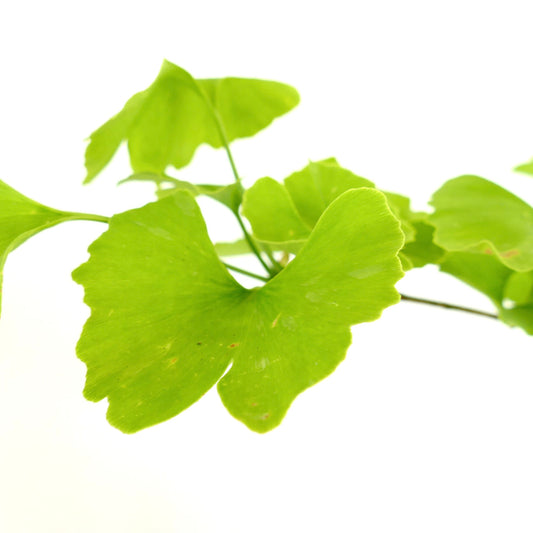
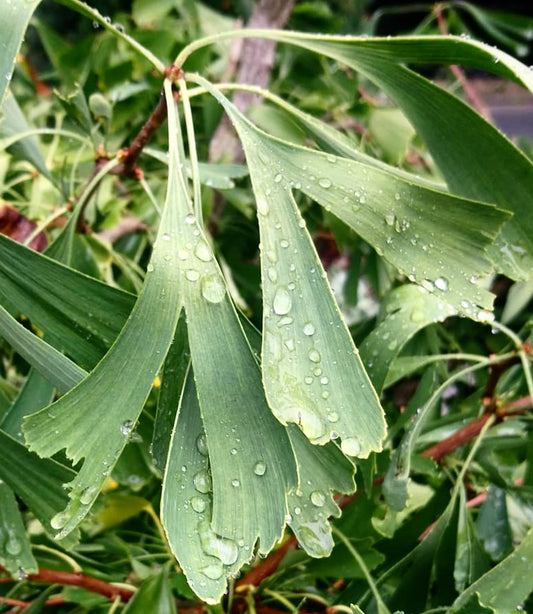
This living fossil dates back over 200 million years, surviving mass extinctions and climatic shifts that erased countless other plant lineages. Today, it stands alone in its family, Ginkgoaceae, making it a rare botanical relic. The leaf’s distinctive two-lobed shape resembles the delicate fronds of the maidenhair fern, from which it gets its common name. In autumn, the foliage turns an unmistakable, luminous yellow and often falls all at once, forming golden carpets beneath mature specimens.
Despite its ancient origins, the tree is incredibly modern in its use: it thrives in polluted cities, tolerates compacted soils, and shows high resistance to disease, making it a universal favorite among urban foresters and landscape architects. In East Asia, particularly in China and Japan, the tree holds spiritual and cultural significance, symbolizing endurance, hope, and peace. Several specimens in Hiroshima even survived the atomic bomb, continuing to grow today—another testament to its resilience.

The Benefits and Uses of Ginkgo Biloba
Apart from its stunning appearance, Ginkgo Biloba is celebrated for its potential health benefits, including improving memory and circulation. Its leaves are widely used in supplements and herbal remedies. Always consult a healthcare professional before use to ensure safety and efficacy.
Extracts from the tree’s leaves are among the most extensively studied in the world of herbal medicine. Rich in flavonoids and terpenoids, these compounds are believed to support cognitive function, slow age-related decline, and promote blood flow. Some studies suggest potential antioxidant effects and neurological support, though scientific consensus varies, and results can depend on extract quality and dosage.
Beyond its medicinal use, the Ginkgo tree also provides edible seeds enclosed in fruit-like structures, traditionally used in Asian cuisine. However, caution is necessary: the fleshy outer covering emits a strong odor when ripe and contains compounds that can irritate the skin. The seeds, too, must be prepared carefully due to natural toxins in their raw state.
As a symbol, the Ginkgo has been adopted by universities, museums, and environmental groups around the world. Its image appears in artwork, jewelry, literature, and philosophy—as a metaphor for resilience, longevity, and the harmonious coexistence of ancient nature with modern life.
Ginkgo in Landscaping and Urban Spaces
The Ginkgo tree thrives in diverse conditions, making it a popular choice for parks, gardens, and city streets. Its resilience to pollution and pests makes it an eco-friendly option. Planting a Ginkgo Biloba tree adds both beauty and history to your outdoor space.
These trees are frequently planted in rows along boulevards, framing promenades with their symmetrical crowns and creating golden alleys in autumn. Their tall, upright form and slow growth make them manageable even in tight urban settings. Cultivars such as ‘Autumn Gold’, ‘Princeton Sentry’, and ‘Fastigiata’ offer compact or columnar habits ideal for smaller spaces or formal designs.
Male trees are typically preferred in public plantings, as female trees produce fruit with a pungent odor when mature. However, some traditionalists continue to plant females for their cultural and culinary value. The species is also known for its deep root system, which provides excellent stability in high-wind zones or heavy urban soils, while reducing the risk of damaging pavement or infrastructure.
Its non-invasive root structure, low water requirements, and extreme cold-hardiness (down to −30°C or −22°F) make it suitable for a wide range of climates—from temperate gardens to subtropical cityscapes. Over time, mature specimens develop deeply ridged bark and an almost architectural presence, becoming landmark trees with minimal intervention.
Caring for Your Ginkgo Tree
Ginkgo trees are low-maintenance and adaptable. They prefer well-drained soil and full sun but can tolerate various environments. Regular watering during the early years ensures healthy growth and a lush canopy.
Once established, these trees become impressively self-sufficient, requiring little supplemental care beyond seasonal cleanup. In their youth, consistent watering helps build a strong framework of roots, which in turn supports more vigorous canopy development. Mulching around the base can assist with moisture retention and reduce competition from weeds or turf.
While Ginkgo Biloba tolerates a range of soil pH and types, it performs best in fertile, well-aerated ground. It’s highly resistant to urban stressors such as air pollution, road salt, compacted soil, and drought—qualities that have earned it a reputation as one of the toughest ornamental trees available.
Minimal pruning is needed; simply remove crossed or damaged branches in late winter to maintain structure. The species is not known to suffer from serious pest or disease issues, further easing the maintenance burden. In colder regions, saplings may require protection from frost in the first two years, though mature trees are extremely hardy.
Whether you're planting it as a street tree, in a courtyard, or in a private garden, this living fossil is a unique fusion of prehistoric elegance and modern resilience—bringing timeless character to any setting.
Other Collections in the Archive
-

Specimen Plants
Specimen Plants in our Store Specimen Plants captivate plant enthusiasts with their...
-
Catalogue Plants
Catalogue plants provide a wide variety of options to elevate your garden...
-

Gardening Tools & Soils
Gardening tools – essentials for healthy soils and thriving plants Building a...


