Collection: Stapelia
Stapelia: The Unique Starfish Cactus
The Stapelia genus consists of intriguing succulent plants notable for their star-shaped flowers that resemble starfish. These plants belong to the Apocynaceae family and are native to arid and semi-arid regions of southern and eastern Africa. They have adapted to survive in harsh environments through their fleshy stems that store water and minimize leaf surface area, reducing water loss. The Stapelia flowers emit a distinctive odor to attract specific pollinators such as carrion flies, which play an essential role in their reproductive cycle.
Stapelia Gigantea and Zulu Giant
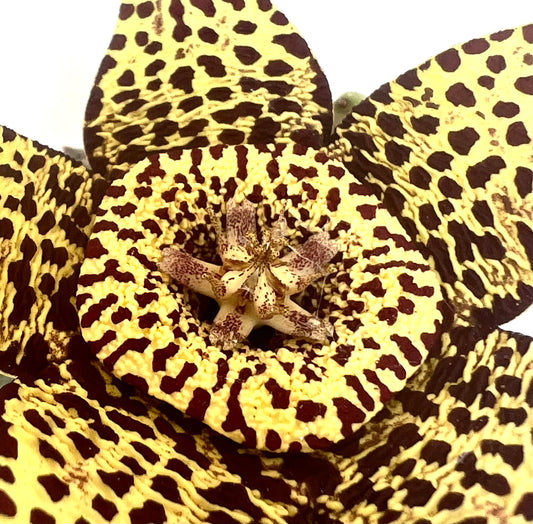
The species Stapelia gigantea, commonly known as the zulu giant, produces some of the largest star-shaped flowers within the genus. These blooms often reach diameters of up to 40 centimeters and feature intricate patterns of maroon and cream colors. This species thrives in well-drained, sandy soils and tolerates full sun to partial shade. Ecologically, the Stapelia gigantea attracts carrion flies by mimicking the scent and appearance of decaying organic matter, thus ensuring effective pollination. Gardeners appreciate its impressive floral display and relatively low maintenance requirements.
Stapelia Variegata and Grandiflora
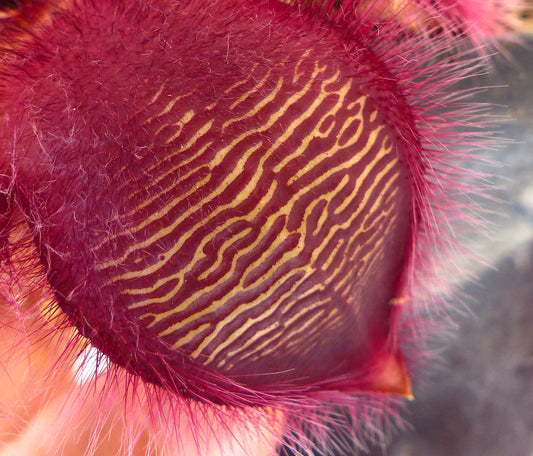
Smaller species like Stapelia variegata and Stapelia grandiflora also display star-shaped flowers but with more delicate patterns and slightly smaller sizes. These species adapt well to bright, indirect light conditions and require minimal watering, making them suitable for indoor cultivation and xeriscaping. Their floral morphology includes five petal-like lobes with hair-like structures, which contribute to their unique texture and appearance. These adaptations aid in attracting specific pollinators and protecting the flowers from excessive sun exposure.
Caring for Stapelia Plants
Stapelia plants thrive with simple care routines that mimic their natural environments. They require well-draining soil mixtures rich in sand or grit to prevent root rot. Watering should be infrequent, allowing the soil to dry thoroughly between sessions, especially during dormancy periods. Additionally, placing these succulents in sunny locations with some afternoon shade replicates their native habitat conditions. Proper air circulation also helps prevent fungal diseases. The following care aspects are crucial:
- Use a cactus or succulent soil mix for optimal drainage
- Water sparingly, particularly in cooler months
- Provide bright light with some shading during peak sun
- Maintain temperatures above 10°C (50°F) to avoid cold damage
- Ensure good air circulation to reduce disease risk
Decorative and Ecological Benefits
The Stapelia genus offers both aesthetic and ecological benefits. Their unusual, star-shaped flowers provide a striking visual element in gardens and collections. Moreover, their drought tolerance makes them valuable for sustainable gardening in arid regions. Ecologically, these plants support pollinator species specialized in carrion mimicry, thus contributing to local biodiversity. They also serve as a food source and habitat for various insects. The genus demonstrates an excellent example of coevolution between plants and pollinators in challenging environments.
In summary, the Stapelia genus presents a fascinating group of succulents with unique morphological and ecological traits. Their adaptability, distinctive flowers, and ecological interactions make them an important genus for both botanical study and horticultural interest.