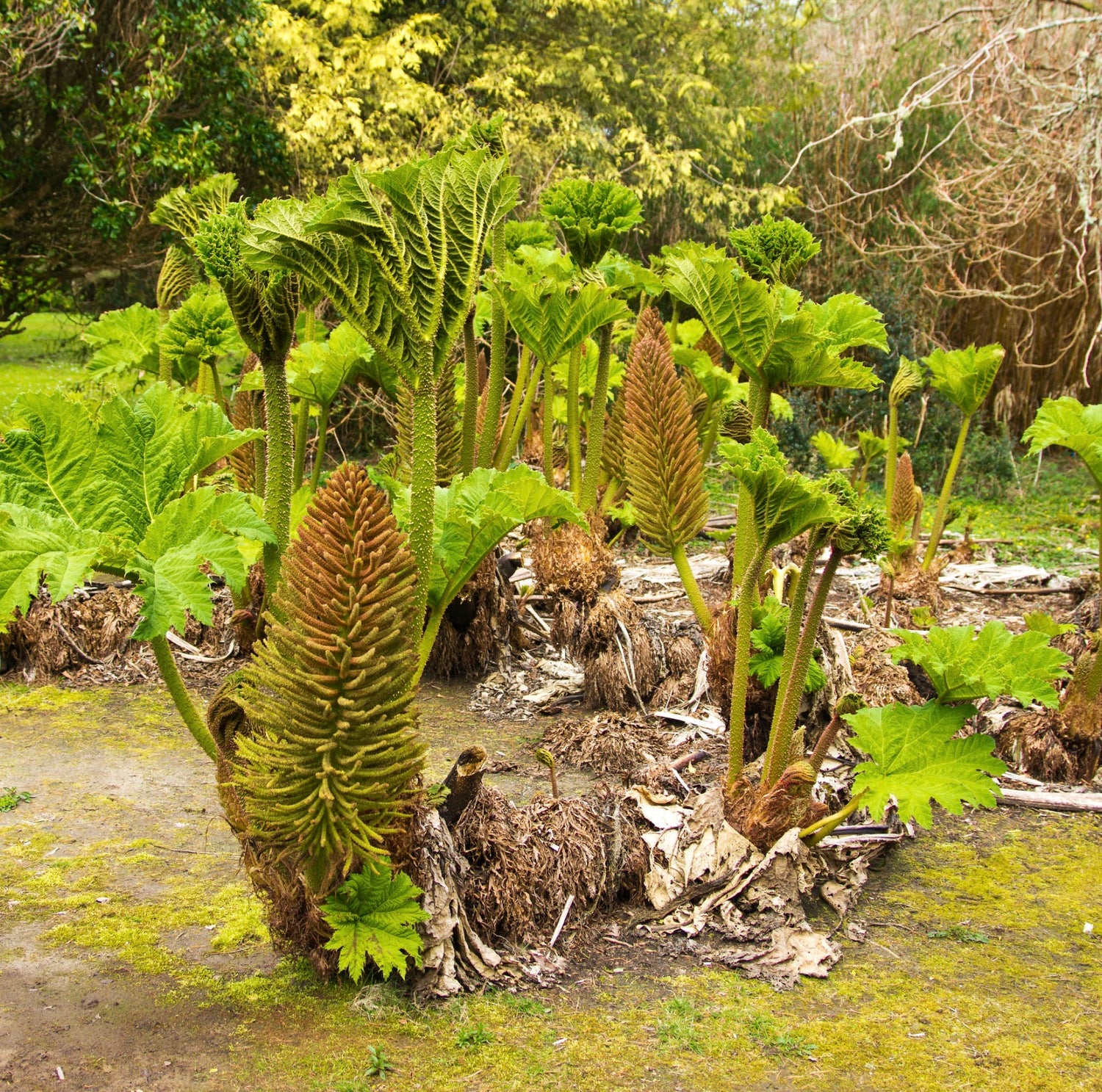
Cestrum (Night Blooming Jasmine)
Cestrum nocturnum, commonly called Night Blooming Jasmine, is a fascinating evergreen shrub known for its intensely fragrant flowers that bloom during the night. Native to the West Indies and parts of South America, this plant has adapted well to tropical and subtropical climates worldwide. Its nocturnal blooming habit helps attract specific pollinators such as moths, which are active after dusk. The shrub’s elegant appearance and enchanting scent make it a valued addition to gardens and patios.
Characteristics of Night Blooming Jasmine
This species features slender, elongated leaves that remain lush and green year-round. The tubular, pale-green to white flowers open at night, releasing a strong, sweet fragrance that can fill the surrounding air. The plant’s ability to bloom nocturnally is a remarkable adaptation to attract night-active pollinators, enhancing its reproductive success. Additionally, Cestrum nocturnum produces small red berries that serve as food for various birds, supporting local ecosystems. Its moderate height and bushy growth form provide shelter for insects and small animals.
Growing Cestrum nocturnum
Cestrum nocturnum thrives in well-drained, fertile soils and prefers full sun to partial shade. It tolerates a range of soil types but performs best in warm, humid environments. This plant shows notable resilience to drought once established, although regular watering promotes vigorous growth. It typically grows quickly, reaching heights up to 10 feet, which allows it to serve as a natural privacy screen or ornamental hedge. Gardeners appreciate its low maintenance needs and adaptability to container cultivation as well. The plant requires occasional pruning to maintain shape and encourage flowering.
Here are some key growing conditions for Cestrum nocturnum:
- Prefers tropical to subtropical climates with mild winters
- Needs well-drained, fertile soil with moderate moisture
- Thrives in full sun to partial shade exposure
- Responds well to regular pruning for shape and bloom optimization
- Moderately drought-tolerant once established
Uses of Cestrum Flower
The fragrant flowers of Cestrum nocturnum play an important ecological role by attracting nocturnal pollinators such as moths. These pollination interactions contribute to biodiversity and the health of garden ecosystems. Beyond its ecological value, the plant enhances garden aesthetics through its lush foliage and luminous flowers. The scent also creates a soothing atmosphere in outdoor living spaces during warm evenings. Furthermore, some cultures use the flowers in traditional practices, appreciating their aromatic qualities.
Benefits of Planting Night Jasmine
Planting Night Blooming Jasmine adds multiple benefits to gardens and landscapes. Its evergreen foliage provides year-round greenery, while the night-blooming flowers offer seasonal interest and aromatic pleasure. Additionally, the plant supports wildlife by offering nectar and berries to pollinators and birds. The shrub’s adaptability to various environments makes it a sustainable choice for enhancing biodiversity. Overall, Cestrum nocturnum contributes to creating serene, fragrant outdoor spaces with ecological and ornamental value.