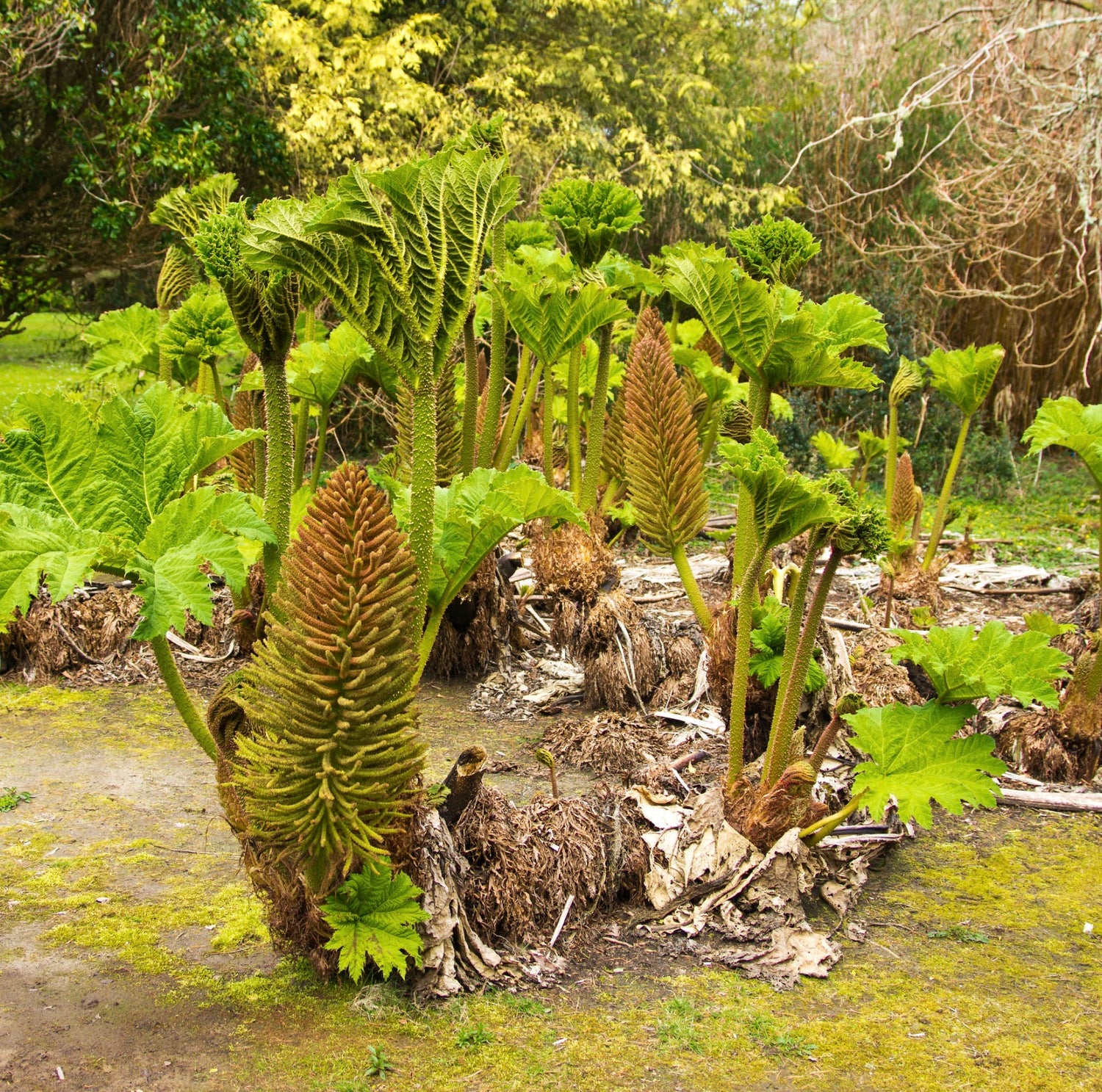
Kerria Japonica Plant
The Kerria Japonica plant is a deciduous shrub native to East Asia, particularly Japan, China, and Korea. It features bright yellow flowers that bloom profusely in spring, creating a striking display. This species thrives in temperate climates and adapts well to various soil types, although it prefers well-drained, fertile soils. Its ability to grow in shaded environments makes it a valuable addition to woodland gardens and shaded borders. Furthermore, Kerria tolerates drought conditions better than many other shrubs, which contributes to its popularity in sustainable gardening practices.
An Introduction to the Stunning Kerria Japonica
This ornamental shrub reaches heights of 1 to 2 meters and develops arching stems that often produce multiple yellow flowers resembling small roses. The plant’s leaves are bright green, serrated, and arranged alternately along the stems, providing a lush backdrop for its blossoms. Ecologically, Kerria plays a role in supporting pollinators such as bees and butterflies during its flowering season. Its natural habitat includes forest edges and hillsides, where it contributes to understorey diversity. Gardeners appreciate it for its low maintenance needs, as it requires minimal watering once established and benefits from moderate pruning to maintain shape and encourage new growth.
Care and Planting Tips for Your Kerria
To cultivate a healthy Japanese Kerria plant, plant it in partial shade to full sun locations, although it flowers best with some sunlight. Propagation commonly occurs through softwood cuttings or layering, both of which are effective and straightforward. Pruning Kerria after flowering helps rejuvenate the shrub and promotes vigorous blooming the following year. Its adaptability allows it to function well as a hedging plant, providing both aesthetic appeal and privacy. This shrub also resists many pests and diseases, making it a resilient choice for various garden settings.
Consider these key characteristics of Kerria Japonica when planning your garden:
- Thrives in partial shade and tolerates full sun
- Prefers well-drained, fertile soils
- Propagates easily through cuttings and layering
- Supports pollinators such as bees and butterflies
- Requires annual pruning for optimal flowering
Why Choose Kerria for Your Garden
The Kerria Japonica stands out among garden shrubs due to its vibrant spring blossoms and adaptable nature. It complements native plants by filling shaded or semi-shaded areas where many flowering shrubs struggle. Known commonly as the Japanese Rose, its bright flowers brighten landscapes early in the season. Moreover, its ability to thrive with minimal care and tolerate drought conditions makes it a sustainable option. Gardeners value it for adding texture and color while requiring little intervention, which aligns with ecological gardening principles.
Enhance Your Landscape with Kerria
Whether integrated into mixed borders, woodland gardens, or used as standalone specimens, Kerria Japonica enhances landscape diversity. Its spring flowers attract pollinators, contributing to local ecosystem health. This shrub’s resilience to drought and shade tolerance also allow it to perform well in urban gardens and naturalized areas. By incorporating Kerria into your planting scheme, you support biodiversity and enjoy a long-lasting floral display that enriches your outdoor space.