Hibiscus: A Vibrant Addition to Your Lifestyle
Hibiscus plants belong to the Malvaceae family and are widely admired for their striking flowers and diverse uses in gardens, health, and beauty. Native to warm-temperate, subtropical, and tropical regions worldwide, hibiscus species adapt well to various habitats, including coastal areas, riverbanks, open woodlands, and disturbed lands. Their ecological versatility allows them to thrive in both cultivated gardens and wild environments, where they play important roles in supporting local biodiversity.
The Beauty of Hibiscus Flowers
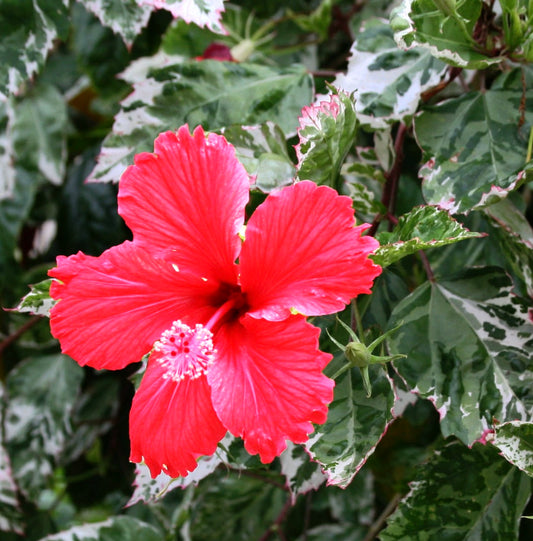
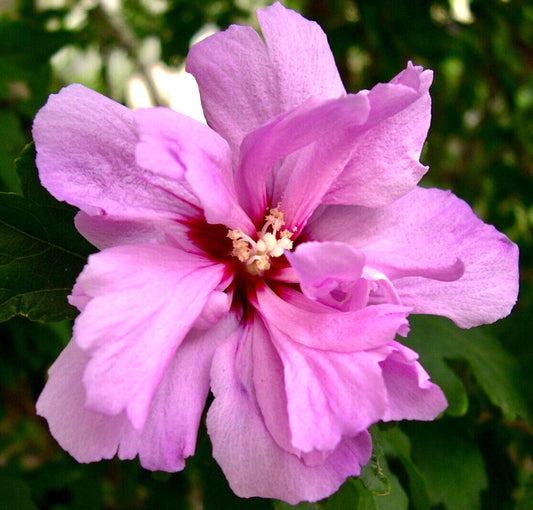
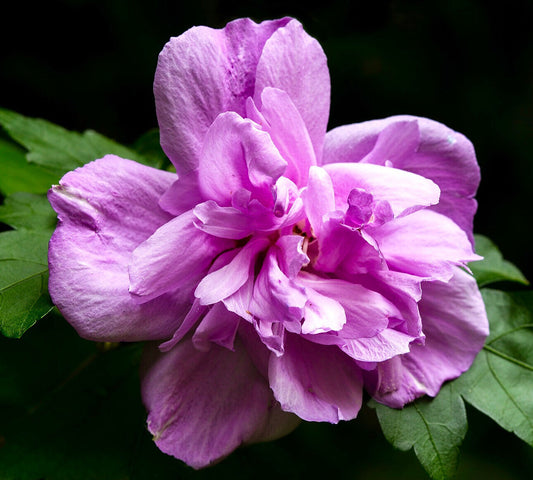
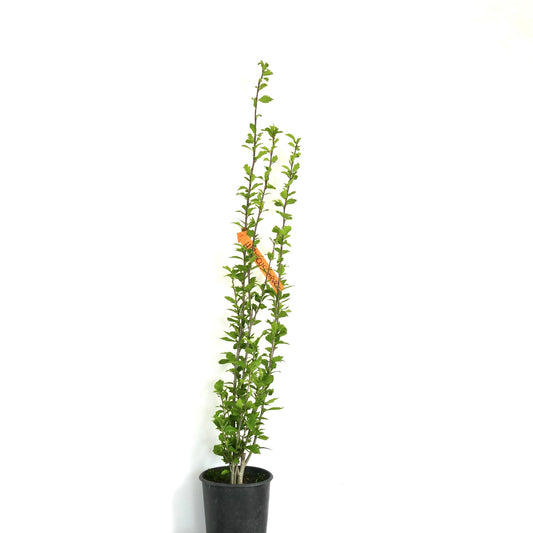
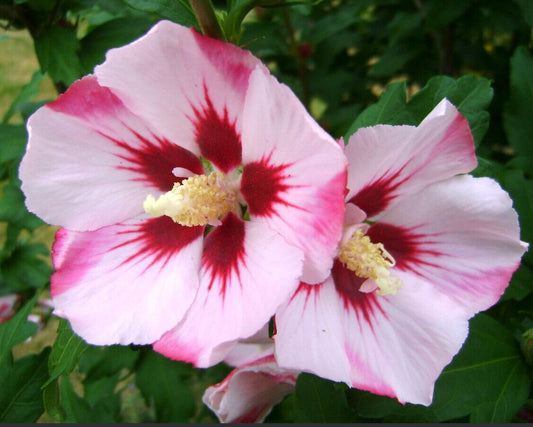
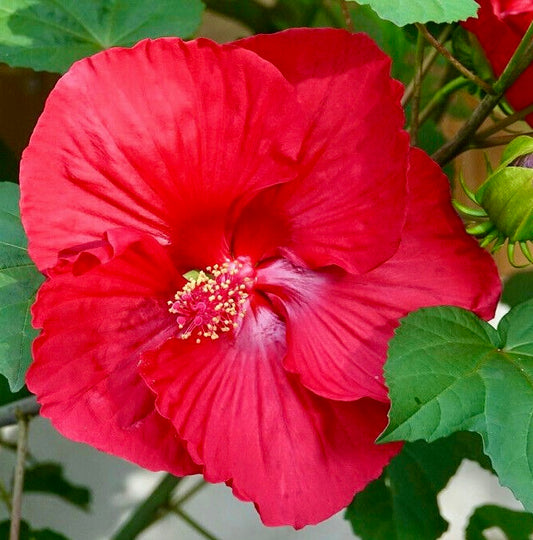
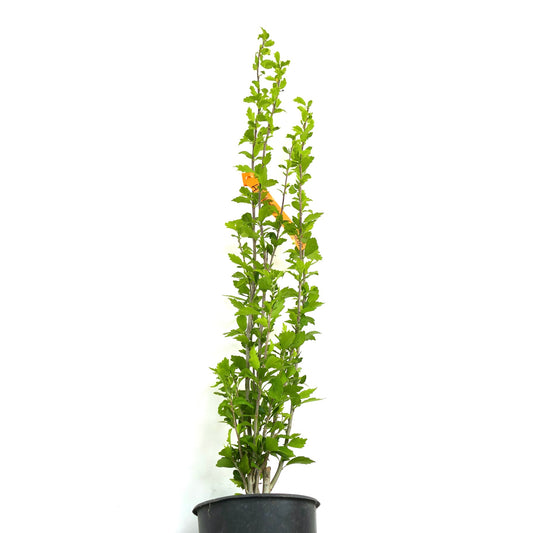
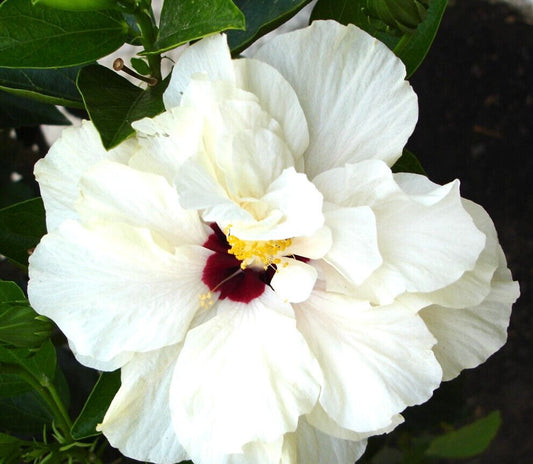
Hibiscus flowers are known for their large, trumpet-shaped blossoms that display vivid colors ranging from deep reds and bright pinks to soft yellows and whites. These vibrant flowers attract a variety of pollinators such as bees, butterflies, and hummingbirds, which contribute to the pollination of many plants in their ecosystems. The broad leaves and elegant flowers create a lush, tropical atmosphere, making hibiscus flowers a popular choice for ornamental gardening and landscaping worldwide. Gardeners value their ability to provide shade and enhance visual interest in mixed plantings, while the plant’s fast growth helps stabilize soil in erosion-prone areas.
Hibiscus Tea: A Wellness Essential
Hibiscus tea is a herbal infusion prepared from dried petals of certain hibiscus species, especially sabdariffa. This tea has a tart, cranberry-like flavor and is rich in antioxidants such as anthocyanins and vitamin C. Numerous studies suggest that hibiscus tea supports cardiovascular health by helping to regulate blood pressure and reduce cholesterol levels. Additionally, it enhances immune function and promotes digestive health by acting as a natural diuretic and mild laxative. People worldwide enjoy hibiscus tea both as a refreshing beverage in warm climates and as a traditional remedy for various ailments.
Hibiscus for Skin and Hair
The benefits of hibiscus extend beyond consumption. Extracts from its flowers and leaves contain moisturizing and anti-inflammatory compounds, making them valuable ingredients in skincare products. These extracts help improve skin elasticity, reduce wrinkles, and promote a youthful appearance. In hair care, hibiscus stimulates scalp circulation and nourishes hair follicles, which can enhance hair growth and reduce dandruff. Both traditional and modern cosmetic treatments frequently incorporate hibiscus to exploit these natural properties.
Other uses of hibiscus include its role in herbal remedies, culinary recipes, and decorative crafts. Its vibrant petals serve as natural dyes and garnishes in various cuisines, adding color and flavor. Ecologically, the plant supports pollinator populations by providing nectar and pollen, which benefits local insects and birds. This multifaceted role makes hibiscus an important species in many ecosystems.
Here are some key uses and ecological roles of hibiscus:
- Ornamental gardening for aesthetic appeal and shade
- Preparation of antioxidant-rich herbal teas to support health
- Inclusion in skincare and haircare products for moisturizing and anti-aging effects
- Use as natural dye and culinary ingredient to enhance food presentation
- Contribution to ecological balance by providing habitat and food for pollinators
Overall, hibiscus stands out as a multifaceted plant valued not only for its beauty but also for its health benefits and ecological importance across diverse environments.