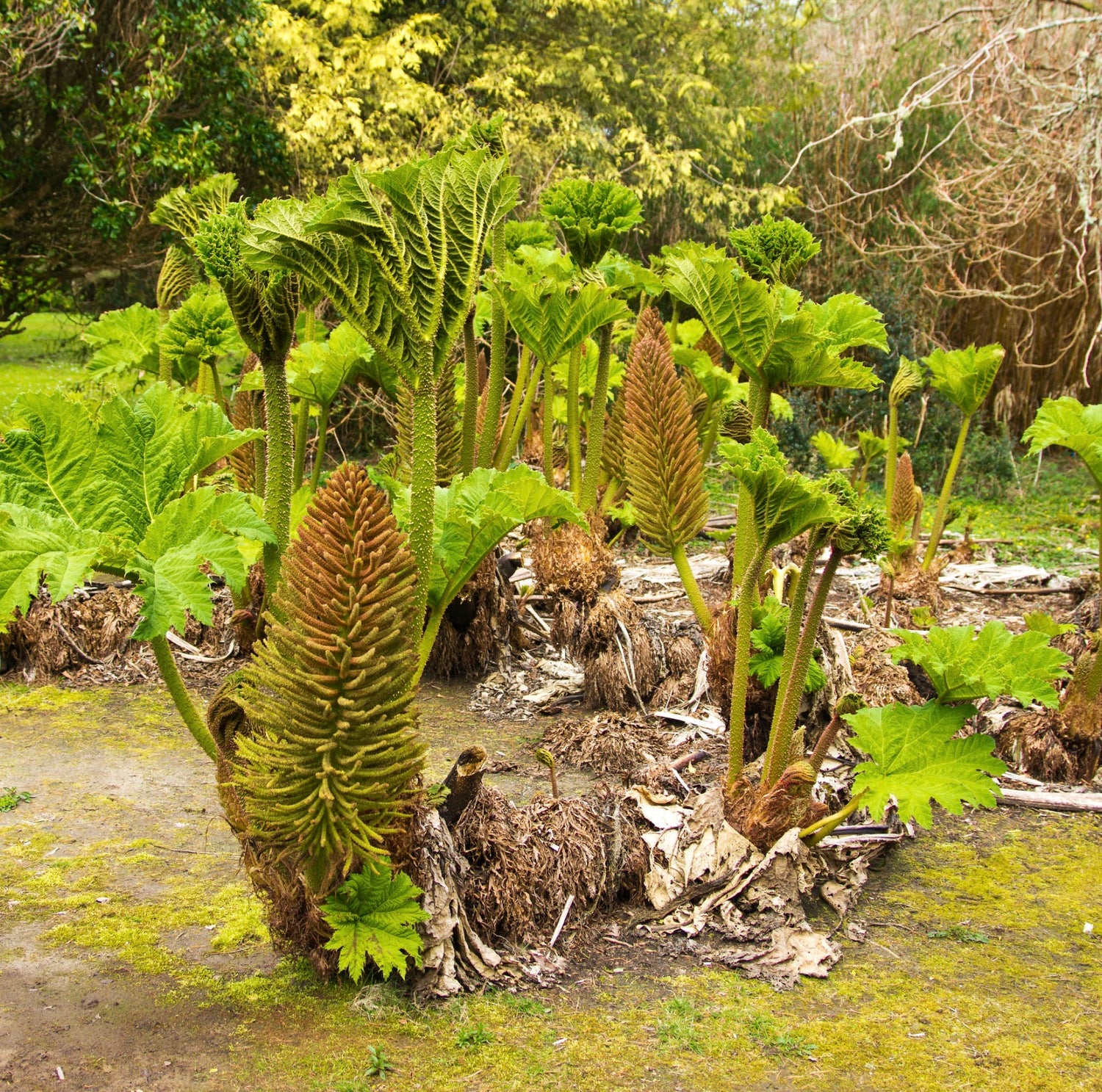
The Beauty of the Liquidambar Genus
The Liquidambar genus, commonly called the sweet gum tree, comprises deciduous trees known for their vibrant autumn foliage and distinctive star-shaped leaves. These trees belong to the family Altingiaceae and thrive in temperate regions across eastern North America, parts of Central America, and East Asia. Liquidambar species adapt well to various environments, from moist lowlands to hilly terrains, making them ecologically significant in their native habitats.
Discover the Stunning Liquidambar Genus
Liquidambar trees display remarkable morphological features, including lobed leaves that turn brilliant shades of red, orange, and yellow during fall. Their spiky, spherical fruit capsules serve as a food source for wildlife such as birds and small mammals. These trees also play an essential role in forest ecosystems by providing shade and habitat. For example, Liquidambar styraciflua, native to the southeastern United States, is widely studied for its ecological interactions and resilience.
Enhance Your Garden with Liquidambar Trees
Liquidambar species grow rapidly, often reaching heights between 60 and 100 feet. Their fast growth and dense canopy make them excellent for shade and windbreaks in cultivated landscapes. Furthermore, their adaptability to different soil types, including acidic and clay soils, adds to their horticultural value. Gardeners appreciate their ornamental qualities alongside their ecological benefits, such as supporting pollinators and improving soil quality.
- They attract various insects, including bees and butterflies.
- Their leaf litter enriches soil organic matter.
- They provide shelter for birds and small mammals.
- They tolerate urban pollution and compacted soils.
- They contribute to carbon sequestration in urban environments.
Caring for Liquidambar: Simple and Rewarding
Cultivating Liquidambar requires attention to pruning to encourage healthy growth and maintain shape. These trees propagate easily from seeds and cuttings, facilitating their spread in managed landscapes. They demonstrate moderate drought tolerance but prefer consistent moisture for optimal development. Importantly, Liquidambar species show natural resistance to many common pests and diseases, reducing the need for chemical treatments. Their robust adaptability suits both urban and rural conditions, where they contribute to biodiversity and landscape stability.
Why Choose Liquidambar for Your Landscape?
The Liquidambar genus offers a combination of striking aesthetics and ecological functions. Their shade-providing canopy moderates microclimates, benefiting understory plants and reducing urban heat islands. Additionally, these trees serve as native species in many regions, supporting local ecosystems and promoting sustainable landscaping practices. Whether planted in parks, gardens, or urban green spaces, Liquidambar trees enhance biodiversity and visual appeal while demonstrating resilience to environmental stressors.