
Dioscorea
-
Dioscorea elephantipes
Regular price From €18,00 EURRegular price -
Dioscorea batatas
Regular price €26,00 EURRegular price

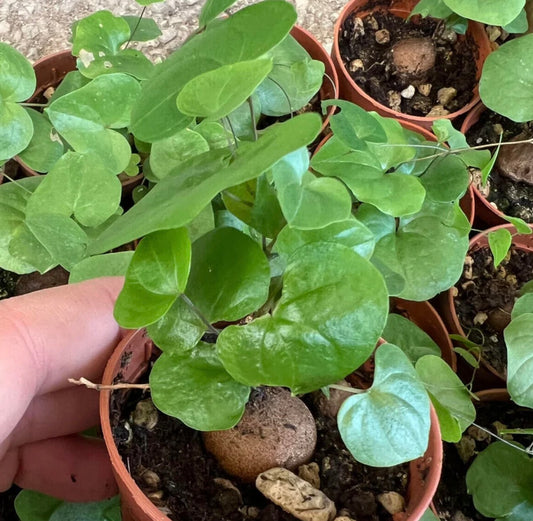

Collection: Dioscorea
Discover the Unique Dioscorea Plant
What is Dioscorea?
Dioscorea, including the iconic dioscorea elephantipes or "elephant’s foot yam," is a fascinating genus of plants prized for its tuberous growth and versatility. It serves as both an ornamental plant and an edible species.
Belonging to the family Dioscoreaceae, this genus contains over 600 species, many of which are known for their architectural forms and hardy nature. From the rugged, sculptural caudex of dioscorea elephantipes to the climbing vines of dioscorea bulbifera, the genus offers a wide spectrum of plant forms—ranging from subterranean tubers to aerial yams. Native primarily to Africa, Asia, and Central America, these plants have long histories of both culinary and ethnobotanical use. Some species, such as dioscorea opposita, are valued for their edible roots in traditional cuisine, while others are cultivated purely for their ornamental appeal.
Their slow and deliberate growth habit, combined with seasonal dormancy and impressive longevity, makes them excellent for collectors of rare or caudiciform plants. These botanical curiosities are often grown in shallow containers or raised beds to showcase their uniquely textured, woody tubers that resemble driftwood, tortoise shells, or cracked rock surfaces.

Why Choose Dioscorea?
Perfect for indoor and outdoor gardening, dioscorea combines beauty with utility. Its drought resistance, low maintenance, and unique appearance make it a standout in any collection.
These plants thrive on neglect, making them ideal for gardeners who appreciate plants that follow natural rhythms. Their water-storing tubers allow them to survive prolonged dry spells, while their delicate, twining vines add vertical interest during active growth phases. Whether cultivated in bonsai trays, ceramic pots, or naturalistic rock gardens, the plant's contrast between its hardened base and lacy, green foliage creates a compelling visual composition.
In addition to their ornamental value, several species hold cultural and medicinal significance. Some yams have been used for generations in traditional medicine and cuisine, although it's important to distinguish edible types from those with toxic compounds. The genus also appeals to collectors of succulents and exotic caudiciforms, thanks to its unusual life cycle and sculptural beauty.
With patience and the right conditions, Dioscorea species can live for decades, gradually enlarging their caudex and gaining character with each passing year. As such, they’re often passed down among plant collectors or featured in specialty botanical exhibitions.
Caring for Dioscorea
Dioscorea care involves well-draining soil, moderate watering, and regular attention to light. These tropical plants thrive in warm climates or with appropriate indoor conditions.
Well-drained, mineral-rich soils are essential. A mix containing coarse sand, pumice, and a small portion of organic matter is ideal to prevent root rot and ensure proper aeration. During the growing season—typically spring through early autumn—watering should be moderate and consistent, but always followed by a full drying of the soil. Overwatering or waterlogging can quickly damage the caudex.
Sunlight needs vary slightly by species: while dioscorea elephantipes benefits from bright indirect light or filtered sun, others like dioscorea alata can handle more direct exposure. Indoor growers should provide ample light, ideally near a south-facing window or under grow lights. During dormancy, which often occurs in winter, it’s best to reduce watering drastically or pause entirely.
Fertilize sparingly during the active period using a balanced, diluted liquid fertilizer. Too much nitrogen can encourage vine growth at the expense of caudex development. Pruning isn’t typically needed, but old vines can be removed when the plant goes dormant. Pests are rare, though occasional mealybugs or spider mites may appear, especially indoors.
Planting and Growing Dioscorea
Learn growing dioscorea tips to cultivate this remarkable plant. Whether you’re propagating dioscorea testudinaria or caring for yam vines, it’s both rewarding and straightforward.
Propagation is usually done by seed or bulbils, depending on the species. Seed-grown plants develop slower but often yield more striking caudex forms, while bulbils—produced along the vine in some species—can be harvested and planted with ease. Germination can take several weeks and benefits from warmth, light, and slightly moist conditions.
Patience is key, as many Dioscorea species are slow to develop their characteristic structures. However, this measured growth is part of their appeal: each year brings subtle changes, especially in the form and texture of the caudex. For climbing species, a trellis or support will allow the vines to stretch gracefully, and in the right setting, they can reach several meters in length during the active season.
Pair them with arid or subtropical companions like Adenium, Pachypodium, or Pelargonium for a display that emphasizes sculptural forms and unique growth habits. Whether grown for ornamental enjoyment or curiosity, the cultivation of these plants offers a long-lasting, evolving relationship between plant and grower—one shaped by observation, care, and natural rhythm.
Other Collections in the Archive
-

Specimen Plants
Specimen Plants in our Store Specimen Plants captivate plant enthusiasts with their...
-
Catalogue Plants
Catalogue plants provide a wide variety of options to elevate your garden...
-

Gardening Tools & Soils
Gardening tools – essentials for healthy soils and thriving plants Building a...


