Collection: Pyrus
Pyrus: The Versatile Genus of Pear Trees
The Pyrus genus includes a diverse group of pear trees known for their ecological and horticultural importance. These trees grow across temperate regions of Europe, Asia, and North Africa, adapting to various environments from woodlands to urban settings. They produce elegant blossoms in spring and bear fruits that serve as food for wildlife and humans alike.
Ornamental Varieties: Bradford Pear and Callery Pear
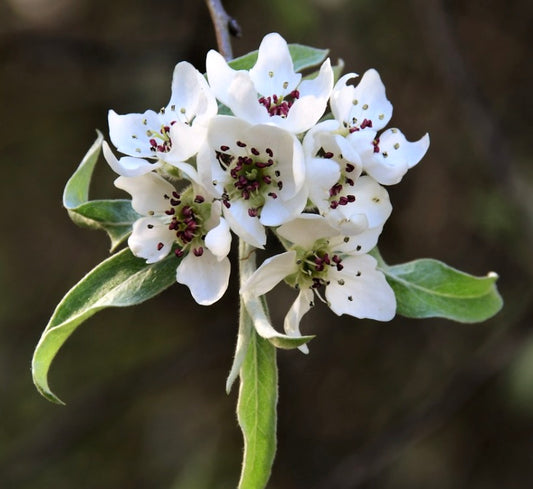
The Bradford pear tree (Pyrus calleryana) stands out for its striking white flowers and glossy green leaves, which turn vibrant colors in autumn. This species thrives in urban landscapes due to its tolerance of pollution and poor soil. Similarly, the Callery pear is valued for its rapid growth and dense canopy, providing shade and aesthetic appeal. Both species contribute to urban biodiversity by offering nectar for pollinators and shelter for birds.
- Bradford pear exhibits resistance to drought and pests.
- Callery pear adapts well to various soil types.
- Both species flower profusely in early spring.
- They provide essential resources for urban wildlife.
- These trees enhance air quality and reduce urban heat.
Fruit-Bearing Pyrus Species
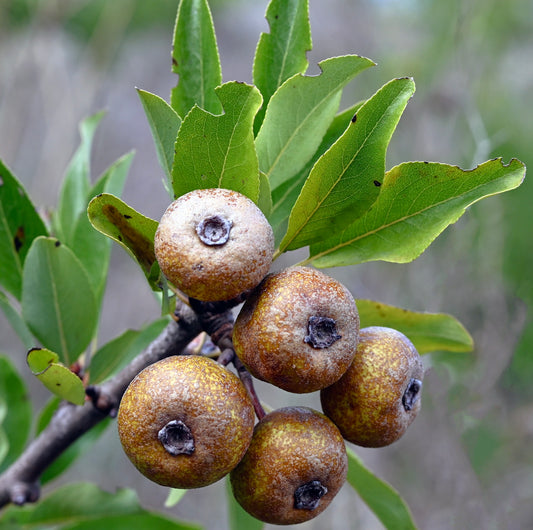
The Asian pear (Pyrus pyrifolia), often called the "apple pear," combines the crisp texture of apples with the sweet flavor typical of pears. It originates from East Asia, where it grows in temperate climates with well-drained soils. Another notable species, the Korean pear tree, produces juicy and fragrant fruits widely used in culinary traditions. These fruit-bearing species have evolved thick skins and firm flesh to protect against pests and extend shelf life. Furthermore, Pyrus communis, the European pear, is cultivated extensively for its sweet and soft fruits, adapted to cooler climates. The fruits of these species play an important ecological role by feeding various animals, including birds and mammals, which assist in seed dispersal.
Caring for Pyrus Trees
Pyrus trees prefer full sunlight and well-drained soils to support healthy growth and fruit production. They require moderate watering and benefit from pruning to maintain shape and encourage airflow, which reduces fungal diseases. These trees demonstrate resilience to varying climatic conditions but thrive best in temperate zones. Whether growing Pyrus communis for its edible fruits or cultivating ornamental species for their flowers and foliage, gardeners appreciate their low maintenance needs and ecological benefits. Additionally, Pyrus species support pollinators such as bees during flowering and provide habitat for various insects and birds throughout the year.
Exploring the diverse world of Pyrus reveals a genus rich in botanical variety, ecological interactions, and cultural significance. From fruit-bearing trees that sustain wildlife and human diets to ornamental species that enhance urban green spaces, Pyrus offers valuable contributions to both natural and cultivated environments.