Monstera: A Tropical Icon for Your Home
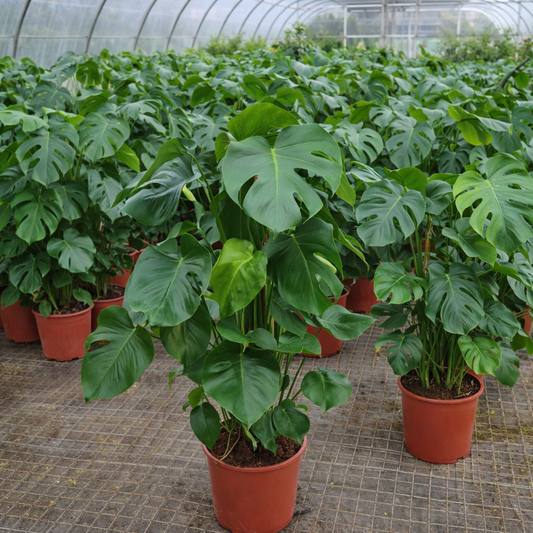
The Monstera deliciosa, commonly called the Swiss cheese plant, stands out for its striking, large leaves with natural holes. This unique leaf pattern results from fenestration, which helps the plant withstand heavy tropical rains and strong winds by reducing leaf resistance. Native to the tropical forests of Central America, Monstera thrives in humid, shaded environments, adapting well to indoor conditions. Its bold foliage adds a vibrant tropical atmosphere to interiors, making it a popular choice among plant enthusiasts and botanists alike.
The Beauty of Monstera Deliciosa
The Monstera deliciosa belongs to the Araceae family and exhibits a climbing growth habit supported by aerial roots. These roots allow it to anchor onto trees in its natural habitat, enabling access to filtered sunlight through the forest canopy. Besides its ornamental appeal, Monstera plays an ecological role by providing habitat and food for various insects and animals. The plant produces edible fruit that resembles a green ear of corn, which ripens into a sweet, tropical flavor. This species demonstrates fascinating morphological adaptations, such as leaf fenestrations that increase light capture and reduce wind damage.
Simple Care for Stunning Results
Cultivating Monstera indoors involves replicating its native tropical conditions. It prefers bright, indirect light, which prevents leaf scorching while promoting healthy growth. Watering should be moderate; allowing the topsoil to dry slightly prevents root rot. Additionally, maintaining high humidity and well-draining soil enriched with organic matter supports its development. Common soil mixes for Monstera often include peat, perlite, and bark to mimic the forest floor. Regularly cleaning the leaves helps optimize photosynthesis and reduces pest issues. With these care practices, the plant displays its characteristic large, glossy leaves and can grow vigorously.
Versatile and Decorative
The Swiss cheese plant suits various indoor settings, including living rooms, offices, and conservatories, due to its adaptable nature and aesthetic appeal. It complements diverse interior styles by introducing lush greenery and architectural interest. Beyond the common Monstera deliciosa, several species like Monstera obliqua and Monstera adansonii offer different leaf shapes and sizes, expanding the range of ornamental options. These plants contribute to indoor air quality by filtering pollutants and increasing humidity. Their presence supports well-being by creating a connection to nature within built environments.
Common features of Monstera plants include:
- Large, fenestrated leaves that enhance light exposure and airflow.
- Aerial roots that facilitate climbing and nutrient absorption.
- Adaptability to low-light indoor environments.
- Fruit production with edible qualities in mature specimens.
- Ecological interactions with pollinators and seed dispersers in native habitats.
Propagation and Sustainability
Propagation of Monstera typically occurs through stem cuttings, which root easily in water or moist soil. This method allows gardeners to multiply plants efficiently and maintain genetic consistency. Sustainable cultivation supports biodiversity by reducing wild harvesting pressures on natural populations. Moreover, growing Monstera indoors contributes to eco-friendly living by enhancing air quality and promoting green spaces in urban areas. Understanding its life cycle and environmental needs helps in conserving related tropical species and their habitats. Thus, Monstera not only enriches homes but also embodies sustainable gardening practices.