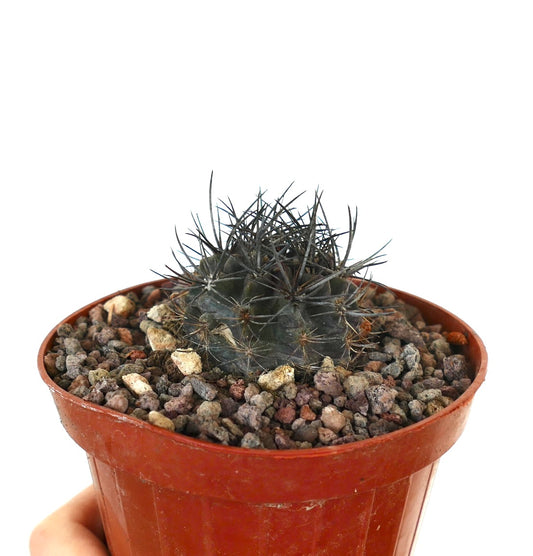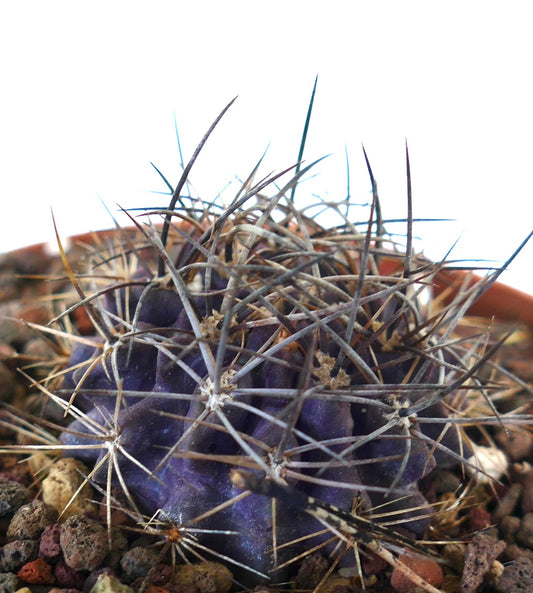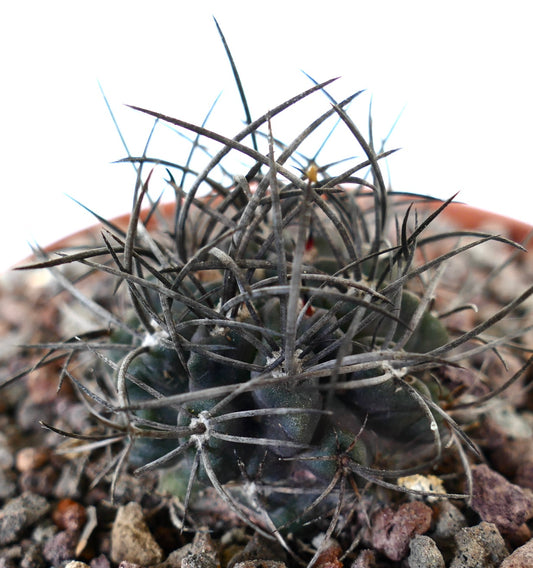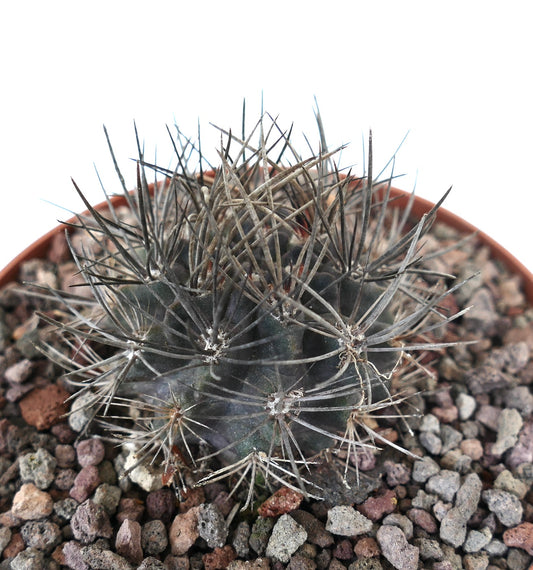
Neoporteria

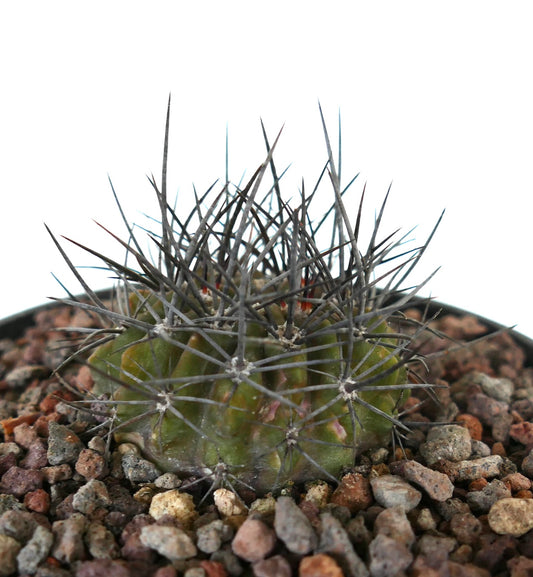
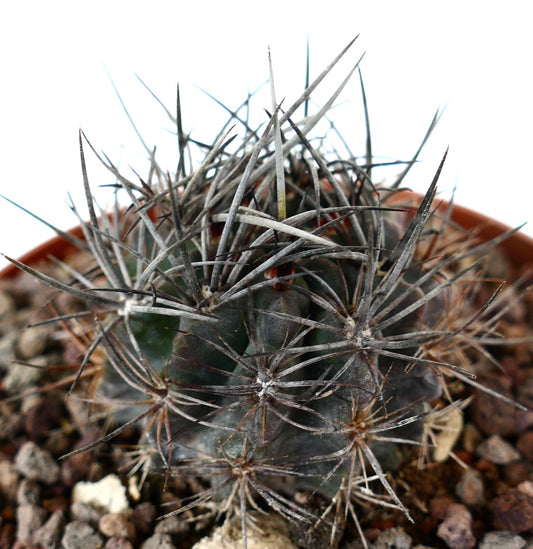
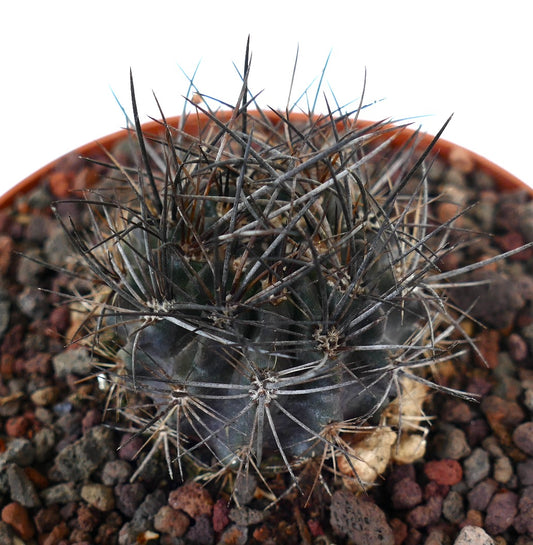
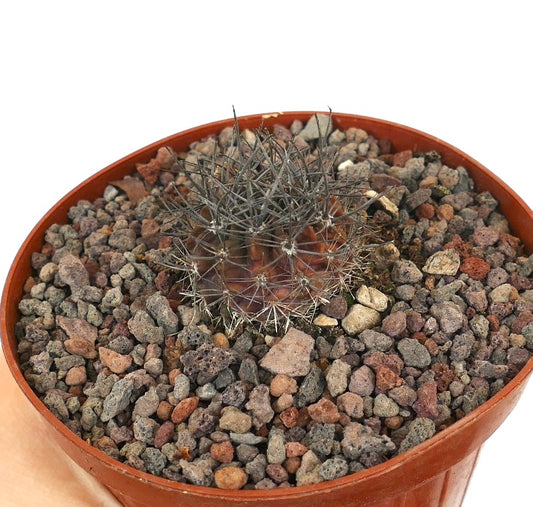
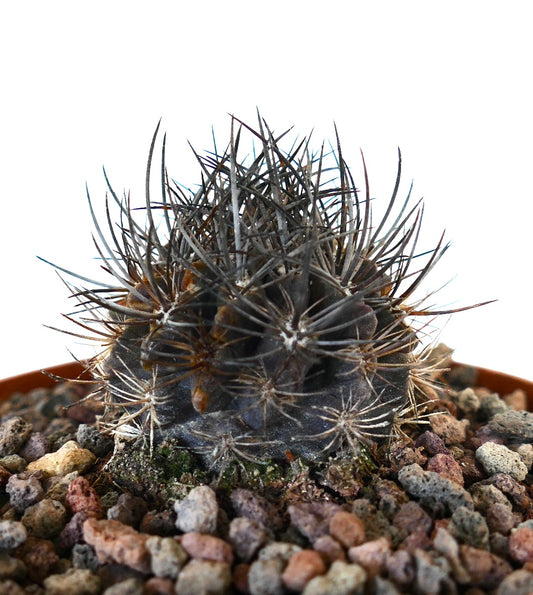
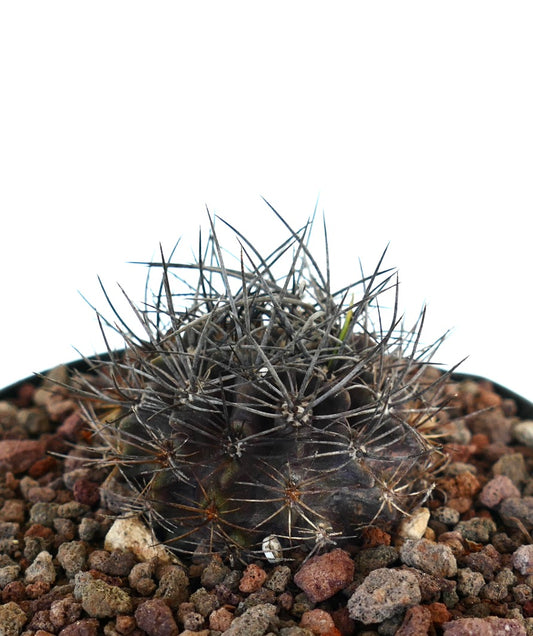
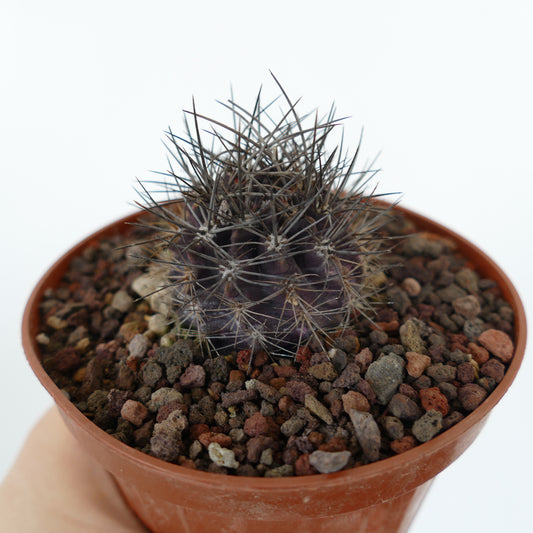
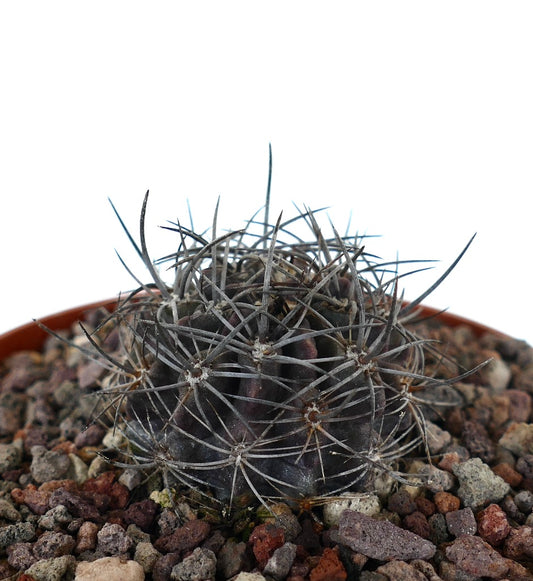
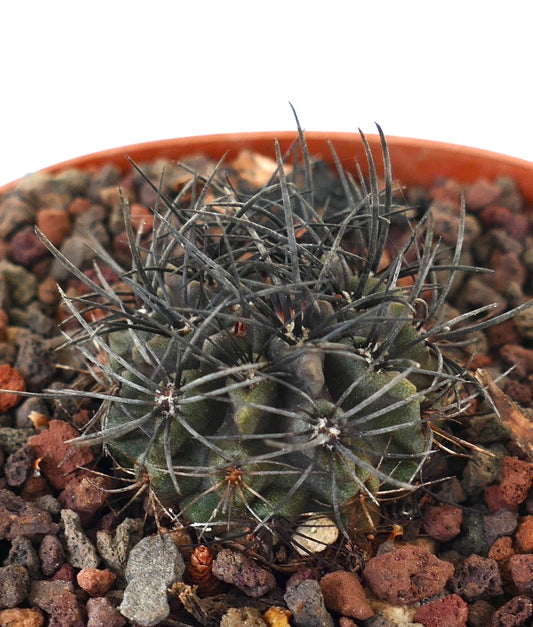
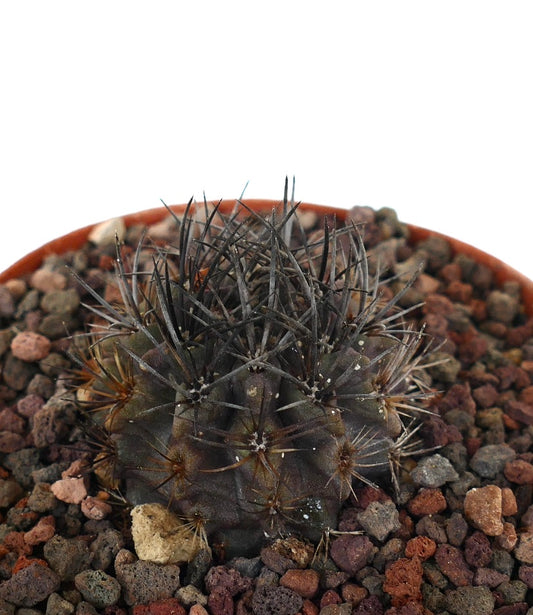
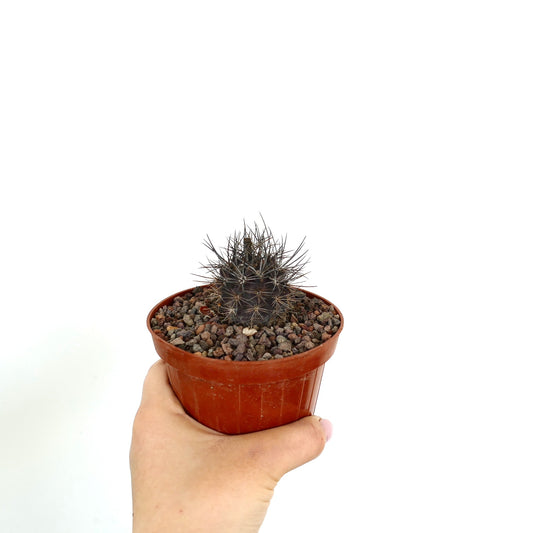
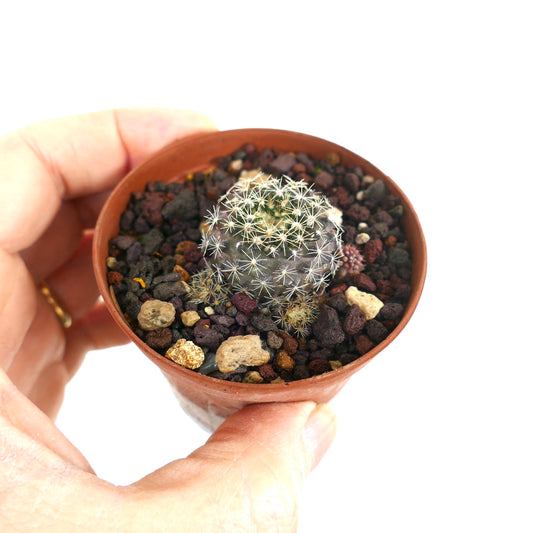
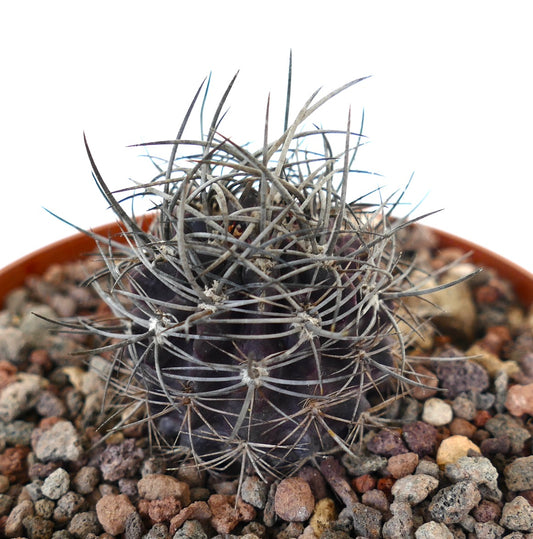
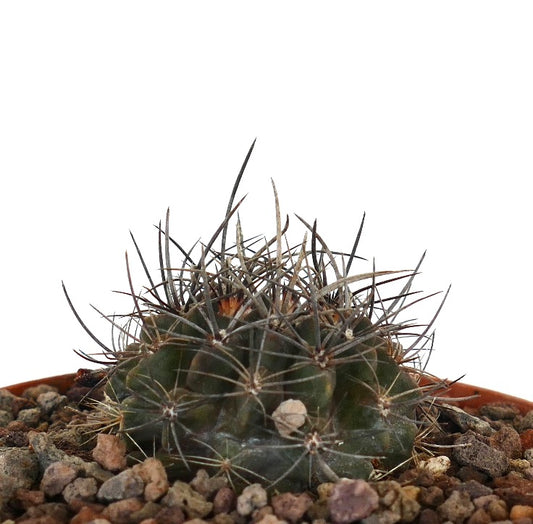
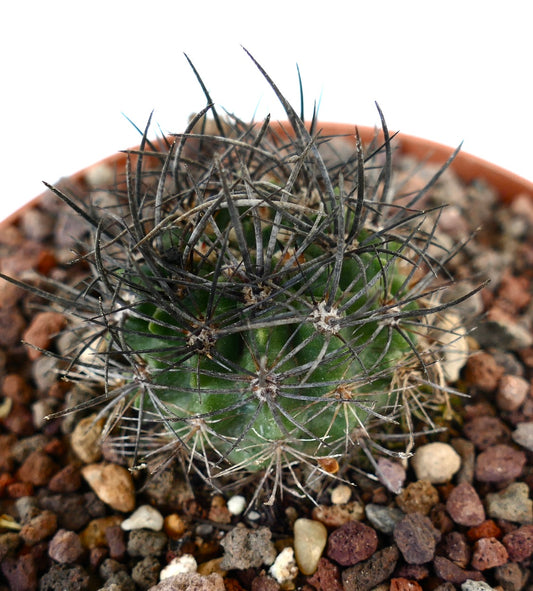
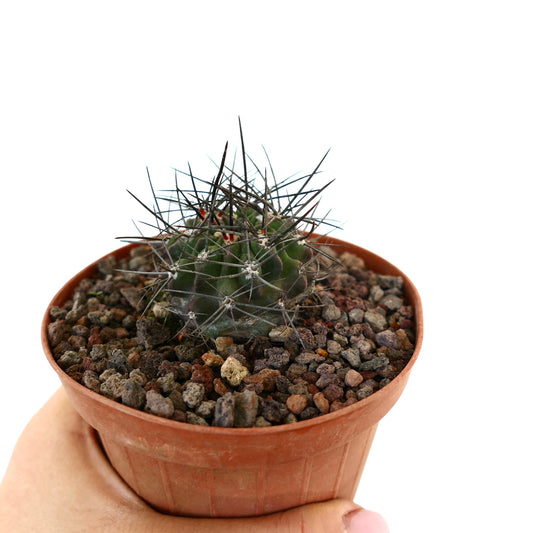
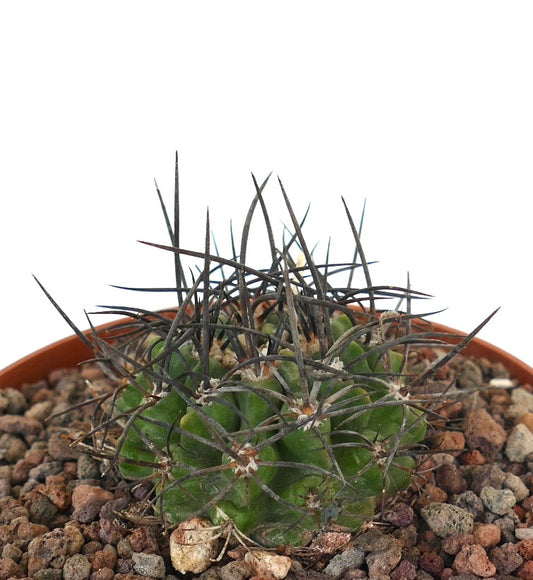
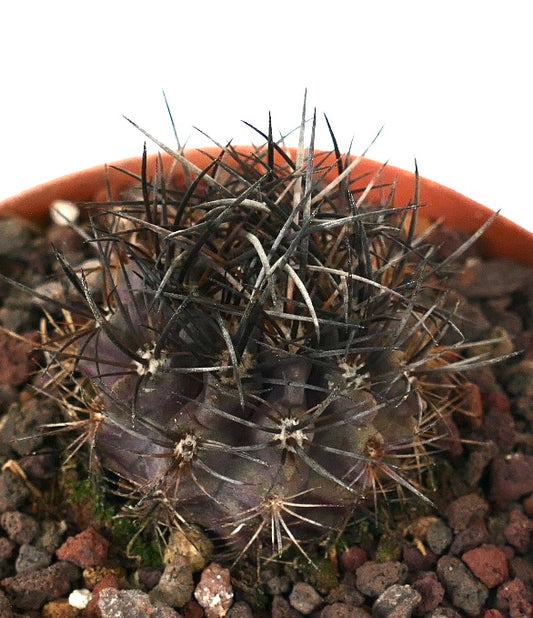
Explore our Neoporteria collection, featuring small, globular cacti celebrated for their distinctive spines and striking, funnel-shaped flowers. Native to Chile’s arid regions, Neoporteria species are known for their varied spine colors and unique, twisted shapes, adding visual interest to cactus collections. In spring and summer, these cacti produce stunning pink, red, or purple flowers, contrasting beautifully with their spiny exteriors. Thriving in bright, indirect light, well-draining soil, and minimal watering, Neoporteria is ideal for collectors, rock gardens, and adding exotic charm to arid displays.
Collection: Neoporteria

Neoporteria: The Unique and Exquisite Cactus Species

Neoporteria represents a remarkable genus of cacti native primarily to the arid regions of Chile. These plants exhibit vibrant blooms and distinct growth patterns that fascinate botanists and collectors alike. Adapted to harsh environments, Neoporteria species thrive in rocky soils and endure prolonged droughts, showcasing specialized morphological features such as thickened stems for water storage and spines that reduce transpiration. Their compact, globular to cylindrical forms minimize surface area exposed to intense sunlight, an adaptation crucial for survival in desert climates. Furthermore, their root systems spread shallowly but widely, allowing rapid absorption of scarce rainfall. These adaptations enable Neoporteria to persist where few other plants can.

Neoporteria Bicolor and Neoporteria Cactus

The Neoporteria bicolor is notable for its striking two-toned flowers, which attract specific pollinators like native bees and hummingbirds. This species, along with the more broadly recognized Neoporteria cactus, displays robust growth and remarkable adaptability, making them suitable for a range of microhabitats within Chilean deserts and mountainous areas. Both species contribute to their ecosystems by providing shelter and food for various insects and small animals. Their resilience allows them to survive in nutrient-poor soils and fluctuating temperatures, while their flowers bloom seasonally, playing a vital role in sustaining local pollinator populations. These cacti also participate in complex ecological interactions, supporting the balance of arid zone communities.

Neoporteria Chilensis and Neoporteria Clavata

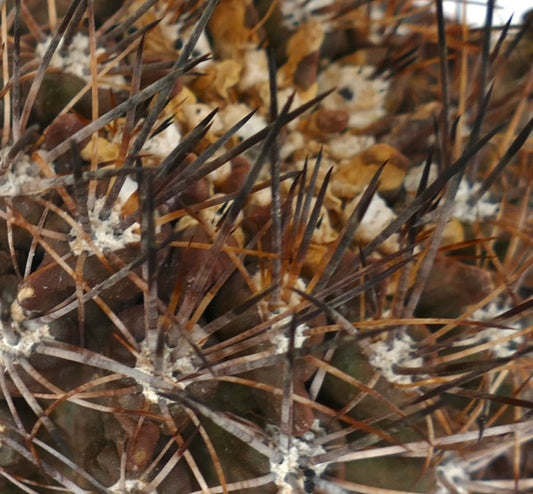
Among the genus, Neoporteria chilensis and Neoporteria clavata stand out for their intricate spine arrangements and delicate floral structures. These adaptations not only protect them from herbivores but also aid in shading the plant surface, minimizing water loss through transpiration. They typically inhabit coastal and mountainous zones, where climatic conditions vary from foggy to dry, and their presence supports local biodiversity by providing microhabitats for insects and small reptiles. Their flowers bloom seasonally, contributing to the pollination network within these ecosystems and ensuring genetic diversity. These species illustrate the evolutionary strategies that enable survival across diverse habitats.

Neoporteria Multicolor and Neoporteria Subgibbosa

The Neoporteria multicolor exhibits a remarkable range of flower colors, a trait that enhances its attraction to diverse pollinators and increases reproductive success. Meanwhile, Neoporteria subgibbosa is distinguished by its subtle yet elegant growth habit, often forming dense clusters that stabilize soil and prevent erosion in fragile desert landscapes. These species demonstrate ecological roles beyond their ornamental value, supporting soil health and serving as keystone species in their native habitats. By stabilizing substrates, they help reduce desertification and maintain ecosystem integrity. Additionally, their flowers provide nectar and pollen resources critical to native pollinators, linking plant reproduction with broader ecological processes.

In addition to these, other noteworthy species such as Neoporteria heinrichiana, Neoporteria laniceps, and Neoporteria villosa enrich the genus with their unique traits. Together, they form a diverse group that contributes significantly to the flora of South American deserts. Their study aids in understanding plant adaptation mechanisms and the evolutionary pathways of cacti. These species also offer insights into how flora can adapt to climate extremes, informing conservation strategies in arid regions facing environmental change.

Overall, the Neoporteria genus illustrates remarkable botanical diversity with specialized ecological functions. Its species demonstrate adaptations like water conservation, pollinator interactions, and habitat stabilization, making them important subjects for conservation and scientific research. Their presence enhances ecosystem resilience and biodiversity, highlighting their value beyond aesthetic appeal.

Key characteristics of Neoporteria include:

  • Adaptation to arid and rocky environments through morphological and physiological traits
  • Distinctive flower coloration and structure promoting diverse pollination strategies
  • Ecological roles in soil stabilization and supporting native fauna
  • Wide distribution mainly in Chilean deserts and mountainous regions
  • Variation in spine arrangement and growth forms across species