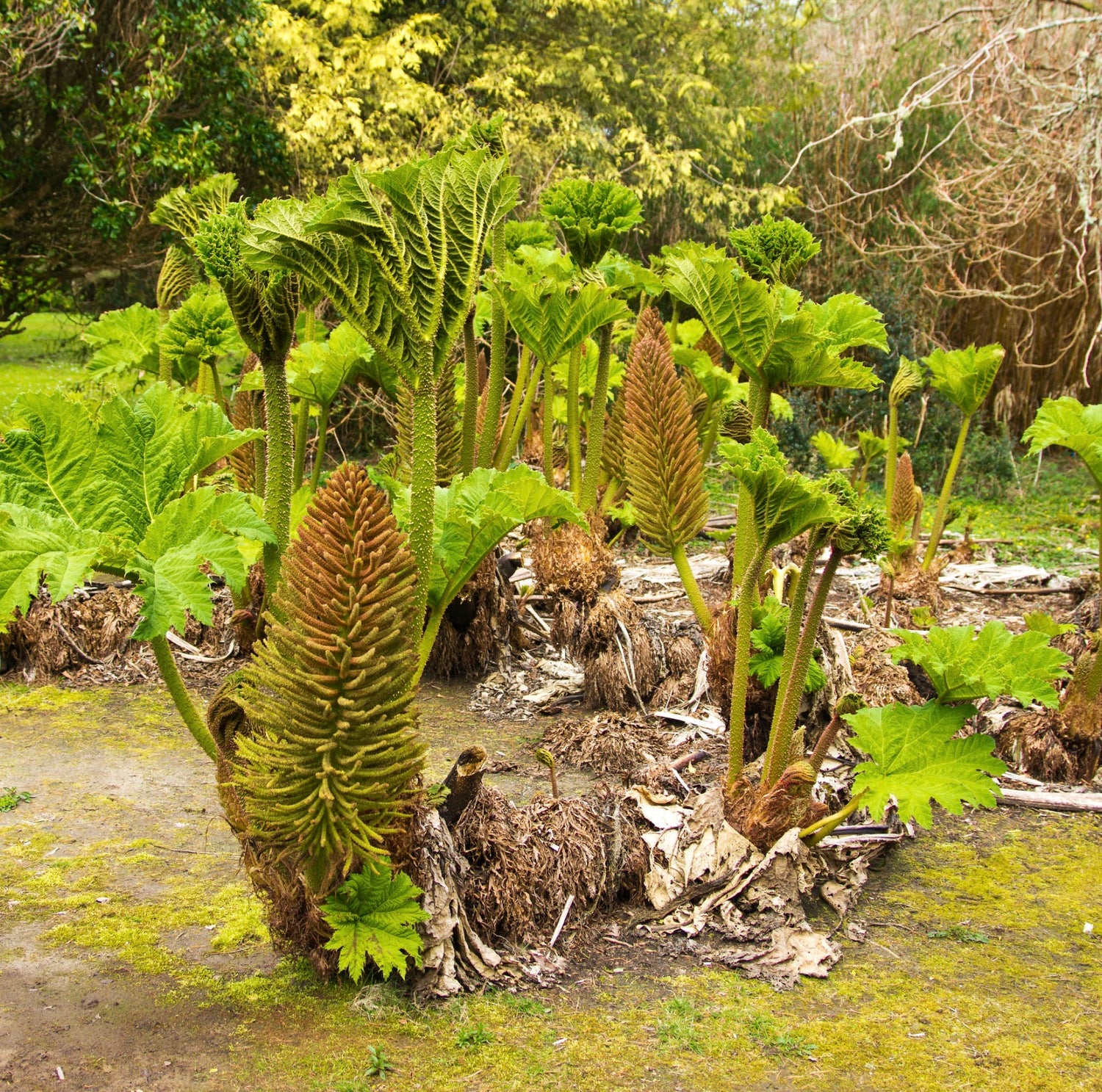
Bauhinia: The Orchid Tree
The Bauhinia genus encompasses a diverse group of flowering trees and shrubs celebrated for their distinctive, orchid-like blossoms. Commonly referred to as orchid trees, these plants captivate with vibrant, showy flowers that brighten both wild and cultivated landscapes. Native mainly to tropical and subtropical regions across Asia, Africa, and the Americas, Bauhinia species exhibit remarkable adaptability to various habitats, ranging from dry, rocky hillsides to humid, moist forests. Their unique bilobed leaves, which often resemble camel's feet, serve as a key identifying feature and contribute to their ecological adaptation by reducing water loss and maximizing photosynthesis efficiency.
Stunning Bauhinia Species
Several Bauhinia species stand out due to their ornamental appeal and significant ecological roles. For example, Bauhinia variegata, known as the purple orchid tree, produces large, fragrant pink to purple flowers that attract diverse pollinators such as bees, butterflies, and birds. The hybrid Bauhinia blakeana, or Hong Kong orchid tree, is renowned for its striking, deep pink, fragrant flowers and is widely cultivated in urban landscapes for its aesthetic value. Other notable species include Bauhinia purpurea, which thrives in warm tropical climates and features rich purple blooms; Bauhinia lunarioides, recognized for its delicate, rounded foliage; and the fragrant Bauhinia acuminata, distinguished by its white flowers. These species not only enhance biodiversity by providing nectar and habitat for various insects and birds but also contribute to soil stabilization and local microclimates.
Cultivation and Care
Successfully cultivating a Bauhinia plant involves understanding its soil and light preferences. These trees favor well-drained, fertile soils and typically flourish under full sun, although some species tolerate partial shade. Species such as Bauhinia tomentosa and Bauhinia monandra demonstrate adaptability across a broad range of climatic zones, from tropical lowlands to subtropical highlands. Additionally, Bauhinia bonsai varieties offer compact growth forms suitable for indoor cultivation or limited garden spaces, combining ornamental appeal with manageable size. Proper watering, avoiding waterlogging, and occasional pruning encourage healthy growth, abundant flowering, and maintain the plant’s shape.
In cultivation, consider these essential care points:
- Well-drained, fertile soil supports robust development and root health.
- Exposure to full sun encourages prolific flowering and vibrant colors.
- Regular pruning maintains shape, removes dead branches, and promotes vigor.
- Moderate watering prevents root rot while ensuring adequate moisture.
- Protection from frost is crucial in colder climates to prevent damage.
Unique Uses and Appeal
The genus Bauhinia holds notable ecological and medicinal importance. For instance, Bauhinia forficata, known as the Brazilian orchid tree, is traditionally used in herbal medicine and is studied for its potential effects in managing blood sugar levels. Meanwhile, Bauhinia galpinii serves as an effective landscaping shrub or hedge due to its dense growth habit and attractive flowers. Beyond their ornamental value, Bauhinia trees support local ecosystems by providing nectar for a variety of pollinators, including bees and butterflies, and by offering shelter and food for birds and small mammals. Their adaptability to different environments and diverse species make them vital components of both natural forests and urban green spaces, enhancing biodiversity, soil stability, and aesthetic quality.
In summary, Bauhinia species combine striking floral displays with important ecological functions, making them valuable plants in gardens, parks, and natural habitats worldwide.

 Sold out