
Diselma
-
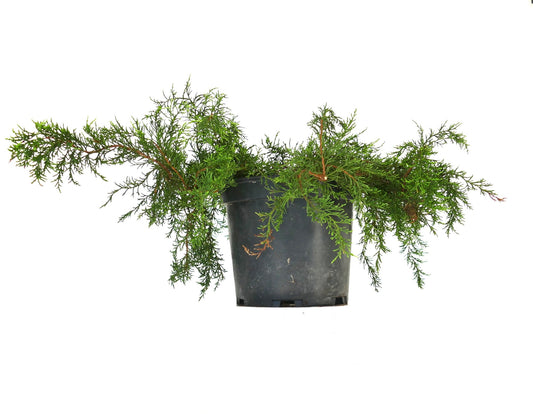
Diselma archeri
Regular price From €120,00 EURRegular price

Collection: Diselma
Discover the Rare Beauty of Diselma
What is Diselma?
Diselma, a unique and rare genus of conifer trees, is admired for its elegant, slow-growing nature. Native to Tasmania, this genus is monotypic, containing only Diselma archeri, which inhabits high-altitude alpine regions. The plant is notable for its fine-textured, scale-like leaves and compact form, which make it visually similar to certain Cupressaceae relatives. It typically forms dense, rounded shrubs or small trees, offering structural interest in cool-climate gardens.
Why Choose Diselma?
Ideal for landscaping or as an ornamental tree, Diselma thrives in cooler climates. Its dense evergreen foliage adds year-round greenery, while its sculptural shape makes it suitable for both formal and naturalistic planting designs. Gardeners value its resilience to wind and ability to blend into native or alpine-themed landscapes. In regions with cool, moist air, it can serve as a long-lived focal point or complement to other highland flora.

Caring for Diselma
Diselma care includes well-draining soil, regular watering, and occasional pruning. It is particularly well-suited to acidic, humus-rich substrates, often found in mountainous terrains. While relatively low-maintenance once established, young plants benefit from protection against excessive heat or drought. Its slow growth rate means shaping is rarely needed, but light pruning may help maintain symmetry and health.
Planting and Growing Diselma
Follow expert tips for growing Diselma, including proper propagation techniques. It is usually propagated by semi-hardwood cuttings or from seed, though germination may be slow and sporadic. Due to its cold-hardiness and compact form, it is especially prized in botanic collections and alpine gardens where few conifers can thrive. When sited correctly with good airflow and moisture retention, it rewards the grower with decades of lush, green form and quiet beauty.
Cultivation Tips
-
Soil: Use moist, acidic, and well-draining soil rich in organic matter.
-
Light: Prefers full sun to partial shade in cooler climates.
-
Watering: Keep the soil consistently moist, especially during establishment.
-
Climate: Best suited to cool, temperate regions; protect from extreme heat.
-
Pruning: Minimal—only to shape or remove damaged branches.
Other Collections in the Archive
-

Specimen Plants
Specimen Plants in our Store Specimen Plants captivate plant enthusiasts with their...
-
Catalogue Plants
Catalogue plants provide a wide variety of options to elevate your garden...
-

Gardening Tools & Soils
Gardening tools – essentials for healthy soils and thriving plants Building a...


