Rhododendron: The Stunning and Diverse Flowering Shrub Genus
The Rhododendron genus, belonging to the Ericaceae family, comprises both deciduous and evergreen shrubs celebrated for their vibrant flowers and lush foliage. These plants naturally occur across Asia, North America, and Europe, flourishing primarily in woodlands, mountainous regions, and temperate garden environments. Species such as Rhododendron simsii, Rhododendron ferrugineum, and Rhododendron catawbiense are notable for their widespread cultivation due to their ornamental appeal.
What is Rhododendron?
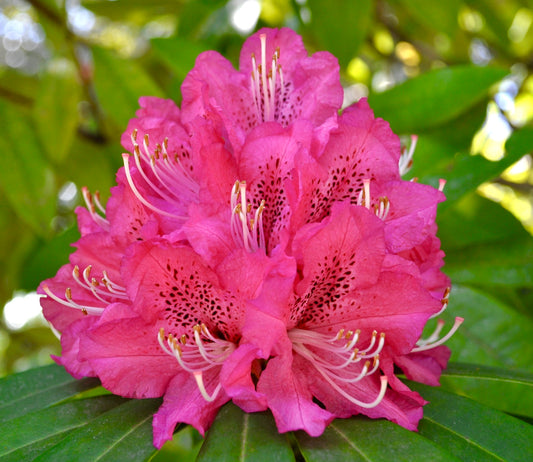
Rhododendron species exhibit a wide range of morphological adaptations that allow them to thrive in diverse habitats. Their leathery leaves reduce water loss, an advantage in both cool mountain climates and temperate forests. Many species produce large clusters of bell-shaped flowers that attract pollinators like bees and butterflies, playing a key role in their ecosystems. Ecologically, Rhododendron shrubs often contribute to forest understory diversity and provide shelter for various small animals. These plants typically prefer acidic, well-drained soils and often grow under the canopy of taller trees, benefiting from dappled sunlight.
How to Grow and Care for Rhododendron
Successful cultivation of Rhododendron depends on replicating their natural habitat conditions. They require acidic, well-drained soil rich in organic matter and benefit from consistent moisture without waterlogging. Partial shade mimics the filtered light of forest understories, which promotes healthy growth and vibrant flowering. Gardeners often apply mulching to conserve soil moisture and regulate temperature. Additionally, fertilization in early spring supports robust flower production. Pruning after blooming encourages compact growth and removes spent flowers, preventing seed formation and directing energy to new shoots.
Rhododendron in Landscaping and Gardens
Rhododendron species vary greatly in size and form, making them versatile in landscaping. They enhance garden borders, woodland landscapes, and ornamental plantings with their spectacular flowers and evergreen or deciduous foliage. Dwarf varieties suit container gardening and small garden spaces, whereas larger species provide excellent natural privacy screens due to their dense growth. Their ecological role in gardens includes supporting pollinators and contributing to biodiversity.
Commonly, gardeners appreciate these shrubs for their ability to thrive in acidic soils where other plants may struggle. Here are some key uses and characteristics:
- Adapted to acidic, well-drained soils with organic matter
- Support pollinator populations through abundant flowering
- Provide shelter and habitat for small wildlife
- Offer seasonal interest with flowers and foliage
- Suitable for diverse garden styles, from woodland to formal landscapes
Common Issues and Maintenance Tips
While generally resilient, Rhododendron can suffer from root rot and fungal diseases if grown in poorly drained soils. Ensuring good air circulation and avoiding overhead watering reduces fungal risks. Applying organic mulch helps maintain soil moisture and temperature, which supports root health. In colder climates, some species require winter protection to prevent frost damage, as their evergreen leaves can be vulnerable. Regular monitoring for pests and diseases improves plant health. Overall, attentive cultural practices maintain vigorous growth and flowering.