
Echinocereus
-
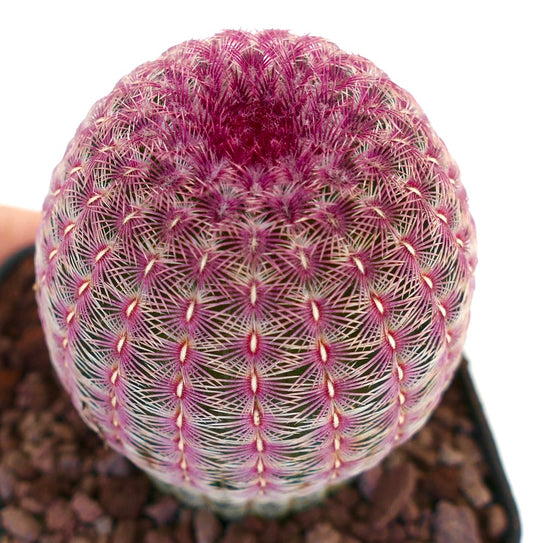
Echinocereus rigidissimus subs. rubispinus
Regular price From €5,00 EURRegular price -
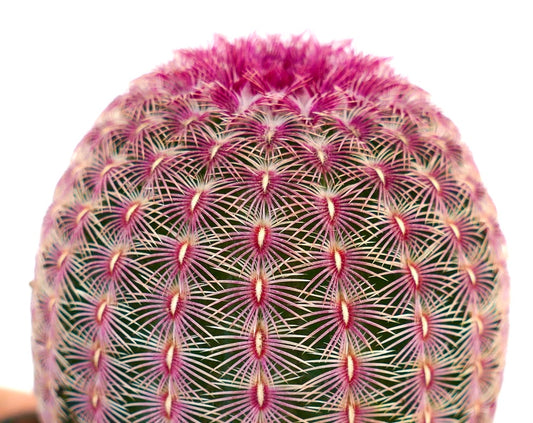
Echinocereus davisi
Regular price From €39,00 EURRegular price -
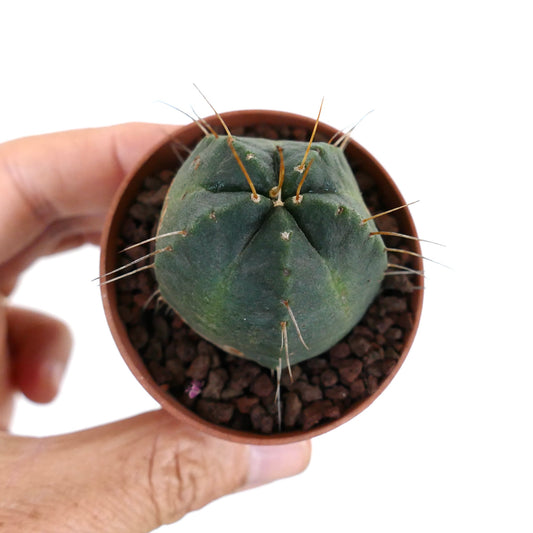
Echinocereus knipellianus 4,5cm
Regular price From €4,00 EURRegular price


Collection: Echinocereus
Explore the Beauty of Echinocereus Cacti
Echinocereus is a diverse genus of desert cacti celebrated for its vivid flowers and ability to endure harsh environments. These cacti mainly inhabit arid and semi-arid regions of North America, including the southwestern United States and northern Mexico. Species such as echinocereus triglochidiatus and echinocereus rigidissimus are notable for their colorful blooms and structural adaptations that help conserve water in dry habitats.
What is Echinocereus?
The genus Echinocereus consists of cylindrical or clumping cacti that often form dense clusters. Their stems are ribbed and covered with spines that protect the plant from herbivores and reduce water loss by shading the surface. These cacti produce large, funnel-shaped flowers in shades of pink, red, purple, or yellow, which typically bloom in spring or early summer. These flowers attract various pollinators such as bees and hummingbirds, playing an important ecological role in desert ecosystems.
Why Grow Echinocereus?
Echinocereus cacti are well suited for cultivation in both indoor and outdoor environments, especially in dry, sunny locations. Their ability to thrive in nutrient-poor, well-drained soils and tolerate prolonged drought makes them ideal for xeriscaping and rock gardens. Additionally, their striking floral displays and interesting stem forms add aesthetic value to collections. Gardeners appreciate their resilience and relatively low maintenance requirements compared to other succulents.
Caring for Echinocereus
To care for Echinocereus, provide a sunny position with direct light for several hours daily. Use well-draining soil, often a cactus mix with sand or perlite, to prevent root rot. Water sparingly during the growing season, allowing the soil to dry out between waterings, and reduce watering significantly in winter. These drought-tolerant plants have adapted to store water in their stems and survive long dry spells. They also require good air circulation to avoid fungal diseases.
Planting and Growing Echinocereus
Propagation typically occurs through seeds or offsets. Seeds require warm temperatures and light to germinate, while offsets can be separated and replanted once they develop roots. Regular inspection for pests such as mealybugs and spider mites helps maintain plant health. These fast-growing cacti benefit from occasional feeding with a diluted cactus fertilizer during the active growing season. Their growth rate varies by species but generally allows for noticeable development within a few years.
Common characteristics of Echinocereus include:
- Adaptation to desert and rocky habitats with drought resistance
- Spiny, ribbed stems that minimize water loss
- Bright, large flowers that attract pollinators
- Ability to form dense clumps for protection and reproduction
- Ecological role as food and shelter for desert fauna

Other Collections in the Archive
-

Specimen Plants
Specimen Plants in our Store Specimen Plants captivate plant enthusiasts with their...
-
Catalogue Plants
Catalogue plants provide a wide variety of options to elevate your garden...
-

Gardening Tools & Soils
Gardening tools – essentials for healthy soils and thriving plants Building a...


