Schinus: The Hardy and Aromatic Genus of Pepper Trees
The Schinus genus comprises evergreen trees and shrubs notable for their aromatic foliage and ornamental value. These plants, often called pepper trees, resemble true pepper plants but belong to a distinct botanical family, Anacardiaceae. Adapted to drought-prone environments, Schinus species exhibit remarkable resilience and versatility in various landscapes.
Understanding the Schinus Genus
Native primarily to South America, Schinus species thrive in warm, dry climates ranging from Argentina to Brazil and Peru. Their evergreen leaves emit a characteristic scent due to volatile oils, which serve ecological roles such as deterring herbivores and attracting pollinators. These plants often inhabit rocky slopes, riverbanks, and disturbed sites, showcasing adaptations like deep root systems to access water and leathery leaves to minimize moisture loss.
Key Features of Schinus Trees
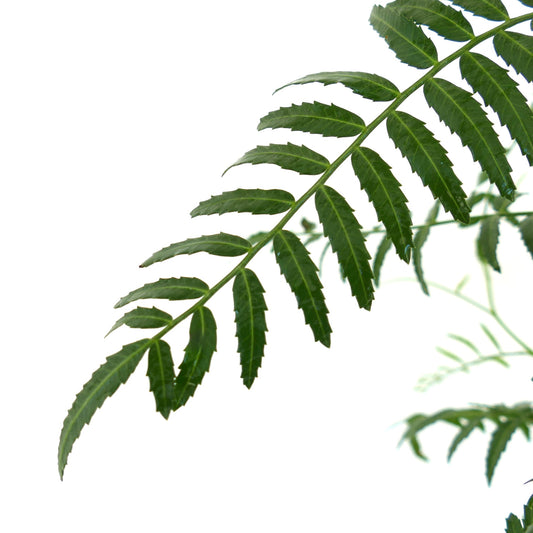
Among the genus, Schinus molle (Peruvian pepper tree) and Schinus terebinthifolius (Brazilian pepper tree) are prominent. They display feathery, pinnate leaves and produce clusters of small pink to red berries that attract birds, aiding seed dispersal. The trees’ adaptability to warm climates and tolerance to poor soils make them valuable for ecological restoration and ornamental use. Furthermore, their rapid growth and dense canopy provide effective windbreaks and shade.
In addition to these traits,
- their bark contains compounds with antimicrobial properties,
- they engage in mutualistic relationships with local fauna, and
- their berries serve as food sources for various bird species, enhancing biodiversity.
Growing and Caring for Schinus Trees
Schinus trees prefer well-drained soils and full sun exposure. Once established, they require minimal watering, reflecting their drought tolerance. Their fast growth and resilience to urban pollution make them suitable for city landscapes and dry gardens. However, their vigorous spreading can lead to invasiveness outside native ranges, necessitating management to prevent ecological imbalance. Regular pruning helps maintain shape and prevents excessive seed dispersal.
Uses and Benefits of Schinus Trees
The berries of Schinus species have historically served as a spice substitute, often called pink peppercorns, though they differ chemically from true pepper. Their essential oils possess antiseptic and anti-inflammatory properties, contributing to traditional medicine and perfumery. Additionally, the strong, flexible wood is used in crafting tools and small construction projects. Ecologically, Schinus trees improve soil stability and provide habitat for wildlife, highlighting their multifaceted importance in both natural and human contexts.