Brunfelsia: the “yesterday today tomorrow” tropical flowering shrub
A shrub of shifting colors and tropical charm
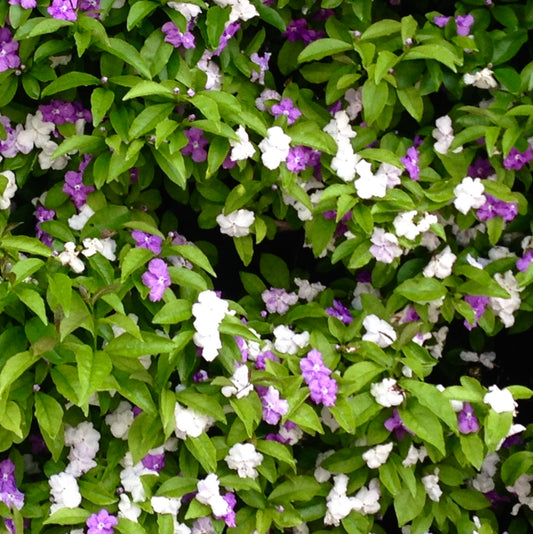
Brunfelsia is a genus of tropical flowering shrubs renowned for its unique floral color changes. Species such as Brunfelsia pauciflora, Brunfelsia grandiflora, and Brunfelsia americana exemplify this trait by producing flowers that shift from violet to lavender and finally to white within a few days. This remarkable color transition, which inspired the nickname yesterday today tomorrow plant, fascinates botanists and gardeners alike. These shrubs belong to the family Solanaceae and are prized as ornamental garden plants due to their vibrant and fragrant blooms. Additionally, Brunfelsia species contribute to the diversity of rare tropical plants found in various ecosystems.
Habitat and cultivation
Native to tropical and subtropical regions of the Americas, Brunfelsia species grow naturally in diverse habitats such as rainforests, woodlands, and mountainous areas. These environments are typically rich in organic matter, and the plants have adapted to thrive in semi-shaded locations where dappled light filters through taller vegetation. This natural preference for filtered sunlight makes them suitable for cultivation under similar conditions in both outdoor and indoor settings.
They do best in slightly acidic, well-draining soil enriched with decomposed organic materials such as leaf litter or compost. Maintaining consistent moisture is crucial, especially during the active growing season, yet good drainage remains essential to avoid root rot. During dormancy, moisture needs decrease, but the substrate should never be allowed to completely dry out.
In cultivation, these shrubs respond positively to light pruning, which helps encourage bushy growth, enhances airflow around the foliage, and supports overall plant health. Removing older, woody stems allows new shoots to emerge, which often results in more abundant flowering. The blossoms themselves often undergo a striking color change over a few days, transitioning from deep violet to pale lavender and finally white—a process that gives rise to the nickname “Yesterday-Today-and-Tomorrow.”
In addition to their visual interest, the flowers serve an important ecological function, acting as nectar sources for bees, butterflies, and other pollinators. This makes them beneficial additions to biodiversity-focused garden designs. In warmer climates, they may be grown outdoors year-round, while in temperate regions, they are frequently cultivated in containers and overwintered indoors.
For best results, incorporate the following into your care routine:
-
Provide filtered light or partial shade
-
Use well-drained, humus-rich, slightly acidic soil
-
Maintain even soil moisture without saturation
-
Prune periodically to encourage new growth and floral density
-
Monitor for pests like aphids and scale, which may be attracted to young shoots or flower buds
With attention to these conditions, these shrubs adapt well to a variety of horticultural settings, offering long-lasting foliage and floral interest while contributing to the ecological health of garden environments.
Propagation and seasonal flowering
Propagation of Brunfelsia typically occurs through seeds or semi-hardwood cuttings, allowing enthusiasts to expand their collections of fragrant Brunfelsia shrubs. The species exhibit a flowering season that usually begins in spring and continues through summer, featuring successive waves of blossoms. These fragrant flowers not only add aesthetic value but also play a role in local ecosystems by supporting pollinator populations. Effective pruning and consistent watering schedules promote extended blooming periods and vigorous growth. Consequently, Brunfelsia remains a popular choice for ornamental tropical gardens that aim to combine beauty with ecological function.
Botanical Archive’s insight into Brunfelsia
At Botanical Archive, we study the distinctive characteristics of Brunfelsia species, emphasizing their botanical, ecological, and horticultural significance. We provide detailed guidance on Brunfelsia pruning and propagation techniques, alongside information about the plant’s natural habitat and potential medicinal uses. Historically, certain Brunfelsia species have been used in traditional medicine for their anti-inflammatory and analgesic properties, although scientific validation is ongoing. For plant enthusiasts and exotic plant collectors, Brunfelsia offers a combination of beauty, fragrance, and a connection to tropical biodiversity. To summarize,
- Brunfelsia plants adapt to tropical understory environments with filtered light and moist soils.
- Their flowers change color over several days, attracting diverse pollinators.
- Propagation is achievable via seeds or cuttings, facilitating wider cultivation.
- Proper care includes pruning, watering, and nutrient management to sustain blooms.
- They hold ecological importance and possess traditional medicinal interest.